Introduction: From Meme to Mainstream
In the serious, often intimidating world of cryptocurrency, Dogecoin stands out as a delightful anomaly—a digital currency born from internet humor that evolved into a global financial phenomenon with real-world utility and passionate community support. Created in December 2013 by software engineers Billy Markus and Jackson Palmer as a lighthearted parody of Bitcoin’s growing hype, Dogecoin was never intended to be taken seriously. Yet, its infectious community spirit, accessible branding (featuring the iconic Shiba Inu dog), and technical advantages have propelled it far beyond meme status into legitimate financial infrastructure.
Dogecoin mining—the process of validating transactions and securing the Dogecoin network—shares fundamental principles with Bitcoin mining but differs significantly in technical implementation, economic incentives, and community ethos. While Bitcoin mining has become dominated by industrial-scale operations with specialized hardware, Dogecoin mining maintains a more accessible, community-oriented approach that reflects its origins. This article explores the technical foundations of Dogecoin mining, the evolution of Doge Miner software, the economic ecosystem supporting the network, and how this “joke coin” developed robust security and real-world applications.
Technical Foundations: Scrypt vs. SHA-256
The most fundamental technical distinction between Dogecoin and Bitcoin lies in their cryptographic hash functions. While Bitcoin uses the SHA-256 algorithm, Dogecoin employs Scrypt—a memory-hard function originally designed for the Litecoin project. This seemingly small difference has profound implications for mining accessibility, hardware requirements, and network security.
Scrypt was specifically engineered to be “memory-hard,” meaning it requires substantial amounts of RAM to compute efficiently. This design choice deliberately disadvantages Application-Specific Integrated Circuits (ASICs) in their early development stages, as ASICs excel at computational tasks but struggle with memory-intensive operations. By using Scrypt, Dogecoin’s creators aimed to promote CPU and GPU mining, making participation more accessible to individual enthusiasts rather than concentrating power among those who could afford expensive, specialized hardware.
However, the mining landscape has evolved. Today, Scrypt ASICs do exist and dominate Dogecoin mining, much like SHA-256 ASICs dominate Bitcoin. But the historical emphasis on memory-hard algorithms created a different mining culture—one that valued community participation over raw computational power. The Scrypt algorithm also enables faster block times (1 minute for Dogecoin versus Bitcoin’s 10 minutes), facilitating quicker transaction confirmations and enhancing usability for everyday payments.
Dogecoin’s difficulty adjustment algorithm operates differently from Bitcoin’s. While Bitcoin adjusts difficulty every 2016 blocks (approximately every two weeks), Dogecoin implements a more responsive “Dark Gravity Wave” (DGW) algorithm that adjusts difficulty after every single block. This prevents the massive difficulty spikes and drops that plagued early Scrypt-based coins when miners migrated between networks seeking better profitability. The DGW algorithm ensures consistent block times regardless of hash rate fluctuations, contributing to Dogecoin’s reliability as a payment network.
The Mining Process: From Transactions to Blocks
Dogecoin mining follows the same fundamental consensus mechanism as Bitcoin—proof-of-work—but with distinct parameters and community practices. Let’s examine the step-by-step process:
Step 1: Transaction Collection and Validation Like other cryptocurrencies, Dogecoin miners collect pending transactions from the mempool. However, Dogecoin’s community ethos emphasizes low-fee, high-throughput transactions, making it particularly suitable for microtransactions and tipping. Miners validate each transaction against Dogecoin’s consensus rules, checking digital signatures, preventing double-spending, and verifying inputs haven’t been spent previously.
Step 2: Block Construction Valid transactions are organized into candidate blocks. Each Dogecoin block contains a header (with metadata including timestamp, previous block hash, and Merkle root), the transaction list, and the coinbase transaction (miner’s reward). Dogecoin’s block size is not artificially limited like Bitcoin’s, allowing for greater transaction capacity during periods of high demand.
Step 3: The Mining Race with Scrypt Miners take the block data and repeatedly apply the Scrypt hash function with different nonces until they find a solution that meets the current difficulty target. Due to Scrypt’s memory-hard nature, this process requires significant RAM bandwidth in addition to computational power, creating different hardware optimization challenges than Bitcoin mining.
Step 4: Network Verification and Consensus When a miner finds a valid solution, it broadcasts the block to the network. Other nodes independently verify the solution, check transaction validity, and confirm proper formatting. Once verified, nodes accept the block and add it to their copy of the Dogecoin blockchain.
Step 5: Reward Distribution The successful miner receives Dogecoin rewards consisting of newly minted DOGE and transaction fees. Unlike Bitcoin’s deflationary model with a fixed supply cap, Dogecoin features an inflationary monetary policy with a fixed annual supply increase of 5 billion DOGE per year. This creates predictable, sustainable miner incentives without the halving events that characterize Bitcoin’s economic model.
Doge Miner: From Simple Software to Sophisticated Ecosystem
The term “Doge Miner” refers to both the general concept of mining Dogecoin and specific software applications that enable individuals to participate in the network. The evolution of Doge Miner software reflects Dogecoin’s journey from meme to serious infrastructure.
Early Days: CPU and GPU Mining Software In Dogecoin’s infancy, mining was accessible through standard CPU and GPU mining software like CGMiner and EasyMiner. These open-source applications provided graphical interfaces that made mining approachable for non-technical users. The simplicity of these early tools aligned perfectly with Dogecoin’s community-first philosophy—anyone with a reasonably powerful computer could contribute to network security and earn rewards.
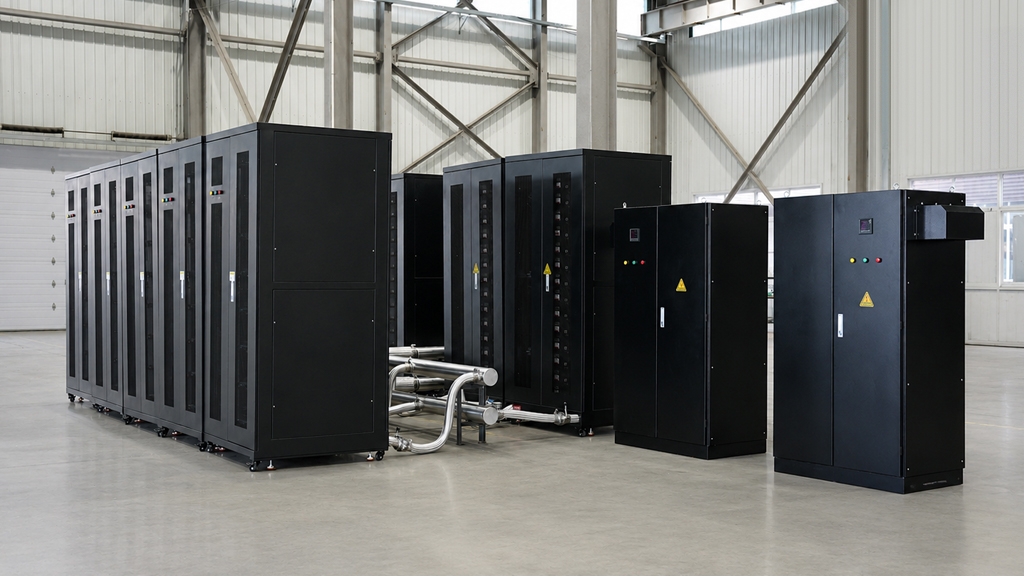
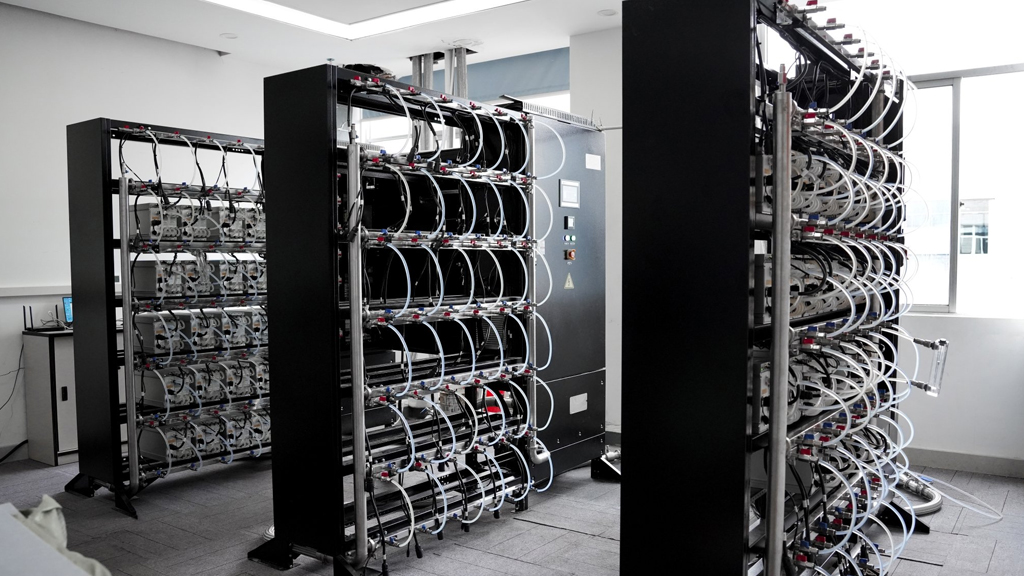
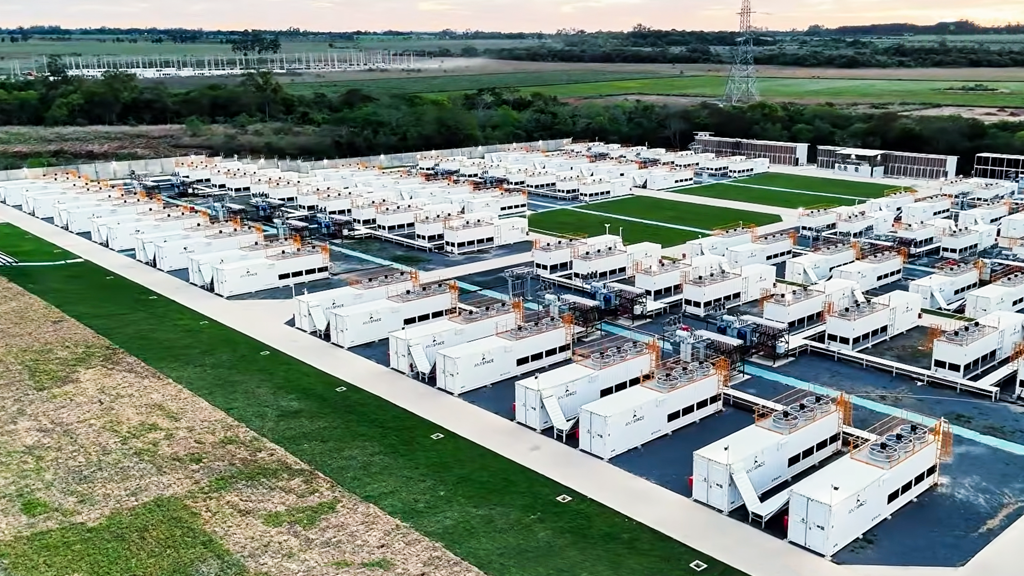
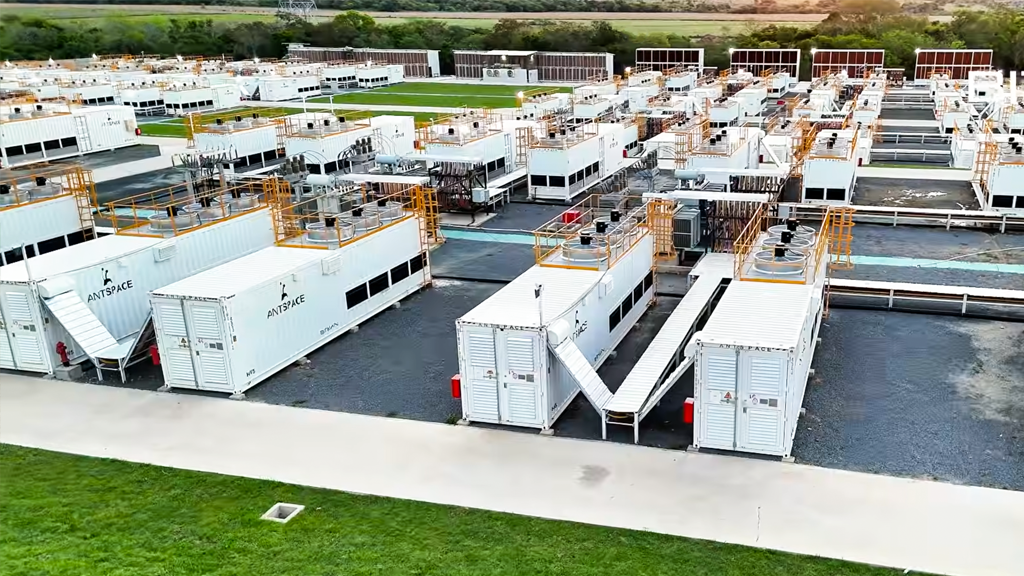
The Rise of Scrypt ASICs and Specialized Software As mining became more competitive, specialized hardware emerged. Companies like Bitmain (Antminer L3+) and Innosilicon developed Scrypt ASICs optimized for Dogecoin mining. This hardware required compatible mining software that could communicate efficiently with the specialized chips. Developers created optimized versions of existing mining software and new applications specifically designed for Scrypt ASICs, featuring advanced monitoring, remote management, and energy efficiency optimizations.
Modern Doge Miner Ecosystem Today’s Doge Miner ecosystem includes several categories of software:
- Full Node Clients: Dogecoin Core, the official wallet and node software, includes built-in mining capabilities for CPU mining (though not economically viable for production)
- ASIC Firmware and Management Tools: Proprietary software provided by hardware manufacturers for configuring, monitoring, and optimizing ASIC performance
- Mining Pool Software: Applications that connect individual miners to mining pools, managing work distribution and reward calculations
- Cloud Mining Platforms: Services that allow users to purchase hash power without owning physical hardware
- Mobile Mining Applications: Experimental apps that demonstrate mining concepts on mobile devices (though not practically viable)
The Dogecoin community has maintained strong open-source development practices, with regular updates to core software and active maintenance of mining tools. This collaborative development model has been crucial to Dogecoin’s longevity and resilience.
Mining Pools and Community Economics
Dogecoin mining pools operate similarly to Bitcoin pools but reflect the coin’s unique economic model and community values. With Dogecoin’s fixed annual supply increase of 5 billion coins, miner rewards remain stable regardless of price fluctuations, creating different economic incentives than Bitcoin’s halving-driven cycles.
Popular Dogecoin mining pools include Multipool, Aikapool, and ProHashing, each offering different fee structures, payout methods, and user interfaces. The community has developed sophisticated pool reward systems that balance fairness with operational sustainability, including Pay-Per-Share (PPS), Proportional, and Pay-Per-Last-N-Shares (PPLNS) models.
What distinguishes Dogecoin mining economics is its emphasis on utility rather than pure speculation. The fixed inflation rate ensures consistent network security funding, while the low transaction fees and fast confirmation times make Dogecoin practical for real-world use cases—from online tipping and charitable donations to e-commerce payments and remittances. This utility-driven approach has attracted businesses and developers who value Dogecoin’s technical advantages for specific applications.
Environmental Considerations and Sustainable Mining
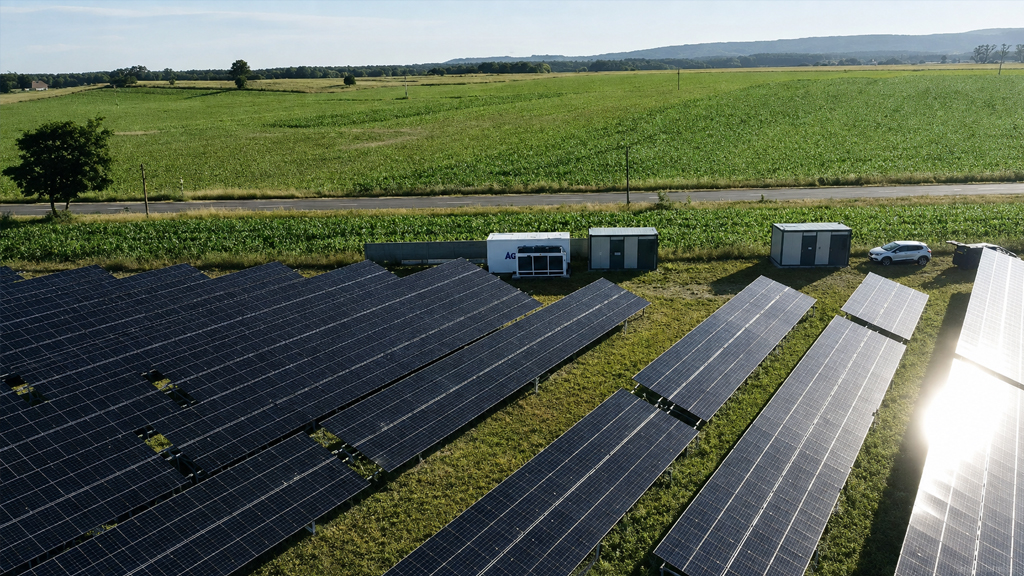
While Dogecoin mining consumes electricity like all proof-of-work cryptocurrencies, its environmental impact differs from Bitcoin’s in several important ways. First, Dogecoin’s Scrypt algorithm, while memory-intensive, generally requires less total energy consumption than Bitcoin’s SHA-256 at equivalent hash rates. Second, Dogecoin’s community has actively promoted sustainable mining practices, with many operations located near renewable energy sources.
The Dogecoin Foundation, re-established in 2021, has emphasized environmental responsibility as part of its mission. Community initiatives have supported carbon offset programs and encouraged mining operations to adopt renewable energy sources. Unlike Bitcoin’s concentration in regions with cheap coal-powered electricity, Dogecoin mining has a more geographically diverse distribution, with significant operations in North America, Europe, and Asia utilizing various energy mixes.
Security Architecture and Attack Resistance
Dogecoin’s security model benefits from its technical similarities to Litecoin (which shares the Scrypt algorithm) and its large, active community. The network has demonstrated remarkable resilience over more than a decade, surviving numerous market cycles, technical challenges, and attempted attacks.
The primary security concern for any proof-of-work cryptocurrency is the 51% attack—where a single entity controls more than half the network’s hash rate. While theoretically possible, executing such an attack on Dogecoin would require enormous capital investment with minimal practical benefit. Unlike Bitcoin, where attackers might target high-value transactions, Dogecoin’s lower individual transaction values and community-focused use cases reduce the potential payoff for malicious actors.
Dogecoin’s rapid block times (1 minute) provide additional security benefits. Shorter confirmation times mean that even if an attacker attempted a double-spend, they would need to control the majority of hash rate for multiple consecutive blocks to succeed—a significantly more difficult proposition than with longer block times.
Real-World Applications and Community Impact
Beyond technical specifications, Dogecoin’s true significance lies in its real-world impact and community-driven applications. The Dogecoin community has funded numerous charitable initiatives, from providing clean water to developing nations to supporting Olympic athletes and disaster relief efforts. This philanthropic tradition demonstrates how cryptocurrency can serve humanitarian purposes beyond financial speculation.
Business adoption has grown steadily, with companies like Newegg, Shopify merchants, and various online services accepting Dogecoin payments. The integration of Dogecoin into major payment processors and the development of Lightning Network-compatible solutions promise to enhance scalability and reduce transaction costs further.
The Dogecoin community’s inclusive, welcoming ethos has attracted millions of participants worldwide. Unlike some cryptocurrency communities characterized by technical elitism, Dogecoin emphasizes fun, accessibility, and community building. This positive culture has been instrumental in Dogecoin’s mainstream recognition and adoption.
Technological Evolution and Future Roadmap
Looking ahead, Dogecoin mining faces several evolutionary pressures and opportunities. The Dogecoin Foundation and core developers continue to improve the protocol through regular updates, focusing on scalability, security enhancements, and developer tooling improvements.
Key areas of development include:
- Layer 2 Solutions: Exploring second-layer protocols to enhance transaction throughput and reduce fees
- Smart Contract Integration: Investigating compatibility with Ethereum Virtual Machine (EVM) to expand DeFi applications
- Cross-Chain Interoperability: Developing bridges to other blockchain ecosystems for enhanced utility
- Hardware Innovation: Continued development of more energy-efficient Scrypt ASICs and mining infrastructure
- Regulatory Engagement: Working with policymakers to establish clear frameworks for cryptocurrency mining and usage
The Dogecoin community’s adaptability and commitment to its founding principles suggest continued evolution while maintaining its unique identity.
Conclusion: More Than Just a Meme
Dogecoin mining represents a fascinating case study in how technology, economics, and community can converge to create something unexpectedly profound. What began as an internet joke has evolved into a robust, secure, and widely adopted cryptocurrency with real-world utility and social impact.
The technical distinctions—Scrypt algorithm, 1-minute block times, fixed annual supply, and responsive difficulty adjustment—create a different mining experience than Bitcoin, emphasizing accessibility, speed, and community participation. Doge Miner software has evolved from simple CPU applications to sophisticated ecosystem tools that support both individual enthusiasts and industrial-scale operations.
More importantly, Dogecoin demonstrates that cryptocurrency doesn’t have to be serious to be significant. Its lighthearted origins and community-first approach have created a financial system that prioritizes human connection alongside technological innovation. As we navigate an increasingly digital future, Dogecoin mining stands as a testament to the power of collective action, technical ingenuity, and the enduring appeal of doing good while having fun.
The Doge Miner continues to work—not just processing transactions, but building bridges between communities, supporting charitable causes, and proving that sometimes, the most impactful technologies begin with a smile and a Shiba Inu.
 Bitmain Antminer
 IceRiver
 Whatsminer
 Canaan Avalon
 Goldshell
 Solo Miner
 Elphapex
 Volcminer
 Jasminer
 Pinecone
 Bitcoin
 Dogecoin
 Aleo
Aleo
 Kaspa
Kaspa
 ALPH
ALPH
 Nexa
Nexa
 ETC
ETC
 CKB
CKB
 Dash
Dash
 Kadena