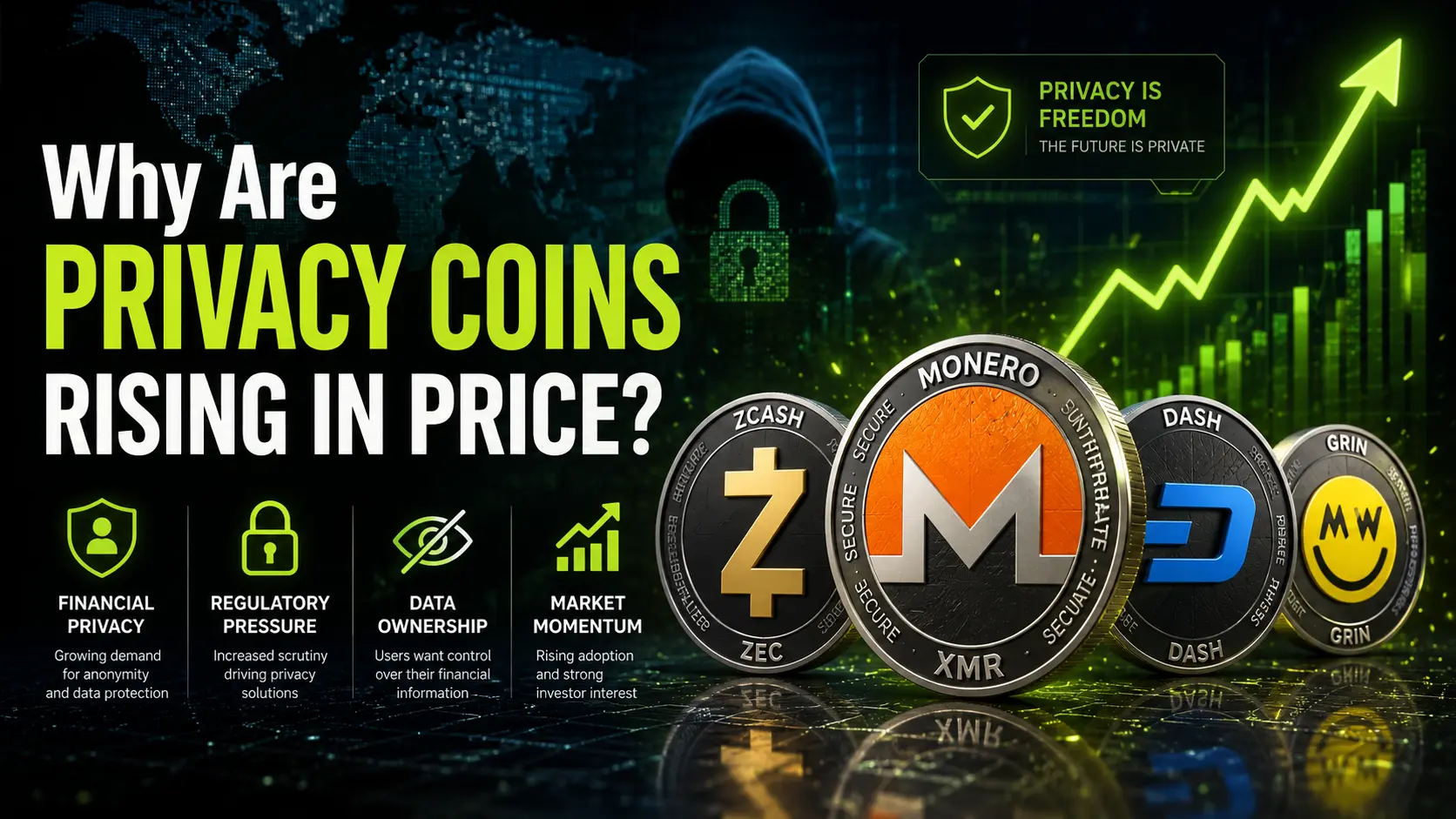
Privacy has re-emerged as one of the most discussed themes in the cryptocurrency industry throughout 2026. After several years during which investors focused primarily on Layer-2 scaling, artificial intelligence tokens, Real World Assets (RWAs), and Bitcoin ETFs, market attention has gradually expanded toward blockchain technologies that prioritize financial confidentiality and user sovereignty.
Among the projects benefiting from this renewed interest, Zcash (ZEC) has attracted increasing attention from both miners and long-term investors. Unlike many speculative narratives that dominate crypto cycles, Zcash represents a mature blockchain with years of production history, peer-reviewed cryptography, and continuous protocol development.
The renewed interest in privacy-focused assets is not simply the result of short-term speculation. Instead, it reflects broader structural trends affecting the entire digital asset ecosystem, including:
- Growing concerns over financial privacy.
- Increasing adoption of zero-knowledge proof (ZKP) technology.
- Institutional interest in blockchain infrastructure.
- Rising demand for efficient Proof-of-Work networks.
- Greater awareness of blockchain transparency and on-chain surveillance.
Although regulatory approaches toward privacy-enhancing cryptocurrencies continue to differ across jurisdictions, privacy-preserving technologies themselves have become an important area of research throughout the blockchain industry. Today, zero-knowledge cryptography is being explored across decentralized finance, identity systems, enterprise applications, and next-generation blockchain scalability solutions.
This broader technological adoption has naturally renewed investor attention toward projects like Zcash, whose core architecture has long been built around advanced cryptographic privacy.
Privacy Is Becoming an Important Part of Blockchain Infrastructure
Public blockchains were originally designed to maximize transparency. Every transaction can typically be viewed, analyzed, and permanently recorded on-chain.
While transparency strengthens auditability and trustlessness, it also introduces significant privacy challenges for individuals and businesses.
For example:
- Companies may not want suppliers to monitor payment activity.
- Investment funds often seek to avoid revealing treasury movements.
- Individual users increasingly value financial confidentiality.
- Cross-border businesses may wish to protect commercially sensitive transactions.
These concerns have become more relevant as blockchain analytics tools have grown increasingly sophisticated.
Today, numerous commercial analytics platforms are capable of clustering wallet addresses, identifying transaction flows, and monitoring fund movements across multiple blockchain networks. While these tools help improve compliance and security, they also highlight the limitations of fully transparent public ledgers for certain legitimate use cases.
Rather than representing opposing concepts, transparency and privacy are increasingly viewed as complementary features. Many blockchain developers now focus on building systems that allow selective disclosure, enabling users to prove information when necessary while protecting sensitive financial data from unnecessary exposure.
This shift has significantly increased industry interest in zero-knowledge proof technologies.
Zero-Knowledge Cryptography Is Moving Into the Mainstream
Zero-knowledge proofs (ZKPs) have evolved from an academic concept into one of the most influential technologies in modern blockchain development.
A ZKP enables one party to prove that a statement is true without revealing the underlying information itself.
This breakthrough has applications far beyond privacy coins, including:
- Layer-2 scalability solutions.
- Identity verification.
- Enterprise compliance.
- Cross-chain interoperability.
- Confidential financial transactions.
Several leading blockchain ecosystems now integrate or actively research zero-knowledge technologies to improve scalability and privacy. As a result, investors increasingly recognize that privacy-enhancing cryptography is not a niche concept but a foundational component of the industry’s long-term evolution.
Zcash has occupied a unique position within this landscape for years. The network pioneered practical implementations of zk-SNARKs, helping demonstrate that advanced cryptography could be deployed within a live public blockchain.
Although the broader market’s attention has shifted between different narratives over time, the continued maturation of zero-knowledge technology has reinforced Zcash’s relevance.
Why Investors Are Paying Attention to Zcash Again
Unlike many digital assets whose value depends primarily on speculative narratives, Zcash combines several characteristics that continue to attract long-term interest.
Established Network History
Launched in 2016, Zcash has operated through multiple market cycles while maintaining active protocol development and a dedicated open-source community. Continuous upgrades have improved network performance, wallet usability, and shielded transaction efficiency.
Proven Cryptographic Foundation
Zcash’s privacy model is built upon zk-SNARK cryptography, one of the most extensively researched privacy technologies in the blockchain sector. This approach allows users to verify transactions without publicly revealing transaction details, offering optional privacy while preserving the integrity of the network.
Fixed Supply
Like Bitcoin, Zcash has a maximum supply of 21 million coins. This predictable issuance schedule provides transparency regarding long-term supply dynamics and appeals to investors who value scarce digital assets.
Ongoing Ecosystem Development
Development within the Zcash ecosystem continues through protocol improvements, wallet enhancements, and research into interoperability and usability. While adoption levels fluctuate with market conditions, ongoing engineering work demonstrates sustained commitment to maintaining the network’s long-term viability.
These characteristics have contributed to renewed market attention as investors reassess blockchain projects with established infrastructure and differentiated technology.
Macroeconomic Drivers Behind the 2026 Privacy Coin Narrative
Cryptocurrency markets have historically been shaped by evolving narratives. In previous cycles, investors focused on decentralized finance (DeFi), non-fungible tokens (NFTs), Layer-2 scaling solutions, artificial intelligence (AI), and tokenized real-world assets (RWAs). While these sectors continue to develop, 2026 has seen renewed attention toward blockchain protocols that provide long-term utility rather than short-lived speculation.
Privacy-enhancing technologies have become one of these themes.
The renewed interest is not driven by a single catalyst but by several structural trends converging across the digital asset ecosystem.
Growing Awareness of Digital Financial Privacy
Every public blockchain transaction leaves a permanent record that can often be analyzed using sophisticated blockchain intelligence tools. For individuals, this transparency may reveal spending habits or wallet balances. For businesses, it can expose supplier relationships, treasury movements, or commercially sensitive payment flows.
As blockchain adoption expands beyond early cryptocurrency users into enterprises, payment providers, and institutional investors, protecting commercially sensitive financial information has become increasingly important.
Privacy technologies are therefore being discussed not only within cryptocurrency communities but also in broader conversations surrounding digital identity, enterprise infrastructure, and secure data management.
Rather than eliminating transparency altogether, many modern blockchain projects seek to balance transparency with selective disclosure, allowing users to demonstrate compliance when necessary while preserving confidentiality in routine transactions.
Zero-Knowledge Technology Is Becoming a Core Blockchain Primitive
Zero-knowledge proofs (ZKPs) have moved beyond experimental research and are now widely recognized as one of the most important cryptographic innovations in blockchain development.
A zero-knowledge proof allows one party to verify that a statement is true without revealing the underlying information. This capability has broad applications across multiple sectors, including:
- Blockchain scalability
- Digital identity
- Confidential payments
- Enterprise data protection
- Cross-chain interoperability
- Secure authentication systems
Many leading blockchain ecosystems are actively investing in zero-knowledge research, demonstrating that privacy-preserving cryptography is no longer a niche feature but an increasingly important component of blockchain infrastructure.
This broader industry adoption has indirectly benefited projects such as Zcash, whose architecture has long been built around advanced zero-knowledge cryptography.
A Shift Toward Infrastructure-Focused Investments
As the cryptocurrency market matures, investors have become more selective in evaluating projects.
Earlier market cycles often rewarded speculative narratives with limited long-term utility. In contrast, current market participants increasingly prioritize projects with:
- Established operational history
- Active development communities
- Transparent governance
- Proven security models
- Sustainable network economics
Zcash aligns with many of these characteristics. Since its launch in 2016, the network has maintained continuous development while introducing protocol upgrades that improve scalability, usability, and transaction efficiency.
Although price volatility remains a characteristic of all digital assets, investors increasingly differentiate between projects driven primarily by speculation and those supported by ongoing technological development.
Regulatory Developments: Clarity Matters More Than Certainty
Regulation remains one of the most influential factors affecting cryptocurrency markets. However, the conversation surrounding privacy-enhancing technologies has become more nuanced than in previous years.
Rather than viewing all privacy-focused technologies through the same lens, regulators increasingly distinguish between technologies designed to improve legitimate user privacy and activities intended to evade legal obligations.
This distinction is significant for blockchain projects such as Zcash.
Unlike networks where every transaction is permanently opaque, Zcash supports both transparent and shielded transactions. This optional privacy model enables users to choose the level of confidentiality appropriate for their circumstances while allowing exchanges and service providers to implement compliance procedures where required.
Although regulatory frameworks continue to evolve across different jurisdictions, greater legal clarity generally reduces uncertainty for developers, miners, exchanges, and institutional participants.
For long-term investors, predictable regulation is often more valuable than permissive regulation because it enables informed capital allocation and reduces policy risk.
Why Zcash Continues to Stand Out
Among privacy-oriented cryptocurrencies, Zcash occupies a unique position because of its emphasis on advanced cryptographic research and optional privacy.
Peer-Reviewed Cryptography
Zcash introduced practical implementations of zk-SNARK technology, enabling shielded transactions that conceal sensitive transaction information while maintaining network integrity.
The project’s research has influenced broader blockchain development, and many concepts pioneered within the Zcash ecosystem have informed ongoing work across the industry.
Optional Privacy
One of Zcash’s defining characteristics is flexibility.
Users may choose between transparent addresses and shielded addresses depending on their operational requirements.
This design allows businesses, exchanges, and individual users to adopt privacy features without requiring every transaction to follow the same model.
Fixed Monetary Supply
Like Bitcoin, Zcash has a maximum supply of 21 million coins.
Predictable issuance schedules remain attractive to investors seeking assets with transparent monetary policies.
While price performance ultimately depends on market demand, fixed supply contributes to long-term scarcity characteristics that many digital asset investors value.
Continuous Development
Successful blockchain networks require ongoing engineering rather than static codebases.
The Zcash ecosystem continues to evolve through protocol improvements, wallet enhancements, developer tooling, and community-driven governance initiatives.
For miners, continuous protocol maintenance is particularly important because it supports long-term network stability and security.
Network Fundamentals Supporting Long-Term Mining
Mining profitability depends on far more than market price alone.
Professional mining operations evaluate several key indicators before expanding infrastructure, including:
- Network hashrate trends
- Mining difficulty
- Block reward schedule
- Transaction fee activity
- Electricity costs
- Hardware efficiency
- Infrastructure reliability
As mining difficulty gradually increases over time, operational efficiency becomes increasingly important.
Older hardware with higher power consumption may remain technically functional but often becomes less competitive compared with newer-generation ASIC miners designed to maximize performance per watt.
For this reason, experienced mining operators increasingly evaluate hardware based on total cost of ownership rather than initial purchase price alone.
Power efficiency, cooling requirements, maintenance intervals, and long-term operational stability all contribute to sustainable mining profitability.
Mining Economics in 2026: Why Efficiency Determines Competitive Advantage
Proof-of-Work mining has always been a competitive industry. While cryptocurrency prices attract attention, professional miners understand that long-term success depends on operational efficiency.
A mining machine is not simply a device that produces cryptocurrency. It is a business asset whose profitability is determined by multiple variables:
- Hardware efficiency
- Electricity costs
- Network difficulty
- Cryptocurrency price
- Mining pool performance
- Cooling infrastructure
- Equipment reliability
As mining networks mature, competition naturally increases. More participants enter the market, hardware technology improves, and network difficulty adjusts accordingly.
Under these conditions, the most successful mining operations are usually not those with the largest number of machines, but those with the most efficient infrastructure.
Understanding Zcash Mining Economics
Zcash uses the Equihash proof-of-work algorithm, which was designed to provide memory-intensive mining characteristics while maintaining strong network security.
For miners, several factors determine the economics of participating in the Zcash network.
Network Difficulty
Mining difficulty adjusts according to network participation.
When more computational power joins the network, difficulty generally increases. This means individual miners receive a smaller share of block rewards unless they increase their efficiency or expand their mining capacity.
Because difficulty trends upward over long periods, hardware efficiency becomes one of the most important competitive factors.
Electricity Costs
Electricity is usually the largest ongoing expense for mining operations.
Two miners with identical hardware can experience completely different profitability depending on electricity prices.
For example:
- A professional mining facility with optimized energy costs may operate profitably during periods of lower market prices.
- A small-scale miner with expensive residential electricity may struggle even with efficient equipment.
Therefore, successful mining decisions should always include a detailed electricity cost analysis before hardware investment.
Hardware Efficiency
ASIC technology has transformed cryptocurrency mining.
Compared with general-purpose hardware, ASIC miners are specifically designed for a particular algorithm, offering significant advantages in:
- Hashrate performance
- Energy efficiency
- Operational stability
For Equihash-based mining, efficiency has become increasingly important as miners compete for block rewards.
Antminer Z15 Pro: A Professional Choice for Zcash Mining
The Antminer Z15 Pro is one of the most recognized ASIC miners designed for Equihash-based cryptocurrency mining.
Developed for professional mining environments, it focuses on improving computational efficiency while maintaining reliable operation.
Key specifications include:
| Specification |
Antminer Z15 Pro |
| Algorithm |
Equihash |
| Hashrate |
840 KSol/s |
| Power Consumption |
Approximately 2,560W |
| Efficiency |
Approximately 3.05 J/KSol |
| Mining Focus |
Equihash-based cryptocurrencies |
(Specifications may vary slightly depending on firmware versions and manufacturer updates.)
Why Efficiency Matters More Than Maximum Hashrate
Many new miners focus only on hashrate.
However, professional operators typically evaluate:
Performance per watt
rather than raw computing power alone.
A machine with extremely high hashrate but inefficient power consumption may generate lower long-term returns than a more balanced system.
The Antminer Z15 Pro’s advantage comes from combining:
- Competitive Equihash performance
- Optimized power consumption
- Industrial-grade stability
- Established market availability
For mining farms, these characteristics are often more important than short-term performance rankings.
Advantages of Using Antminer Z15 Pro in Professional Mining Operations
1. Optimized for Equihash Networks
ASIC miners achieve their greatest advantage when they are designed specifically for a mining algorithm.
The Z15 Pro is optimized for Equihash-based networks, allowing operators to maximize computational efficiency compared with general-purpose hardware.
2. Stable Long-Term Operation
Mining profitability depends heavily on uptime.
Unexpected downtime creates direct revenue losses, making hardware reliability a critical consideration.
Professional mining environments typically prioritize:
- Stable cooling performance
- Reliable power management
- Durable components
- Easy maintenance procedures
3. Suitable for Scalable Mining Facilities
The Z15 Pro can be integrated into larger mining operations through:
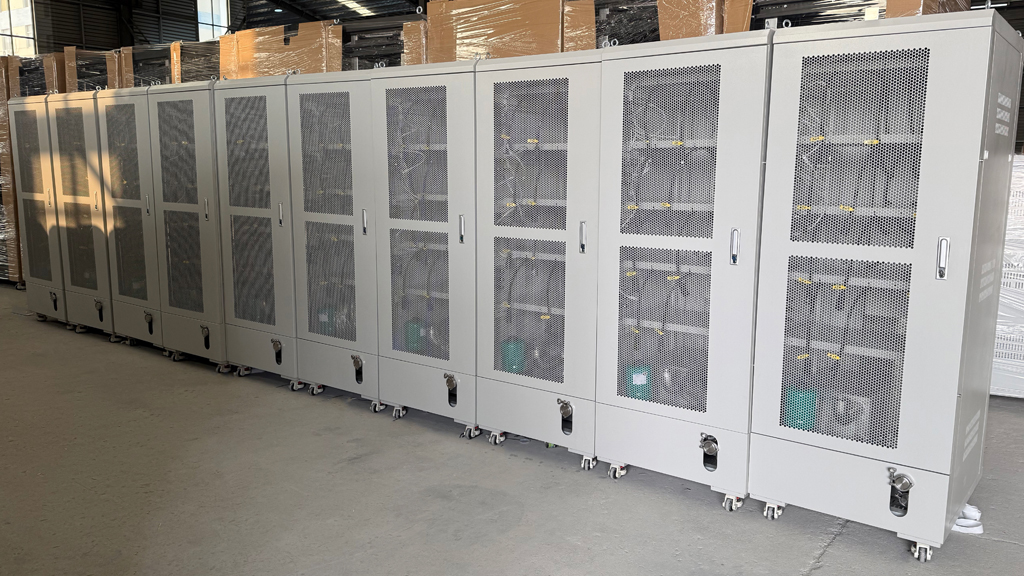
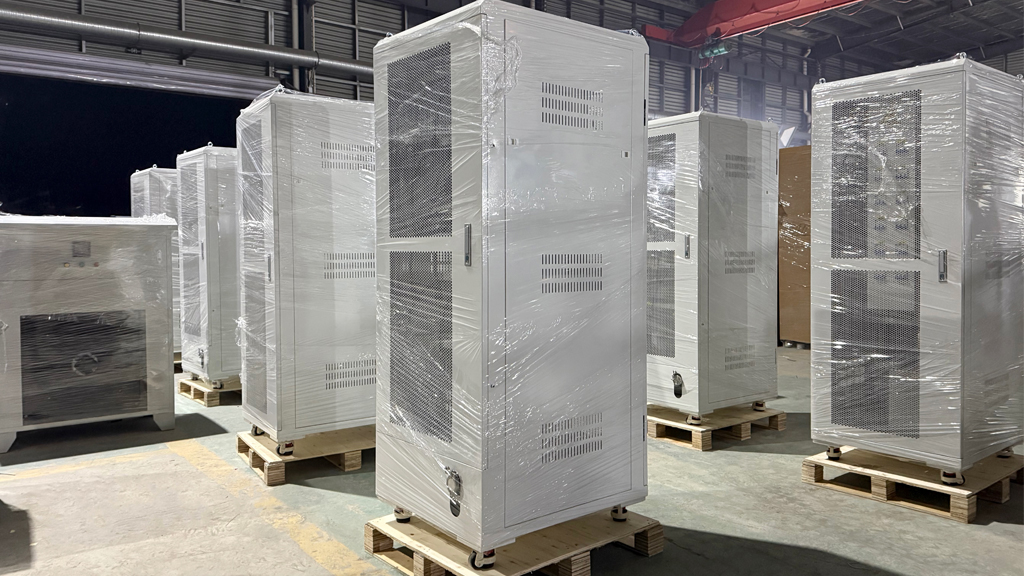
- Rack-based deployment
- Professional cooling systems
- Mining pool management
- Remote monitoring solutions
This makes it suitable for miners looking to build structured mining infrastructure rather than operate individual machines casually.
Evaluating Mining ROI: A Realistic Approach
Mining ROI calculations should avoid simple assumptions such as:
“Machine price ÷ daily revenue = payback period.”
Real-world mining economics are more complex.
A professional ROI model should consider:
Initial Investment
Including:
- ASIC purchase cost
- Shipping
- Import taxes
- Infrastructure setup
- Power installation
Operating Expenses
Including:
- Electricity
- Cooling
- Maintenance
- Hosting fees
- Network costs
Market Variables
Including:
- ZEC price volatility
- Difficulty changes
- Block reward adjustments
- Hardware resale value
Because cryptocurrency markets are highly dynamic, miners should evaluate multiple scenarios rather than relying on a single profitability estimate.
Why Professional Miners Continue Investing in Efficient Hardware
Despite market cycles, efficient mining hardware remains valuable because infrastructure has a longer lifespan than short-term price movements.
A strong mining operation focuses on:
- Lower operating costs
- Higher uptime
- Flexible deployment
- Efficient energy usage
These principles apply regardless of whether cryptocurrency prices are rising or declining.
As the Zcash ecosystem continues to develop, miners equipped with efficient hardware are better positioned to participate competitively in the network.
Mining Strategy: Beyond Buying Hardware
Successful mining requires more than purchasing an ASIC machine.
Professional miners also consider:
Mining Pool Selection
Mining pools allow individual operators to combine computational resources and receive more consistent rewards.
Important evaluation factors include:
- Pool reliability
- Fee structure
- Geographic server locations
- Payment methods
Cooling Infrastructure
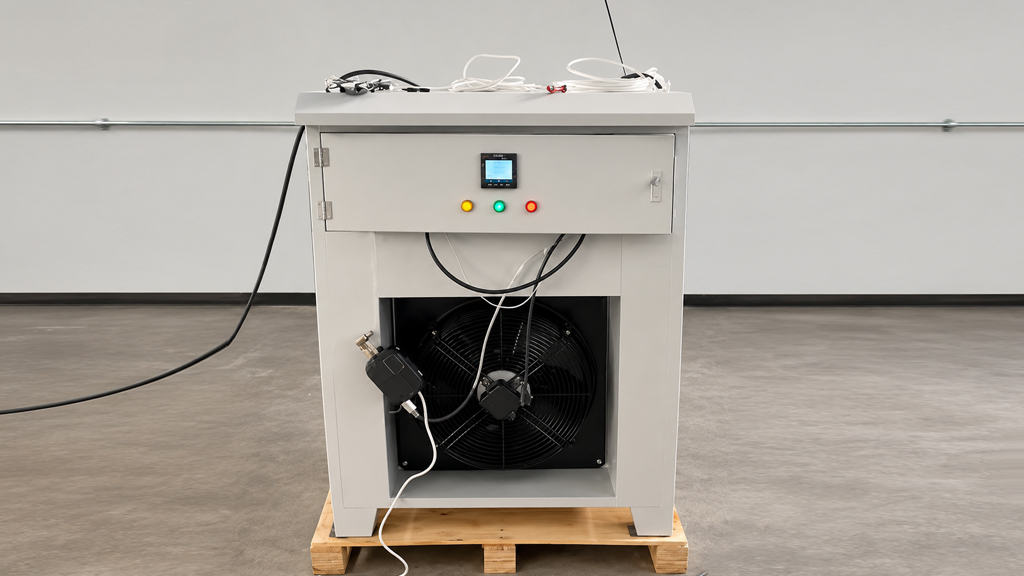
ASIC miners generate significant heat and require proper thermal management.
Common solutions include:
- Air cooling optimization
- Industrial ventilation
- Immersion cooling systems
Monitoring and Maintenance
Remote monitoring helps operators track:
- Temperature
- Hashrate stability
- Power consumption
- Hardware performance
Effective management can significantly improve operational efficiency.
The Future of Zcash Mining
The future of mining will increasingly favor efficiency-focused operators.
As competition grows, the advantage will shift away from simply owning more machines toward operating better infrastructure.
For Zcash miners, this means:
- Selecting efficient ASIC hardware
- Managing electricity costs carefully
- Maintaining high uptime
- Monitoring network conditions continuously
The Antminer Z15 Pro represents this approach: a mining solution designed not only for current network participation but also for long-term operational efficiency.
Conclusion: Privacy Technology and Efficient Mining Infrastructure
The renewed interest in privacy-focused cryptocurrencies represents a broader conversation about the future of digital finance.
As blockchain technology becomes increasingly integrated into everyday economic activity, the demand for secure, flexible, and privacy-aware systems is likely to continue developing.
Zcash remains an important example of how advanced cryptography can be applied to digital currency infrastructure. Its combination of zero-knowledge technology, established network history, and predictable supply model continues to attract attention from developers, users, and miners.
For mining participants, the opportunity is closely connected to operational efficiency.
In a competitive Proof-of-Work environment, success depends not only on participating in the network but on doing so efficiently.
Modern ASIC hardware such as the Antminer Z15 Pro demonstrates the direction of professional mining: optimized performance, improved energy efficiency, and reliable long-term operation.
The future of cryptocurrency mining will belong to operators who combine:
- Careful economic analysis
- Efficient hardware selection
- Professional infrastructure management
- Long-term strategic planning
As privacy technology continues to evolve and blockchain adoption expands, efficient mining infrastructure will remain a critical component of securing decentralized networks.
 Bitmain Antminer
 IceRiver
 Whatsminer
 Canaan Avalon
 Goldshell
 Solo Miner
 Elphapex
 Volcminer
 Jasminer
 Pinecone
 Bitcoin
 Dogecoin
 Aleo
Aleo
 Kaspa
Kaspa
 ALPH
ALPH
 Nexa
Nexa
 ETC
ETC
 CKB
CKB
 Dash
Dash
 Kadena