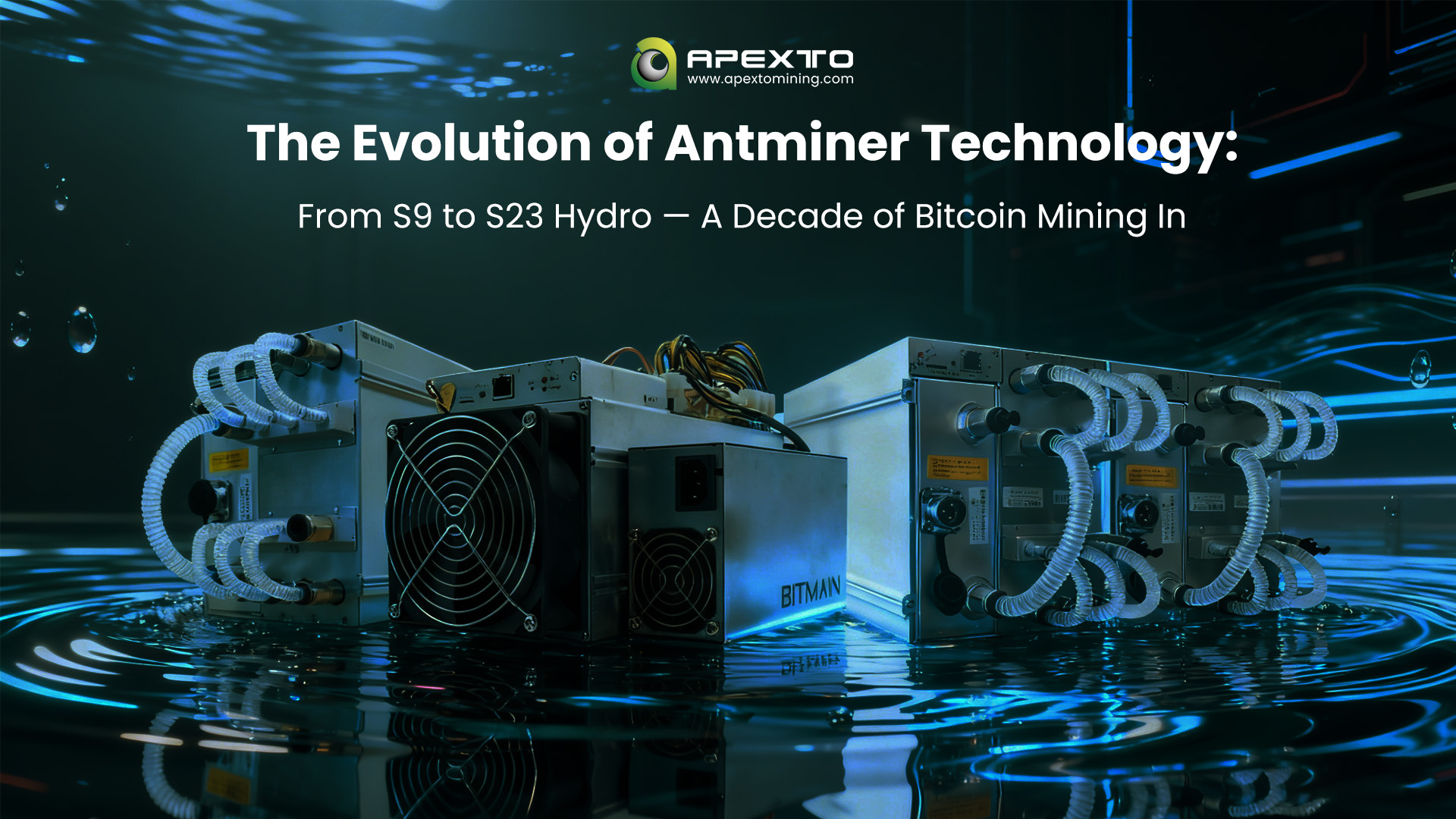
🚀 Evolution of Antminer Chip Technology (S9 → S19 → S21 → S23 Hydro)
1. Antminer S9 – The 16nm ASIC Pioneer (2016–2018)
Chip: BM1387 (TSMC 16nm FinFET)
Hashrate: 13.5 TH/s
Efficiency: 98–100 J/T
The Antminer S9 was the turning point that industrialized Bitcoin mining. It introduced the 16nm process, marking a 40% power reduction over 28nm predecessors.
With over 1 billion transistors per chip, it achieved a power efficiency milestone for its time.
Impact:
-
Became the most popular Bitcoin miner globally from 2016–2018.
-
Drove Bitcoin’s total network hashrate from 1 EH/s to 50 EH/s.
-
Affordable and durable — many units remained active even after 2020 in low-cost electricity regions.
Limitation:
As network difficulty and electricity prices increased, the S9’s high power draw gradually made it obsolete by 2020.
2. Antminer S19 Series – The 7nm Efficiency Revolution (2020–2023)
Chip: BM1398 (TSMC 7nm)
Hashrate: Up to 110 TH/s (S19 Pro)
Efficiency: 29.5 J/T
The Antminer S19 series marked a massive generational leap.
Using 7nm chips doubled transistor density and improved performance-per-watt by 3.5× compared to the S9.
Dynamic frequency scaling and intelligent temperature control enabled stable 24/7 operation under harsh environments.
Main Models:
Market Role:
From 2020 to 2023, S19 became the backbone of professional mining farms, especially in regions like North America, Kazakhstan, and hydro-powered areas of Sichuan.
Significance:
It was the first Antminer to optimize ROI per watt — the beginning of the “energy-efficiency competition era.”
3. Antminer S21 – Bridging the Gap to the 5nm Era (2024–2025)
Chip: BM1368 (TSMC 5nm-class / optimized 7nm+)
Hashrate: 200 TH/s
Efficiency: 17.5 J/T
The Antminer S21 acted as the transitional model between air-cooled and hydro-cooled architectures.
It adopted a refined 5nm-class process (often referred to as “4N”), significantly improving performance density while keeping production costs viable.
Key Innovations:
-
Hybrid cooling design: optional hydro-cooling and advanced air-cooling.
-
Smart Power Management: dynamic voltage regulation improved power efficiency by 15%.
-
Enhanced PCB design: optimized heat dissipation and reduced signal delay.
Market Position:
The S21 solidified Bitmain’s dominance during the 2024 bull cycle, offering miners a 30% shorter ROI period than the S19.
It also became the most power-efficient air-cooled miner before the arrival of full-liquid models.
4. Antminer S23 Hydro – The 5nm + Liquid Cooling Revolution (2026–Future)
Chip: BM1399 (5nm, 3D-stacked ASIC)
Hashrate: 580 TH/s
Efficiency: 9.5 J/T
The S23 Hydro redefines the high-performance mining standard.
It’s Bitmain’s first fully liquid-cooled miner using a closed-loop hydro system and 3D-stacked chip packaging, allowing over 20 billion transistors per die.
Technological Highlights:
-
AI-Assisted SHA-256 Optimization: reduces redundant computation by 15%.
-
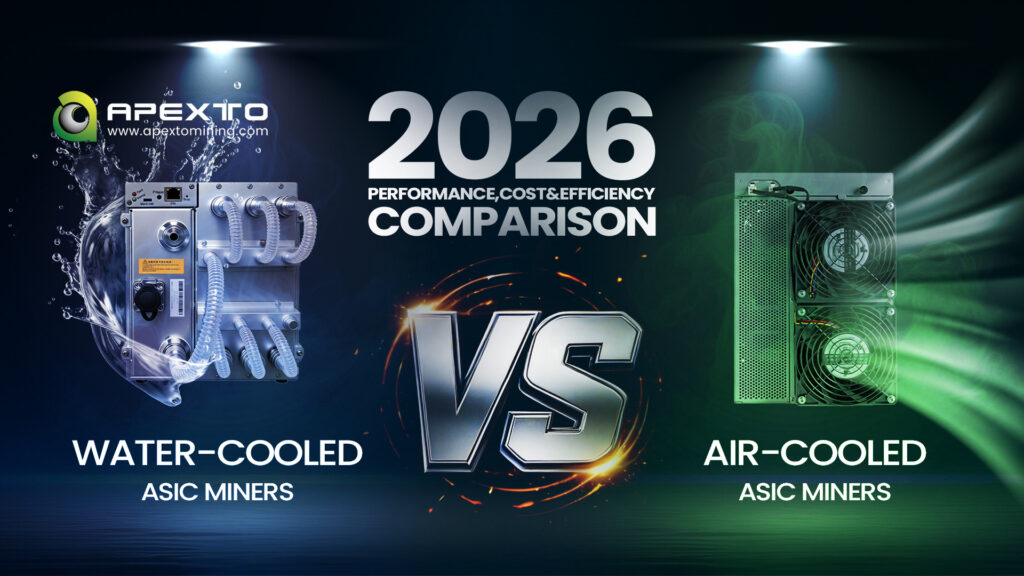
Thermal Efficiency: 40% better than air-cooled units; stable below 45°C.
-
Noise Reduction: <50 dB operation — suitable for indoor mining setups.
-
Sustainability: 30% reduction in energy waste and lower maintenance frequency.
Profitability Example (BTC ≈ $120,000):
The S23 Hydro is not just a miner; it’s an industrial computing appliance, bridging Bitcoin mining with AI-grade chip technology.
5. Chip Evolution Summary Table
| Model |
Launch Year |
Process Node |
Hashrate (TH/s) |
Efficiency (J/T) |
Cooling |
| S9 |
2016 |
16nm |
13.5 |
98 |
Air |
| S19 Pro |
2020 |
7nm |
110 |
29.5 |
Air |
| S21 |
2024 |
5nm-class |
200 |
17.5 |
Air / Hybrid |
| S23 Hydro |
2026 |
5nm |
580 |
9.5 |
Liquid |
6. The Bigger Picture – Bitcoin Mining as a Technological Ecosystem
The evolution from S9 to S23 mirrors the industrialization of Bitcoin mining:
-
16nm → 5nm chip miniaturization increased transistor density by nearly 8×.
-
Energy efficiency improved tenfold (from 100 J/T to under 10 J/T).
-
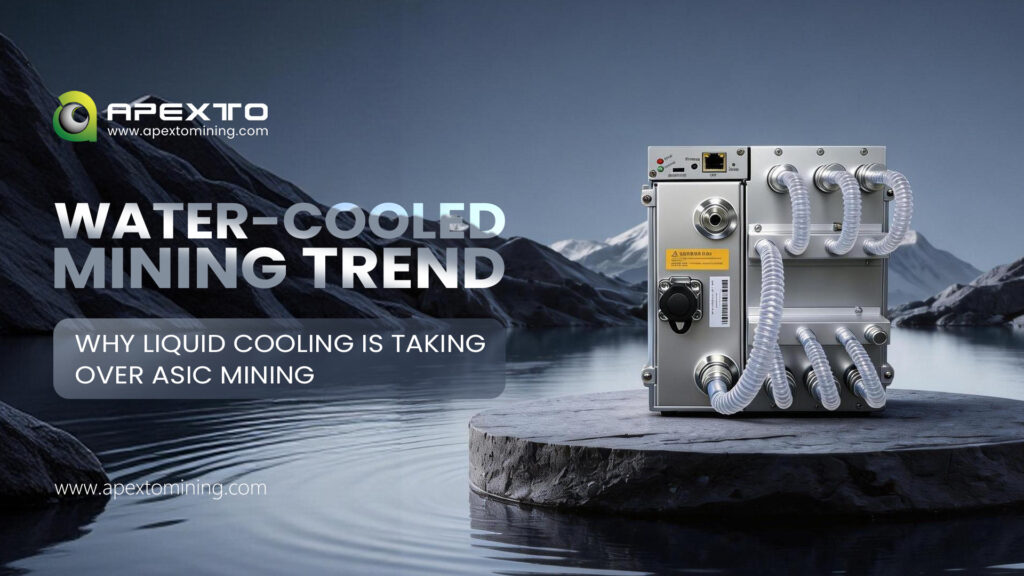
Cooling evolution from air → hybrid → liquid solved thermal limits and allowed PetaHash-level designs.
These breakthroughs reduced Bitcoin’s energy intensity per TH/s dramatically, contributing to the sustainability of the network and enabling the transition from garage mining to data-center-grade infrastructure.
7. The Road to the 3nm Future
From the humble S9 to the high-tech S23 Hydro, Bitmain’s Antminer series embodies a decade of relentless innovation.
As chip manufacturing approaches the 3nm node, future miners will likely integrate AI co-processors, smart cooling systems, and green energy optimization, continuing the mission to balance power, performance, and sustainability.