Introduction: Why Most Miners Ignore Cooling at Their Own Risk
In 2026, cryptocurrency mining is more competitive than ever. While miners focus on hashrate, electricity cost, and hardware efficiency, one crucial factor is often overlooked: cooling. Poor thermal management can lead to decreased performance, hardware failure, and lost profits.
For miners wondering how to prevent mining rig overheating, understanding and implementing proper cooling strategies is no longer optional—it’s essential.
Why Cooling Is Critical for 2026 Water-Cooled ASIC Miners
Effective cooling affects every aspect of mining operations:
- Hashrate Stability: Overheating triggers thermal throttling, reducing performance.
- Energy Efficiency (J/TH): Hot chips consume more electricity per unit of hashrate.
- Hardware Lifespan: Long-term heat damages silicon chips, capacitors, and solder joints.
- Failure Rate: Overheating is a leading cause of downtime.
Proper thermal management, or following an ASIC miner thermal management guide, ensures miners operate at optimal performance and maintain ROI.
3 Common Cooling Mistakes Miners Make
Mistake #1: Only Monitoring Ambient Temperature
Many assume a “cool room” equals safe operation. Reality: chips are usually 20–40°C hotter than the room, with hotspots potentially exceeding safe limits—even in moderate environments.
Mistake #2: Relying on Stock Air Cooling
Factory air cooling is designed for ideal conditions, not real-world mining setups:
- High-density mining farms
- Seasonal heat spikes
- Dust accumulation blocking airflow
Without upgrades, miners risk hidden overheating and reduced performance.
Mistake #3: Ignoring Long-Term Thermal Fatigue
Mining rigs run 24/7 under load, unlike standard computers. Continuous heat cycles cause:
- PCB and solder fatigue
- Fan deterioration
- Gradual hardware degradation
Long-term neglect often results in sudden, costly failures.
Real Costs of Poor Cooling
Poor thermal management isn’t just about heat—it’s about money lost:
- Hashrate Loss – Thermal throttling can reduce performance 5–20%, translating to months of lost revenue.
- Downtime & Maintenance – Fan failures, chip damage, and emergency shutdowns halt mining.
- Accelerated Hardware Depreciation – Normal lifespan of 3–5 years can drop to 1–2 years under poor cooling.
Ignoring cooling can increase total operating costs by 15–30%, often more than miners realize.
Why Liquid Cooling Is the Future
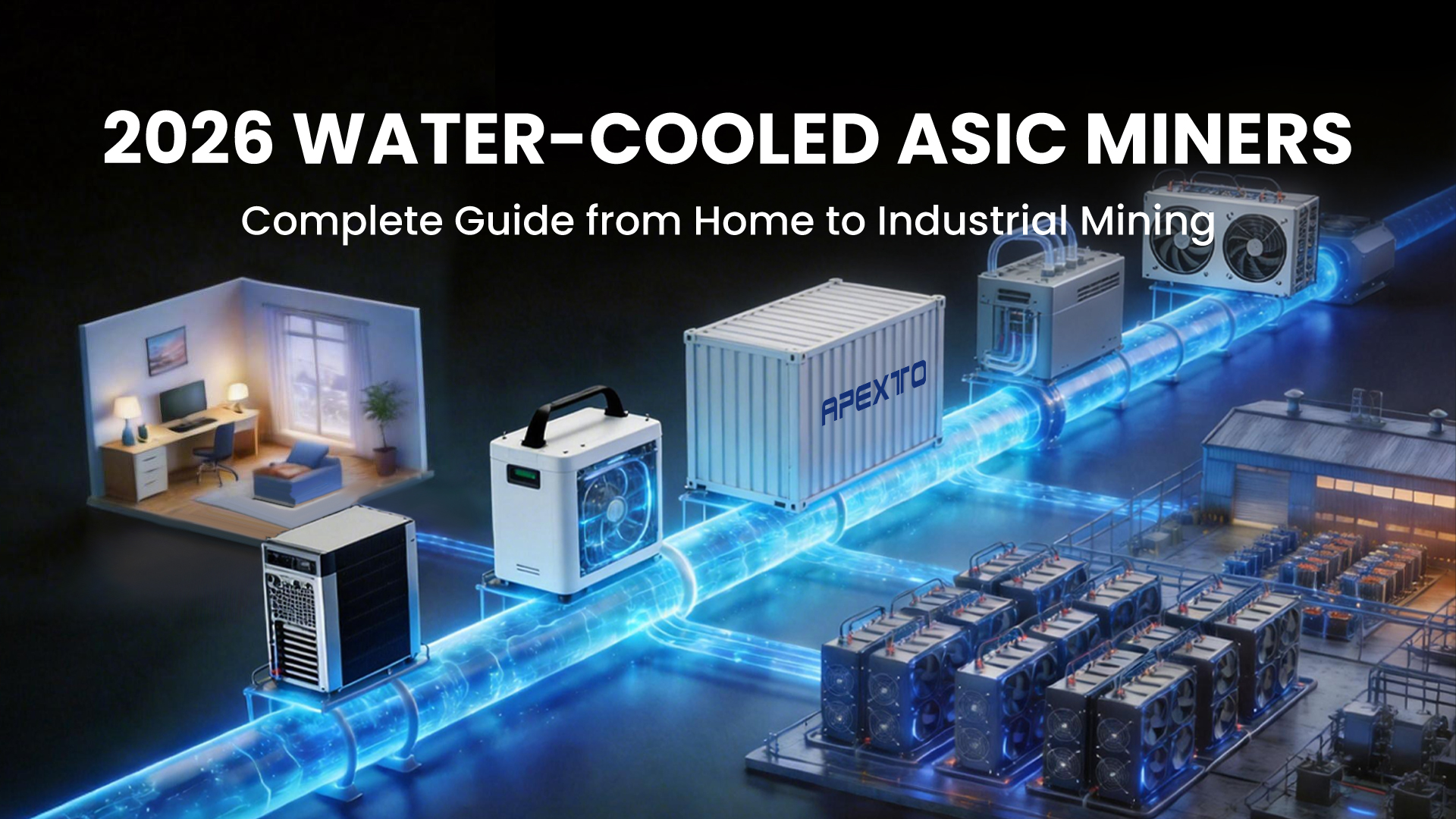
As ASIC power density rises (5kW+ per unit), traditional air cooling is reaching its limits. Liquid cooling offers significant advantages:
- Higher Heat Transfer Efficiency – Water removes heat far faster than air.
- Stable Operating Temperatures – Minimizes thermal throttling.
- Reduced Noise & High-Density Deployment – Ideal for compact mining farms.
- Extended Hardware Lifespan – Reduces thermal stress and failure rates.
Liquid cooling solutions, or high-efficiency liquid cooling for miners, are increasingly essential for mid-to-large-scale operations.
Cooling Strategies for Different Mining Scenarios
Conclusion: Cooling Equals Profitability
Most miners calculate profit using:
Hashrate × Coin Price ÷ Electricity Cost
A more complete model considers:
Profit = Stable Hashrate × Uptime × Energy Efficiency × Hardware Lifespan
Every factor above is influenced by proper cooling. Ignoring it may not show immediate losses, but over time, miners pay through reduced performance, downtime, and hardware damage.
Call to Action:
Maximize your mining ROI with the best water-cooled ASIC miners in 2026. Explore recommended rigs and cooling solutions to keep your operation stable and profitable.
 Bitmain Antminer
 IceRiver
 Whatsminer
 Canaan Avalon
 Goldshell
 Solo Miner
 Elphapex
 Volcminer
 Jasminer
 Pinecone
 Bitcoin
 Dogecoin
 Aleo
Aleo
 Kaspa
Kaspa
 ALPH
ALPH
 Nexa
Nexa
 ETC
ETC
 CKB
CKB
 Dash
Dash
 Kadena