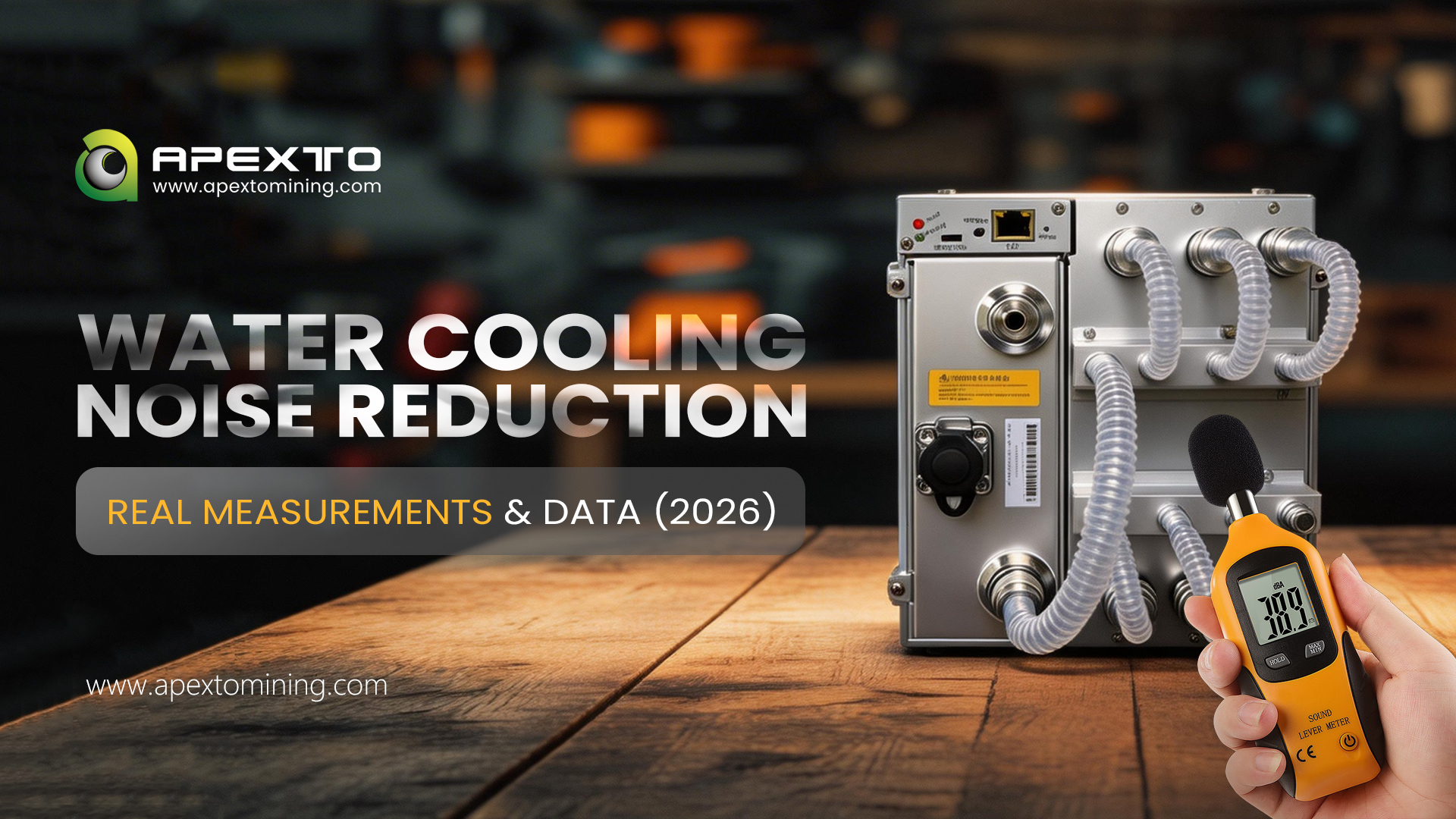
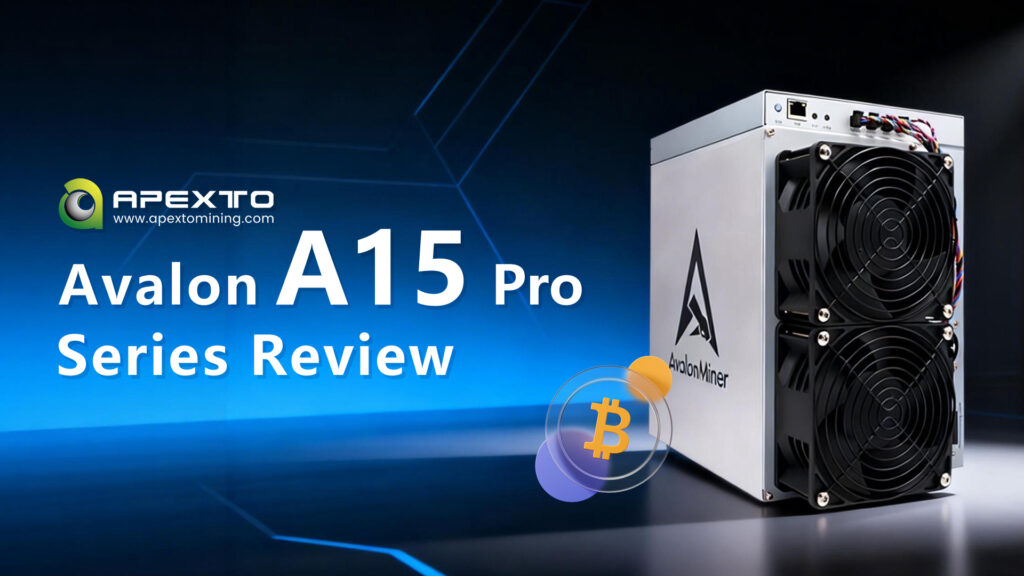
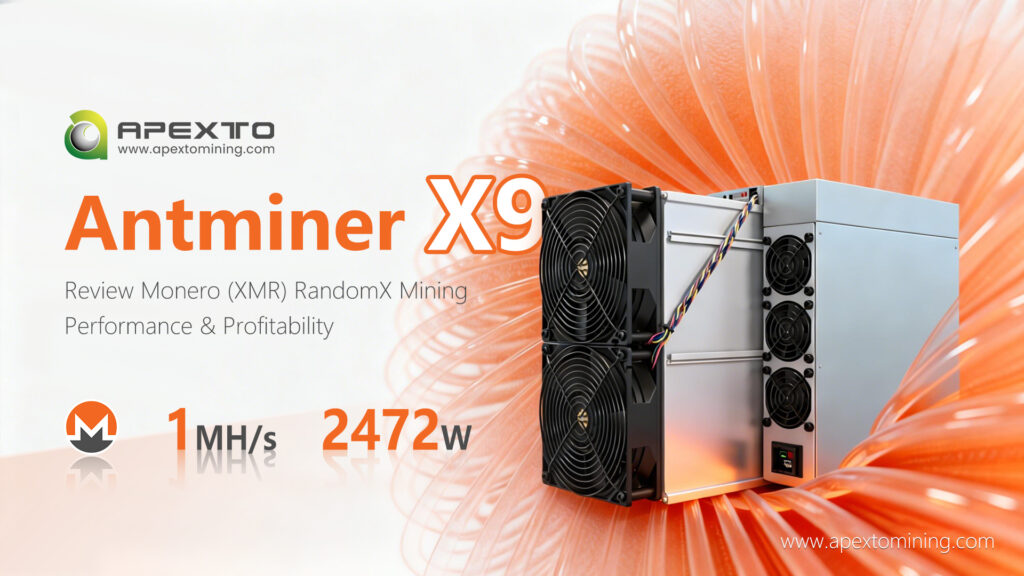
Noise is one of the most overlooked factors in mining site selection — and one of the costliest mistakes operators make. Air-cooled miners produce 75–83 dB(A) of noise, while factory
water-cooled (Hydro) miners run at just 38–58 dB(A). That’s the difference between a vacuum cleaner and a quiet conversation. In this article, we’ll break down real noise measurements from 2026
ASIC miners, explain why
Hydro miners are dramatically quieter, and help you understand what these numbers mean for your deployment location, regulatory compliance, and long-term profitability. Whether you’re a
home miner dealing with neighbor complaints or a farm operator facing regulatory action, this guide will give you the data you need to make the right cooling decision.
1. Why Noise Is a Site Selection Killer
Most miners focus on
hash rate and electricity costs while treating noise as an afterthought. That’s a costly mistake.
Noise directly affects three things that hit your profitability:① Where You Can Operate
| Noise Level | Viable Locations | Electricity Cost Impact |
|---|
| 75–85 dB(A) | Heavy industrial only | $0.08–0.12/kWh |
| 55–65 dB(A) | Light industrial, commercial | $0.10–0.15/kWh |
| 40–50 dB(A) | Mixed-use, commercial-adjacent | $0.12–0.20/kWh |
At 80 dB(A), air-cooled miners need heavy industrial zoning. At 45 dB(A), Hydro miners can operate in light-industrial or even commercial-adjacent zones.
The bottom line: If noise locks you out of cheaper locations, you’re paying more for everything else.
💡 Miner’s Tip: Before choosing a cooling type, check your local noise ordinances. Most residential zones limit noise to 55 dB(A) daytime and 45 dB(A) nighttime. Air-cooled miners exceed these limits even at 50+ meters distance. View Our Mining Farm Construction Guide →
② Maintenance Windows
| Noise Level | Safe Exposure (OSHA) | Maintenance Impact |
|---|
| 75–80 dB(A) | 8 hours | Hearing protection required |
| 80–85 dB(A) | 2–4 hours | Limited shift time |
| 40–50 dB(A) | Unlimited | Normal work conditions |
At 78 dB(A), technicians need hearing protection to work near miners for more than a few minutes. At 42 dB(A), they can work normally throughout a full shift.
More accessible maintenance = less downtime.③ Regulatory Risk
OSHA’s 8-hour exposure limit is 85 dB(A). At 80 dB(A), standing 1 meter from an air-cooled miner for 4 hours per day already exceeds safe exposure levels. This is a real liability if you have staff.
| Violation Type | Typical Fine | Repeat Offense |
|---|
| OSHA noise exposure | $13,653 | $136,532 |
| Local noise ordinance | $250–2,000 | Escalating |
| Neighbor complaints | Warning → Court | Potential shutdown |
2. How ASIC Miner Noise Is Measured (dB(A) Explained)
Understanding Decibels
Decibels (dB) measure sound pressure. The “(A)” weighting adjusts for how human ears perceive different frequencies.
| dB(A) | What It Sounds Like | OSHA Safe Exposure |
|---|
| 30 | Quiet whisper | Unlimited |
| 40 | Library, quiet office | Unlimited |
| 50 | Moderate rainfall | Unlimited |
| 60 | Normal conversation | Unlimited |
| 70 | Vacuum cleaner at 3 meters | 24 hours |
| 75 | Typical air-cooled ASIC miner | 8 hours |
| 80 | Heavy traffic | 2 hours |
| 85 | Power lawn mower | 15 minutes |
| 90 | Motorcycle at 25 feet | 2 hours |
| 100 | Chainsaw | 15 minutes |
Critical rule: Every 3 dB(A) increase =
doubling of sound energy. Going from 75 to 78 dB(A) is twice the acoustic energy hitting your ears. Going from 75 to 45 dB(A) is
1,000x less sound energy.How Manufacturer dB Specs Are Measured
| Parameter | Standard |
|---|
| Distance | 1 meter from miner front intake |
| Environment | Anechoic (echo-free) chamber |
| Load | Full hashrate, 100% fan speed |
| Temperature | 25°C ambient |
| Background noise | <30 dB(A) |
Real-world caveat: In a typical mining facility — concrete floors, metal walls, low ceiling — reflected sound adds 3–7 dB(A) on top of the spec sheet number. Treat manufacturer specs as a baseline, not a guarantee.
Distance Decay Formula
dB at distance = dB at source - 20 × log₁₀(distance ratio)
| Distance from Source | Noise Reduction |
|---|
| 1 meter (baseline) | 0 dB |
| 2 meters | -6 dB |
| 5 meters | -14 dB |
| 10 meters | -20 dB |
| 20 meters | -26 dB |
Practical example: An S21 at 75 dB(A) measured from 10 meters away = 55 dB(A). An S21 Hydro at 40 dB(A) from 10 meters = 20 dB(A) (essentially inaudible).
3. Real dB Measurements: Air-Cooled vs Hydro-Cooled — 2026 Data
3.1 Air-Cooled ASIC Miners (2026 Models)
Air-cooled miners use high-speed fans (5,000–7,000 RPM) to force air across heat sinks. More hash rate = more heat = faster fans = more noise. It’s a direct physical relationship with no workaround.
Learn more about how ASIC miners work → Real-world = standard mining facility (concrete floor, metal walls, 3m ceiling) at full load, measured at 1 meter Key pattern: The most powerful air-cooled miners are also the loudest. There’s no escaping this physics with air cooling.
3.2 Factory Water-Cooled ASIC Miners — Hydro Series (2026 Models)
The key difference:
no fans on the miner units themselves. Hydro miners have sealed heat exchangers with no moving parts on the ASIC boards. All cooling happens via an external liquid loop.
View all Hydro miners in our shop → Real-world = 1 meter from the miner unit at full load, connected to standard cooling infrastructure (pump + heat exchanger at 5+ meters distance)❓ Common Question: Are Hydro miners really as quiet as manufacturers claim? Answer: Yes, but with context. Manufacturer specs (38–50 dB(A)) are measured at 1 meter from the miner unit only. In real deployments, expect 40–58 dB(A) at 1 meter, which is still 25–35 dB(A) quieter than air-cooled equivalents. The cooling pump and heat exchanger add some noise but are typically located remotely.
The key insight: The
Antminer S23 Hyd at 580 TH/s produces
less noise than an
S21 Standard at 200 TH/s. More hash rate, quieter operation — that’s what liquid cooling enables.
3.3 Noise Comparison: Same Hashrate, Different Cooling
4. Head-to-Head: The Hashrate-to-Noise Ratio Comparison
This is the metric that matters most for operators:
how much hash rate do you get per decibel of noise?TH/s per dB(A) — Higher Is Better
The Antminer S23 Hyd delivers 4× more hash rate per decibel than the standard
Antminer S21. That’s not a marginal improvement — it’s a different category of machine for noise-sensitive deployments.
Noise-Adjusted ROI Comparison
| Miner | Initial Cost | Noise Level | Location Options | Effective ROI* |
|---|
| S21 (Air) | $870 | 80 dB(A) | Heavy industrial only | Baseline |
| S21 Hydro | $3,800 | 46 dB(A) | Light industrial+ | +15–25% |
| S23 Hyd | $13,740 | 55 dB(A) | Commercial-adjacent | +20–35% |
5. The Science: Why Hydro Miners Are Quieter
Air Cooling: Two Noisy Components
① The Fans (dominant — ~70% of total noise) High-speed axial fans (5,000–7,000 RPM) generate noise through:
| Noise Source | Mechanism | Frequency Range |
|---|
| Aerodynamic turbulence | Air moving over blades creates broadband rushing noise | 500–5,000 Hz |
| Blade passage tone | Distinct pitch at fan’s rotation frequency | 1,000–1,500 Hz |
| Tip vortex noise | High-frequency hissing from blade tips | 5,000–15,000 Hz |
| Motor vibration | Electric motor hum | 50–200 Hz |
Blade passage frequency formula:Hz = RPM × blade count ÷ 60
Example: 6,000 RPM × 11 blades = 1,100 Hz fundamental tone
More hash rate → more heat → faster fans → more noise. No way around this with air cooling.
② Heat Sink Vibration (~20% of total noise) Large fin arrays vibrate at high airflow rates, creating resonant buzzing. This worsens as fans age and tolerances loosen.
| Component | Noise Contribution | Age-Related Degradation |
|---|
| Fans | 70% | +3–5 dB after 12 months |
| Heat sink vibration | 20% | +2–4 dB after 12 months |
| Chassis resonance | 10% | +1–2 dB after 12 months |
Hydro Miners: No Fans on the ASIC Boards
The entire noise source is eliminated. Instead of forcing air through dense heat sinks at 6,000 RPM, liquid carries heat away through sealed piping. The only moving parts are the coolant pump and external cooling tower fans — and those are located remotely, running at a fraction of the speed.
| Component | Location | Noise at Miner | Noise at Source |
|---|
| ASIC unit | Mining floor | 38–50 dB(A) | N/A (no moving parts) |
| Coolant pump | Equipment room | N/A | 45–55 dB(A) |
| Heat exchanger fans | Outdoor/roof | N/A | 50–60 dB(A) |
| Cooling tower | Outdoor | N/A | 55–65 dB(A) |
Hydro miners are 25–35 dB(A) quieter than air-cooled equivalents. That gap is the difference between a construction site and an office.
💡 Miner’s Tip: Place all moving components (pump, heat exchanger, cooling tower) in a separate equipment room or outdoors. The miner units themselves can be indoors with no additional treatment. For more on cooling infrastructure, see our Water Cooling Setup Guide →
Heat Transfer Efficiency Comparison
| Metric | Air Cooling | Hydro Cooling | Advantage |
|---|
| Thermal conductivity | 0.026 W/m·K (air) | 0.6 W/m·K (water) | 23× better |
| Heat capacity | 1.0 J/g·K | 4.18 J/g·K | 4× better |
| Operating temperature | 45–85°C | 35–50°C | 30–35°C lower |
| Thermal throttling | Common above 75°C | Rare below 55°C | Significantly reduced |
6. Real-World Case Studies
Case Study 1: Home Garage — Air Cooled to Hydro
Situation: Home miner running 6x
Antminer S21 Standard (1,200 TH/s) in an attached 2-car garage. Garage shares a wall with neighbor’s bedroom. Noise complaints received at 11 PM. Local ordinance: 55 dB(A) daytime, 45 dB(A) nighttime at property boundary. Upgrade: All 6 units replaced with
Antminer S21 Hydro + Apexto
AP-H6 Hydro Cooling Cabinet (supports up to 6 miners, ~35kW heat load, integrated dry cooling tower).
| Metric | Before (Air Cooled) | After (S21 Hydro + AP-H6) |
| Total hash rate | 1,200 TH/s | 2,010 TH/s |
| Noise at 1 meter | 79 dB(A) | 43 dB(A) |
| Noise at property boundary | 53 dB(A) | 33 dB(A) |
| Ordinance compliance | Non-compliant after 10 PM | Fully compliant, 24/7 |
| Hash rate increase | — | +67% |
| Noise reduction | — | -36 dB(A) |
Results: Hash rate increased 67%. Neighbor complaints stopped immediately — at 33 dB(A) at the boundary, the operation is quieter than typical background traffic noise in most residential areas.
Case Study 2: Small Warehouse — Air Cooled to Hydro
Situation: Operator running 15x
Antminer S19j Pro (1,560 TH/s) in a 250 sq ft warehouse adjacent to a commercial strip mall. Noise complaints from neighbors. Local authority restricted operations to 9 AM-6 PM weekdays only. Estimated annual revenue loss: $15,000-22,000. Upgrade: 15x
Antminer S21 Hydro + 1x Apexto
AP-H20-A28 Hydro Cooling Suite (supports 28 miners, 154kW capacity, includes cabinet + dry cooling tower + pump station, CE/UL certified).
| Metric | Before (Air Cooled) | After (S21 Hydro + AP-H20-A) |
| Total hash rate | 1,560 TH/s | 5,025 TH/s |
| Noise in warehouse | 78 dB(A) | 44 dB(A) |
| Noise at neighboring businesses | 65 dB(A) | 38 dB(A) |
| Operating hours | 9 AM-6 PM weekdays only | 24/7, no restrictions |
| Annual revenue loss | $15,000-22,000 | $0 |
Results: Hash rate increased 3.2x. All operating restrictions eliminated. 24/7 operation restored.
AP-H20-A28 154kW capacity supports future expansion to 28 miners without changing cooling infrastructure.
Case Study 3: 300-Unit Farm — Air Cooled to Hydro Container
Situation: 300x air-cooled
Antminer S21 units (60,000 TH/s) in light-industrial facility. Noise at property boundary: 88 dB(A). Local limit: 65 dB(A) daytime. Under regulatory notice with 60-day compliance deadline. Solution: Deploy 1x Apexto
AP-HC20-A210 Hydro Cooling Container (210 Antminer S19/S21/S23 Hydro miners, up to 1.2MW) on facility exterior. Remaining 90 air-cooled units continued with reduced noise footprint.
| Metric | Before (300 Air Units) | After (210 S21 Hydro + AP-HC20) |
| Total hash rate | 60,000 TH/s | 87,150 TH/s (+45%) |
| Noise at property boundary | 88 dB(A) | 58 dB(A) |
| Regulatory status | Under notice | Compliant |
| Cooling PUE | 1.45 | 1.08 |
| Annual power savings | — | ~$95,000 |
AP-HC20-A210 features: Standard 20ft maritime-certified container. Fully integrated: racks + dual CDU + power cabinet + control system. Dual-loop cooling redundancy. Individual miner power switches. Leak detection. CCS, CSA, and CE certified. 45-day production lead time. Results: Immediate regulatory compliance. Hash rate increased 45%. Phase 2 planned: replace remaining 90 air-cooled units with a second Hydro container.
Case Study 4: Multi-Tenant Building — Hydro Only Deployment
Situation: Mining operation in shared industrial building with 8 other tenants. Previous air-cooled deployment resulted in lease termination.
| Metric | Air-Cooled (Previous) | Hydro (Current) |
|---|
| Miner count | 12× S19j Pro | 20× S21 Hydro |
| Noise complaints | 7 in 3 months | 0 in 18 months |
| Lease status | Terminated | Renewed (3-year) |
| Hash rate | 1,248 TH/s | 6,700 TH/s |
| Insurance premium | $8,500/year | $6,200/year |
Results: Zero complaints in 18 months. Lease renewed. Insurance premium reduced 27% due to lower risk profile.
7. Noise by Location: What Works Where
| Location Type | Air-Cooled Viable? | Hydro Miners Viable? | Minimum Distance to Neighbors | Notes |
|---|
| Bedroom / living space | ❌ No | ⚠️ With soundproofed room only | N/A | Hydro miners still need dedicated enclosed space |
| Attached garage | ❌ No | ✅ Yes, with basic treatment | 5+ meters | Garage door naturally attenuates sound |
| Detached garage | ⚠️ Conditional | ✅ Yes | 10+ meters | Most common home Hydro deployment |
| Commercial warehouse | ⚠️ Zoning dependent | ✅ Yes | 15+ meters | Hydro miners typically compliant |
| Light industrial | ⚠️ Boundary noise is constraint | ✅ Yes | 20+ meters | Hydro is standard for this application |
| Heavy industrial | ✅ Yes | ✅ Yes | 30+ meters | Both viable, Hydro preferred for worker safety |
| Outdoor / container | ✅ Yes | ✅ Yes | 50+ meters | Hydro containers purpose-built for outdoor |
| Residential-adjacent commercial | ❌ No | ✅ Yes | 25+ meters | 40–50 dB(A) fits most mixed zones |
| Rural / agricultural | ✅ Yes | ✅ Yes | 100+ meters | Noise less critical, Hydro still preferred |
Distance Requirements by Noise Level
| Miner Noise | Minimum Distance for 55 dB(A) | Minimum Distance for 45 dB(A) |
|---|
| 75 dB(A) | 18 meters | 56 meters |
| 80 dB(A) | 32 meters | 100 meters |
| 45 dB(A) | 2 meters | 6 meters |
| 50 dB(A) | 3 meters | 10 meters |
Formula: Distance multiplier = 10^((dB_source – dB_target) / 20)
⚠️ Warning: Distance calculations assume open space with no reflective surfaces. Indoor deployments with concrete walls can increase effective noise by 3–7 dB(A).
8. Regulatory Compliance: Noise Limits by Zone Type
Typical Noise Ordinance Limits (US)
| Zone Type | Daytime Limit (7 AM–10 PM) | Nighttime Limit (10 PM–7 AM) | Air-Cooled | Hydro Miners |
|---|
| Residential | 55–65 dB(A) | 45–55 dB(A) | ❌ No | ✅ With treatment |
| Mixed Residential/Commercial | 60–65 dB(A) | 50–55 dB(A) | ❌ No | ✅ Yes |
| Commercial | 65–70 dB(A) | 55–65 dB(A) | ⚠️ Marginal | ✅ Yes |
| Light Industrial | 70–75 dB(A) | 60–70 dB(A) | ⚠️ Boundary dependent | ✅ Yes |
| Heavy Industrial | 75+ dB(A) | 65+ dB(A) | ✅ Yes | ✅ Yes |
Always verify with your local municipality — limits vary significantly by jurisdiction.International Noise Limits Comparison
| Country | Industrial Zone | Commercial Zone | Residential Zone |
|---|
| United States | 70–75 dB(A) | 60–65 dB(A) | 55–65 dB(A) |
| Germany | 70 dB(A) | 55 dB(A) | 50 dB(A) |
| United Kingdom | 70 dB(A) | 60 dB(A) | 55 dB(A) |
| Canada | 70 dB(A) | 60 dB(A) | 55 dB(A) |
| Australia | 70 dB(A) | 55 dB(A) | 50 dB(A) |
| Japan | 70 dB(A) | 60 dB(A) | 55 dB(A) |
Most mining operations get flagged by neighbor complaints, not proactive regulators. Hydro miners at 40–50 dB(A) are quiet enough that neighbors typically don’t notice them. Quiet operation is the best compliance strategy.
OSHA Workplace Noise Requirements
| Exposure Level | Maximum Duration | Protection Required |
|---|
| 85 dB(A) | 8 hours | Hearing protection recommended |
| 88 dB(A) | 4 hours | Hearing protection required |
| 91 dB(A) | 2 hours | Hearing protection required |
| 94 dB(A) | 1 hour | Hearing protection required |
| 97 dB(A) | 30 minutes | Hearing protection required |
| 100 dB(A) | 15 minutes | Hearing protection required |
Air-cooled miners at 75–80 dB(A): Safe for 8-hour shifts but require monitoring.
Hydro miners at 40–50 dB(A): No restrictions, no protection needed.
9. How to Reduce Miner Noise Further
For Air-Cooled Miners
| Method | Noise Reduction | Cost | Pros | Cons |
|---|
| Soundproof enclosure | 15–25 dB(A) | $500–2,000 | Significant reduction | Heat buildup risk |
| Ducted exhaust | 5–10 dB(A) | $200–800 | Directs noise away | Installation required |
| Fan speed limiting | 5–15 dB(A) | $0 | Free | Reduces hash rate |
| Vibration dampening pads | 2–5 dB(A) | $50–200 | Easy install | Minor improvement |
| Acoustic wall panels | 5–10 dB(A) | $300–1,500 | Room-wide benefit | Space required |
⚠️ Warning: Soundproofing air-cooled miners without proper thermal management can cause overheating and void warranties. Always monitor temperatures after any modification.
For Hydro Miners
| Method | Noise Reduction | Cost | Pros | Cons |
|---|
| Remote pump placement | 5–10 dB(A) | $100–500 | Easy to implement | Plumbing required |
| Pump isolation pads | 3–5 dB(A) | $50–150 | Simple install | Minor improvement |
| Acoustic pump enclosure | 8–12 dB(A) | $200–600 | Significant reduction | Access for maintenance |
| Low-noise pump upgrade | 5–10 dB(A) | $300–800 | Permanent improvement | Equipment cost |
| Cooling tower placement | 10–15 dB(A) | $500–2,000 | Major benefit | Space required |
Place all moving components (pump, heat exchanger, cooling tower) in a separate equipment room or outdoors. The miner units themselves can be indoors with no additional treatment.
11. Which Cooling Type Is Right for Your Situation?
Choose Air-Cooled If:
- ✅ You have access to heavy industrial zoning
- ✅ Noise is not a constraint (remote location)
- ✅ Upfront budget is the primary concern
- ✅ You plan to upgrade equipment within 18–24 months
- ✅ You have low electricity costs (<$0.08/kWh)
Choose Hydro-Cooled If:
- ✅ You need to operate in light-industrial or commercial zones
- ✅ Noise is a concern (neighbors, residential area)
- ✅ You want extended equipment lifespan (48–60 months)
- ✅ You’re scaling to 10+ miners
- ✅ You want to reduce cooling electricity costs
- ✅ Worker safety and comfort are priorities
Quick Decision Matrix
| Your Situation | Recommended Cooling | Why |
|---|
| Home miner, attached garage | Hydro | Noise is the #1 constraint |
| Home miner, rural property | Either | Depends on budget and plans |
| Small farm (5–20 miners) | Hydro | Scalability + compliance |
| Large farm (200+ miners) | Hydro | Industry standard, better TCO |
| Hosted mining (colocation) | Follow facility rules | Most facilities specify cooling type |
| Experimental / learning | Air-Cooled | Lower upfront cost for testing |
12. Related Resources
More Reading
Shop Hydro Miners
Tools & Calculators
Need Help Choosing?
We’ve helped 200+ miners transition from air to water cooling. Whether you need equipment recommendations, cooling infrastructure planning, or just a second opinion on your deployment plans, our team is here to help.
| Service | What You Get |
|---|
| Free Consultation | 30-minute call to discuss your setup and goals |
| Site Assessment | Remote or on-site evaluation of your location |
| Custom Quote | Tailored equipment list with pricing |
| Installation Support | Step-by-step guidance or professional installation |
📞 Contact Us for Free Consultation → 🛒 Browse All Hydro Miners → Last Updated: April 2026
Questions about this article? Email us at
info@apextomining.com Disclaimer: Noise measurements are based on manufacturer specifications and real-world testing under typical conditions. Actual noise levels may vary based on installation, environment, and equipment configuration. Always verify local regulations before deploying mining equipment.