
Factors Influencing the Performance of ASIC Miners
ASIC miners’ performance is shaped by multiple interdependent factors, ranging from hardware design and algorithm compatibility to operational environments and market dynamics. Below is a detailed analysis of key influencing elements:
1. Hardware Design and Architecture
1.1 Chip Process Technology
- Manufacturing Node: Smaller nanometer-scale processes (e.g., 7nm, 5nm) enable higher transistor density, leading to stronger computing power at lower energy consumption. For example, a 5nm ASIC miner can achieve a 30–50% improvement in energy efficiency compared to a 16nm model.
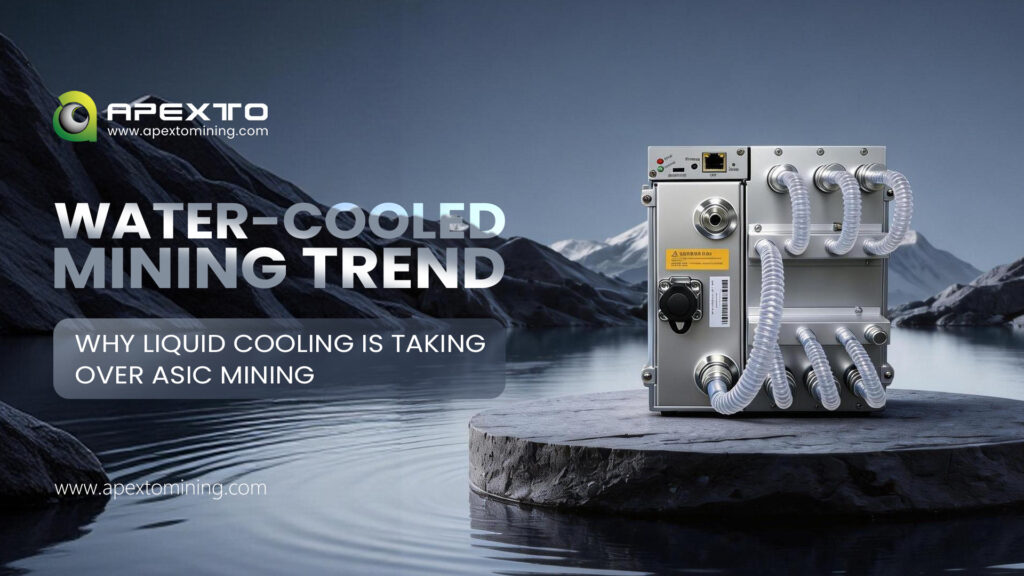
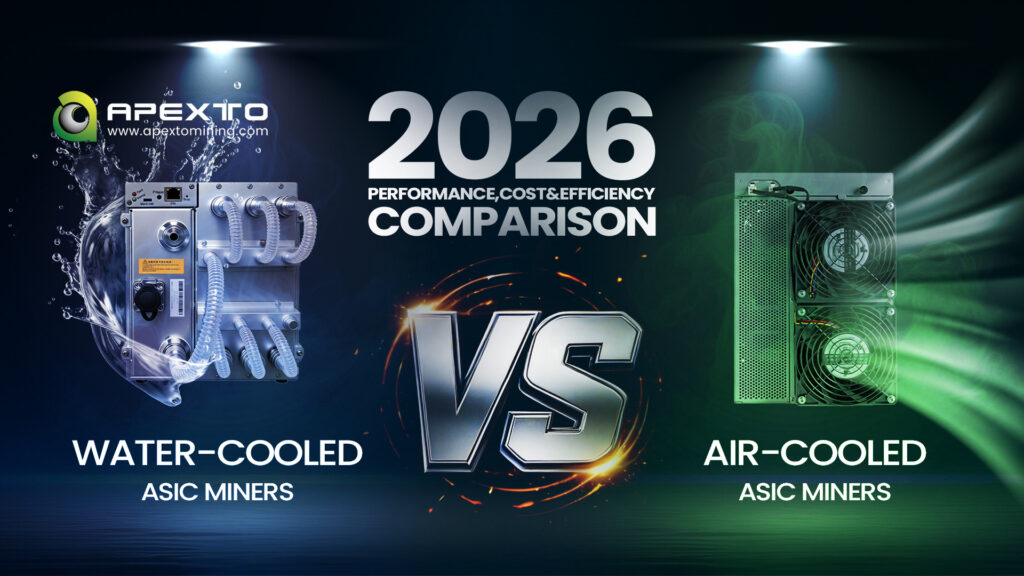
- Cooling System: High-density chips generate significant heat. Advanced cooling solutions (e.g., multi-fan setups, heatpipe cooling) prevent thermal throttling, ensuring stable hash rate output.
1.2 Number of ASIC Chips
- The total count of ASIC chips in a miner directly determines its hash rate. For instance, a model with 30 custom chips may offer 100 TH/s, while upgrading to 40 chips could increase Hash (hash rate) to over 130 TH/s.
1.3 Power Supply and Energy Efficiency Ratio (J/TH)
- Power Efficiency: High-quality power supplies (conversion efficiency ≥90%) reduce energy loss and operational costs.
- Energy Efficiency Ratio: A lower J/TH value (e.g., 20 J/TH vs. 50 J/TH) means less power consumption per unit of computing power, resulting in a 60% annual energy cost reduction for the same hash rate.
2. Algorithm Compatibility and Firmware Optimization
2.1 Cryptographic Algorithm Matching
- ASIC miners are designed for specific algorithms (e.g., SHA-256 for Bitcoin, Scrypt for Litecoin). Mismatched algorithms render the miner useless; for example, a Bitcoin miner cannot mine Ethereum (Ethash algorithm).
2.2 Firmware Updates
- Manufacturers optimize hash rate allocation and power consumption through firmware upgrades. For example, a firmware update might increase hash rate by 5–8% and reduce energy efficiency ratio by 10%.
- Outdated firmware may contain vulnerabilities, causing hash rate fluctuations or security risks (e.g., hijacking by malicious programs).
3. Operational Environment and Maintenance
3.1 Temperature and Humidity
- High Temperature: When ambient temperature exceeds 35°C, miners may trigger thermal protection, reducing hash rate by 10–20%. Prolonged high temperatures accelerate component aging.
- Humidity Risks: Humidity >80% may cause circuit board short-circuits, while <20% increases static electricity risks, destabilizing chip performance.
3.2 Network Connectivity
- Miners require real-time communication with mining pools. High latency (>100 ms) or disconnections lead to failed hash submissions and reduced rewards. Wired networks (gigabit bandwidth) with backup connections are recommended.
3.3 Maintenance and Cleaning
- Dust accumulation blocks cooling vents, reducing heat dissipation efficiency and causing hash rate degradation. Regular cleaning (every 1–2 months) of fans and heat sinks is essential.
- Unrepaired hardware failures (e.g., faulty fans, chip solder issues) may cause cascading damage.
4. External Ecosystem and Market Factors
4.1 Blockchain Network Difficulty
- Rising global hash rate increases mining difficulty, reducing a single miner’s effective reward share. For example, Bitcoin’s network difficulty grows by ~40% annually, necessitating hardware upgrades to maintain profitability.
4.2 Electricity Cost and Energy Policies
- High electricity prices (> $0.10/kWh) squeeze profit margins and may force miners to shut down. Older, less energy-efficient models are typically the first to become unprofitable during price hikes.
4.3 Regulatory Restrictions
- Bans or restrictions on crypto mining in some countries (e.g., China, Algeria) directly impact operational viability. Relocating to compliant regions (e.g., North America, Kazakhstan) involves transportation costs and policy risks.
5. Technological Iteration and Market Competition
5.1 New Generation Miner Releases
- Continuous upgrades (e.g., from 100 TH/s to 150 TH/s with 18 J/TH efficiency) render older models obsolete, shortening their effective profit cycles.
5.2 Secondary Market and Residual Value
- Rapid technological changes lead to high depreciation rates (30–50% annually). A miner’s residual value may drop to 20–30% of its initial cost after 18 months.
Conclusion: Key Pathways for Performance Optimization
- Short-Term: Optimize environment (temperature, humidity, network), update firmware promptly, and conduct regular maintenance.
- Mid-Term: Hedge against electricity cost fluctuations (e.g., miner+energy storage systems) and use hash rate leasing/futures to mitigate obsolescence risks.
- Long-Term: Track industry trends (e.g., advanced processes, liquid cooling) and plan hardware upgrades to sustain competitiveness.
About Apexto Mining
Apexto Mining is a professional ASIC mining solutions provider specializing in high-efficiency hardware and hydro cooling systems. With extensive experience in real-world mining operations, the team focuses on helping miners improve performance, reduce downtime, and maximize long-term ROI. Through in-depth guides and technical insights, Apexto Mining shares practical knowledge on miner selection, cooling strategies, and mining infrastructure—supporting both beginners and large-scale operators.
View all posts by Apexto MiningRelated posts
2026 Water-Cooled ASIC Miners: Complete Guide from Home to Industrial Mining
Why Is Bitcoin Dropping? Key Reasons Behind the Recent Decline
Water-Cooled Mining Trend : Why Liquid Cooling Is Taking Over ASIC Mining
Water-Cooled vs Air-Cooled ASIC Miners: 2026 Performance, Cost & Efficiency Comparison
Summer Water-Cooled ASIC Miner Maintenance: A Practical Guide for 2026
ASIC Miner Firmware Update Guide
Search Blog
Recent Posts
For media inquiries, please contact
info@apexto.com.cn