Bitcoin (BTC) and Bitcoin Cash (BCH) are two of the most well-known cryptocurrencies, sharing a common origin yet pursuing very different paths. While both rely on Proof of Work and a fixed supply, their investment profiles, adoption levels, and long-term outlooks vary significantly.
This guide provides a clear, data-driven comparison of Bitcoin vs Bitcoin Cash to help investors understand which asset better aligns with their financial goals.
Quick Comparison: Bitcoin vs Bitcoin Cash
| Feature |
Bitcoin (BTC) |
Bitcoin Cash (BCH) |
| Launch year |
2009 |
2017 (Bitcoin fork) |
| Creator |
Satoshi Nakamoto |
BCH developer & miner community |
| Primary purpose |
Store of value (“digital gold”) |
Peer-to-peer electronic cash |
| Max supply |
21 million |
21 million |
| Block size |
~1 MB (base layer) |
Up to 32 MB |
| Transactions per second |
~7 |
100+ |
| Fees |
Can be high during congestion |
Typically very low |
| Consensus |
Proof of Work |
Proof of Work |
| Network security |
Extremely high hash rate |
Lower hash rate |
| Adoption |
Institutional & global |
Limited merchant usage |
What Is Bitcoin (BTC)?
Bitcoin is the first and most secure cryptocurrency, launched in 2009 by the pseudonymous Satoshi Nakamoto. It introduced blockchain technology and a fixed monetary policy capped at 21 million coins, positioning Bitcoin as a scarce digital asset.
Over time, Bitcoin has evolved into a store of value, often compared to gold. Institutional adoption, regulated spot ETFs, and widespread recognition have reinforced its role as a long-term hedge against inflation and currency debasement.
Key strengths of Bitcoin:
-
Highest network security and decentralization
-
Strong institutional and regulatory acceptance
-
Proven long-term price appreciation
-
Mature ecosystem and global liquidity
What Is Bitcoin Cash (BCH)?
Bitcoin Cash was created on August 1, 2017, as a hard fork of Bitcoin. The split occurred due to disagreements within the Bitcoin community over how to scale the network.
Bitcoin Cash increased the block size to allow more transactions per block, aiming to keep transaction fees low and confirmations fast. Its vision focuses on everyday payments, positioning BCH as digital cash rather than digital gold.
Key characteristics of Bitcoin Cash:
-
Larger blocks for higher throughput
-
Very low transaction fees
-
Faster on-chain payments
-
Smaller ecosystem and user base
Why Did Bitcoin Cash Fork From Bitcoin?
As Bitcoin adoption increased, its limited block size led to network congestion, higher fees, and slower confirmations during peak periods.
Two scaling philosophies emerged:
-
Bitcoin (BTC) prioritized decentralization and security, favoring off-chain solutions like the Lightning Network.
-
Bitcoin Cash (BCH) advocated for larger blocks and more on-chain transactions.
When consensus could not be reached, Bitcoin Cash was launched to pursue the “peer-to-peer electronic cash” vision outlined in Bitcoin’s original whitepaper.
Investment Performance: BTC vs BCH
Bitcoin Price History
Bitcoin has grown from virtually zero to six-figure price levels over its lifespan. Despite volatility, its long-term trend has been upward, driven by scarcity, adoption, and investor confidence.
Bitcoin Cash Price History
Bitcoin Cash experienced rapid early speculation, peaking above $4,000 in late 2017 before entering a prolonged decline. Since then, BCH has traded in a much narrower range, reflecting lower demand and adoption.
Key takeaway:
Bitcoin has demonstrated consistent long-term growth, while Bitcoin Cash remains far more volatile and speculative.
Use Cases and Real-World Utility
Bitcoin
-
Long-term wealth preservation
-
Institutional portfolios and ETFs
-
Settlement layer for large-value transactions
Bitcoin Cash
-
Low-cost everyday payments
-
Fast peer-to-peer transfers
-
Experimental merchant adoption
While BCH excels in transaction efficiency, it has not achieved widespread merchant or consumer adoption comparable to Bitcoin’s ecosystem.
Supply, Halving, and Inflation
Both Bitcoin and Bitcoin Cash have a maximum supply of 21 million coins and undergo halving events approximately every four years.
However, Bitcoin’s scarcity narrative is significantly stronger due to:
Security and Network Strength
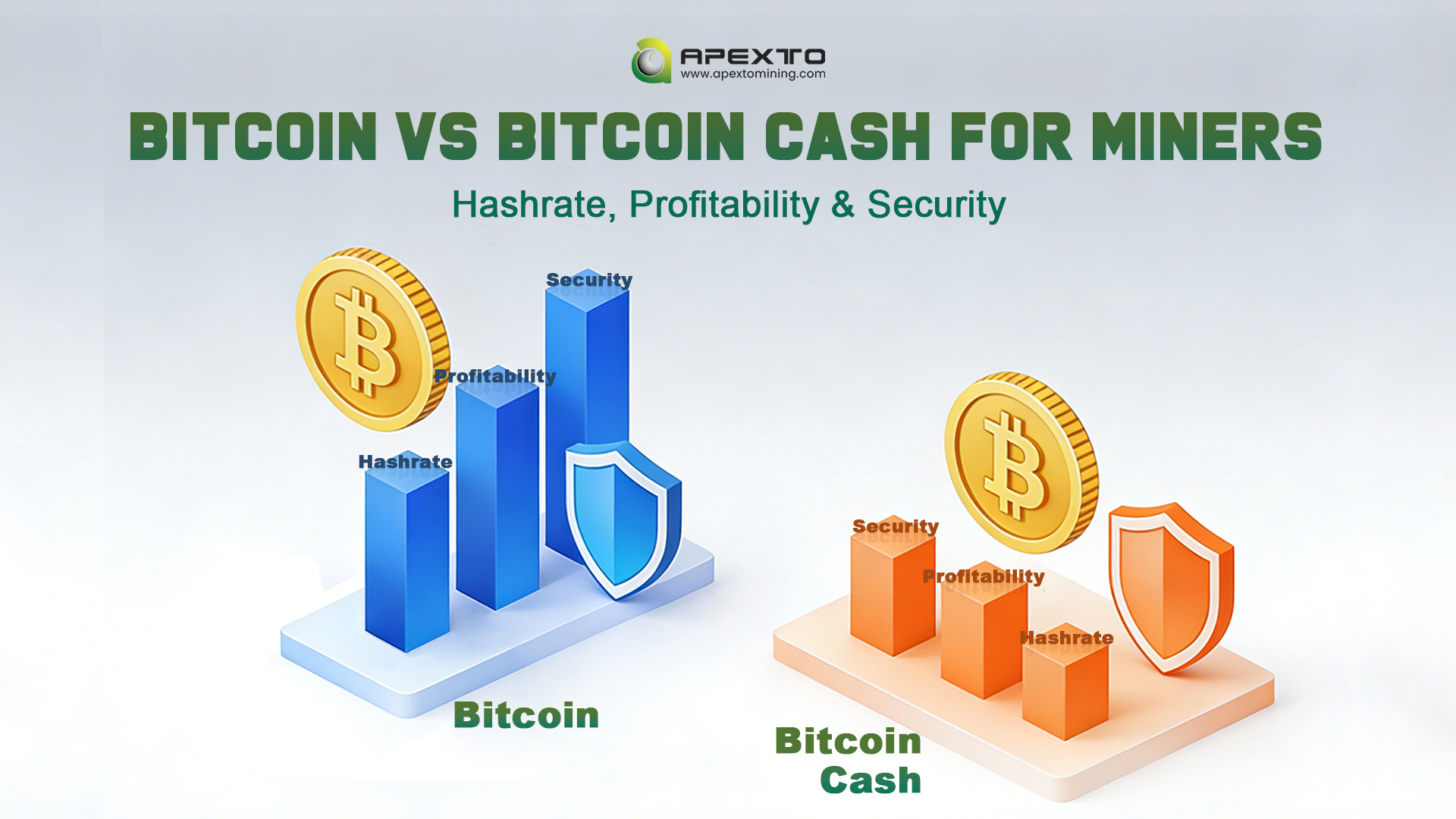
Bitcoin’s network is secured by the largest Proof-of-Work hash rate in the world, making attacks economically impractical.
Bitcoin Cash operates with a smaller miner base and lower hash rate, which can expose the network to higher relative security risks during periods of low miner participation.
Bitcoin vs Bitcoin Cash: Which Is the Better Investment?
The answer depends on your investment objectives:
For most investors, Bitcoin is widely considered the safer and more reliable asset, while Bitcoin Cash carries higher risk due to weaker adoption and network effects.
Can You Invest in Both?
Some investors choose a diversified approach:
This strategy balances stability with optional upside but should be approached cautiously.
How to Buy Bitcoin and Bitcoin Cash
-
Choose a reputable exchange supporting BTC and BCH
-
Complete identity verification
-
Deposit fiat or crypto funds
-
Execute a market or limit order
-
Secure assets in a hardware wallet for long-term storage
Final Verdict
Bitcoin and Bitcoin Cash share the same roots but serve fundamentally different purposes.
-
Bitcoin dominates as a store of value, with unmatched security, adoption, and institutional trust.
-
Bitcoin Cash remains focused on fast, low-cost payments but struggles with limited adoption.
For investors prioritizing long-term returns and risk management, Bitcoin remains the clear leader. Bitcoin Cash may appeal to niche use cases or speculative strategies but carries significantly higher uncertainty.