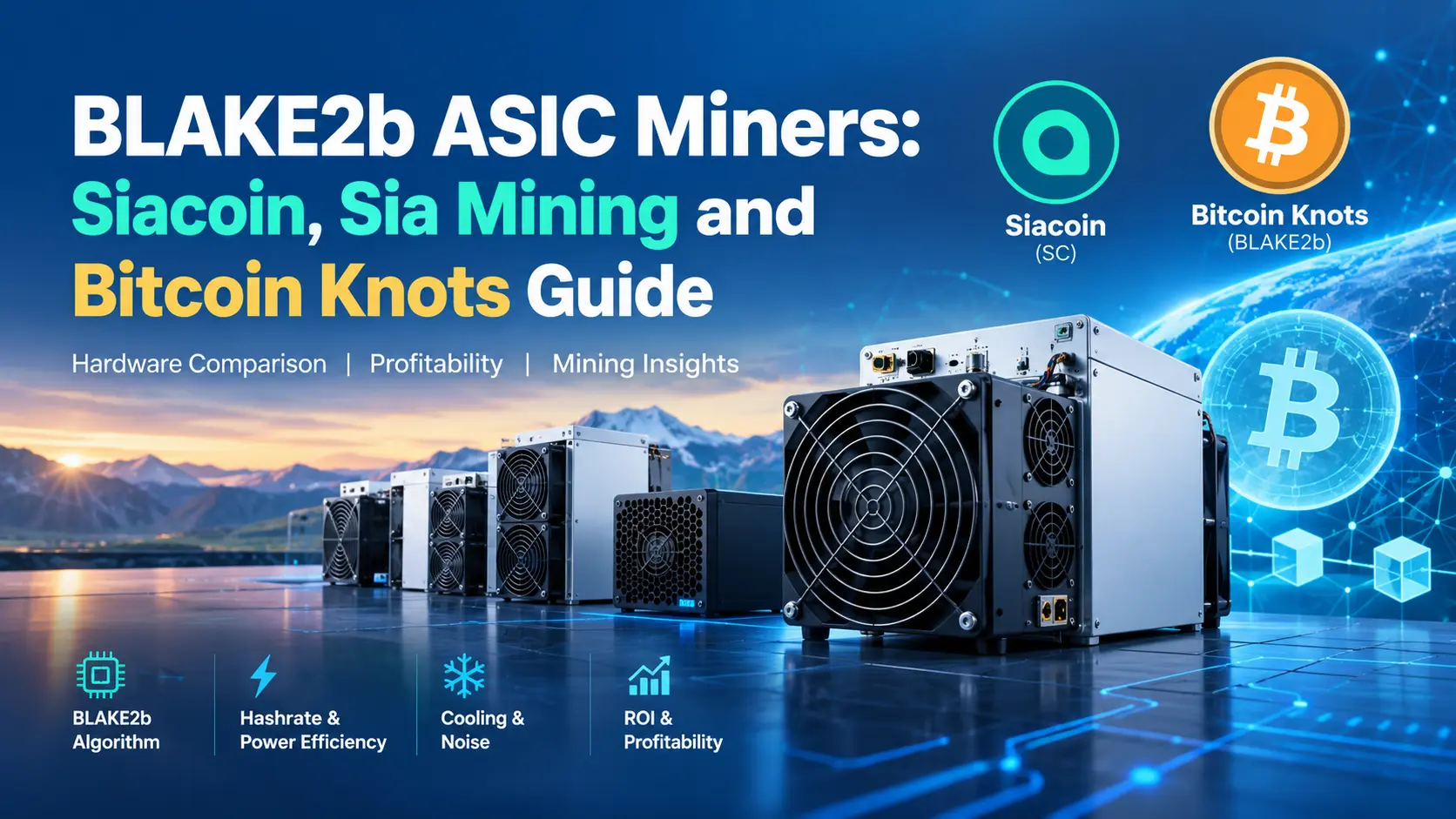
The ASIC mining market can change quickly when a major Proof-of-Work algorithm gains a new use case. For years, BLAKE2b ASIC miners were primarily associated with the Sia ecosystem, especially Siacoin (SC) and other Sia-family mining applications. That made BLAKE2b hardware a relatively specialized segment of the cryptocurrency mining market.
In 2026, however, BLAKE2b mining has gained renewed attention following the launch of the Bitcoin Knots BLAKE2b chain. The transition created a new mining environment in which compatible BLAKE2b and BLAKE2b-Sia ASIC hardware can potentially participate, giving existing Sia-oriented mining equipment another potential use case.
For miners evaluating a BLAKE2b ASIC miner, this development raises an important question: is the current market interest a short-term speculation cycle, or does BLAKE2b hardware have a sustainable role in cryptocurrency mining?
The answer depends on network conditions, electricity costs, miner efficiency, hardware pricing and the exact algorithm compatibility of each machine.
What Is BLAKE2b Mining?
BLAKE2b is a cryptographic hash function designed for high performance and strong security. In cryptocurrency mining, specialized implementations can be optimized for ASIC hardware, allowing miners to process large volumes of hashing operations much more efficiently than general-purpose CPUs or GPUs.
The important distinction for miners is that not every BLAKE2b implementation is identical.
Sia-related mining hardware is commonly marketed around the BLAKE2b-Sia algorithm. This means that miners should always confirm the exact algorithm, firmware support and pool compatibility before assuming that a particular ASIC can mine a newly launched BLAKE2b network.
This is especially important in 2026 because the Bitcoin Knots BLAKE2b chain introduced a new opportunity for compatible Sia-family ASIC hardware. Mining documentation for the chain specifically identifies BLAKE2b and BLAKE2b-Sia miners as supported hardware categories.
Why Bitcoin Knots Has Increased Interest in BLAKE2b ASICs
The biggest recent catalyst is the change implemented by Bitcoin Knots.
The BLAKE2b chain moved away from the traditional SHA-256d Proof-of-Work used by Bitcoin’s main mining ecosystem. According to current mining documentation, block 961639 was the final SHA-256d block and block 961640 was the first BLAKE2b block on the new chain.
This is significant for ASIC miners because SHA-256 ASICs cannot simply be redirected to a BLAKE2b network.
A SHA-256 Bitcoin miner such as a conventional Antminer S-series or WhatsMiner SHA-256 model is designed around a completely different hashing architecture. By contrast, BLAKE2b-compatible ASICs were already being manufactured for the Sia mining ecosystem.
This creates an unusual situation: hardware originally designed for Sia-related mining can potentially gain additional utility from a new BLAKE2b mining network.
That does not automatically mean every BLAKE2b miner is profitable. It simply means the addressable market for compatible hardware has expanded.
BLAKE2b ASIC Miners and the Sia Ecosystem
Before the recent Bitcoin Knots development, Siacoin mining was one of the primary reasons miners purchased BLAKE2b-Sia ASIC hardware.
Sia is a decentralized cloud-storage ecosystem in which blockchain technology and Proof-of-Work play a role in network security and token issuance. This established an existing market for specialized ASICs from manufacturers such as Goldshell and iBeLink.
For example, the iBeLink BM-S3 is marketed as a Siacoin BLAKE2B ASIC miner. Apexto lists the BM-S3 with a maximum hashrate of up to 19 TH/s and approximately 3100W power consumption, depending on the configuration.
This type of hardware illustrates why BLAKE2b mining is different from many emerging ASIC algorithms. Miners are not starting with a completely untested algorithm and waiting for manufacturers to develop suitable hardware. A mature hardware ecosystem already exists.
At the same time, miners should distinguish between BLAKE2b, BLAKE2b-Sia and other related implementations. Algorithm names alone are not sufficient to guarantee compatibility.
Popular BLAKE2b ASIC Mining Hardware
The BLAKE2b ASIC market includes several generations of dedicated mining machines. Depending on the model, miners can choose between high-hashrate units designed for commercial facilities and lower-power machines intended for smaller operations.
Typical models found in the Sia mining market include:
Specifications can vary by firmware, operating mode, production batch and market version. Always verify the latest specifications and availability before purchasing.
For example, Apexto’s current mining catalog includes multiple SC/SCP-compatible ASIC models, while its profitability calculator also provides live model comparisons that can be used as a starting point for evaluating operating costs.
Which BLAKE2b ASIC Is Best for Mining?
There is no single best BLAKE2b miner for every operation.
The right machine depends primarily on electricity price, available electrical infrastructure, cooling capacity, purchase price and expected mining revenue.
1. Commercial Mining Farms
Large-scale operators generally prioritize hash rate and energy efficiency.
A higher-output machine such as the iBeLink BM-S3 can make sense when a facility already has suitable 220V–240V infrastructure, adequate ventilation and competitive electricity rates.
However, purchasing the machine with the highest hash rate is not automatically the best investment. Operators should compare:
Daily revenue − electricity cost − pool fees − hosting and maintenance costs = operating profit
The calculation should then be compared against the purchase price and expected hardware lifespan.
2. Home and Small-Scale Miners
Home miners usually have different priorities.
A 3 kW ASIC may produce excellent hash-rate density but can also create significant heat, noise and electrical load. Compact machines such as the Goldshell SC Lite or SC Box II can therefore be more practical for hobby miners or smaller installations.
Before buying a home BLAKE2b miner, check the available circuit capacity, voltage, ambient temperature and ventilation.
A machine that looks attractive on paper can become expensive if the installation requires electrical upgrades or additional cooling.
Electricity Cost Is More Important Than Hashrate
One of the most common mistakes in ASIC mining is focusing only on TH/s.
For BLAKE2b mining, the more useful metric is the relationship between hashrate and power consumption.
For example, two miners may generate similar amounts of revenue, but the machine consuming several hundred additional watts can have a substantially higher operating cost over a full year.
At a continuous load of 3,100W, a miner uses approximately:
3.1 kW × 24 hours = 74.4 kWh per day
At $0.06/kWh, that represents approximately:
74.4 × $0.06 = $4.46 per day
before considering pool fees, hardware depreciation, cooling and other operating expenses.
This is why miners should calculate profitability using their actual electricity rate instead of relying on generalized online ROI estimates.
Cooling and Noise Should Not Be Ignored
BLAKE2b ASIC miners are high-performance computers. Almost all of the electricity consumed by the ASIC ultimately becomes heat.
A commercial miner operating at 3,000W is effectively producing roughly 3,000W of continuous heat.
That creates two major operational challenges:
- Temperature management
- Acoustic management
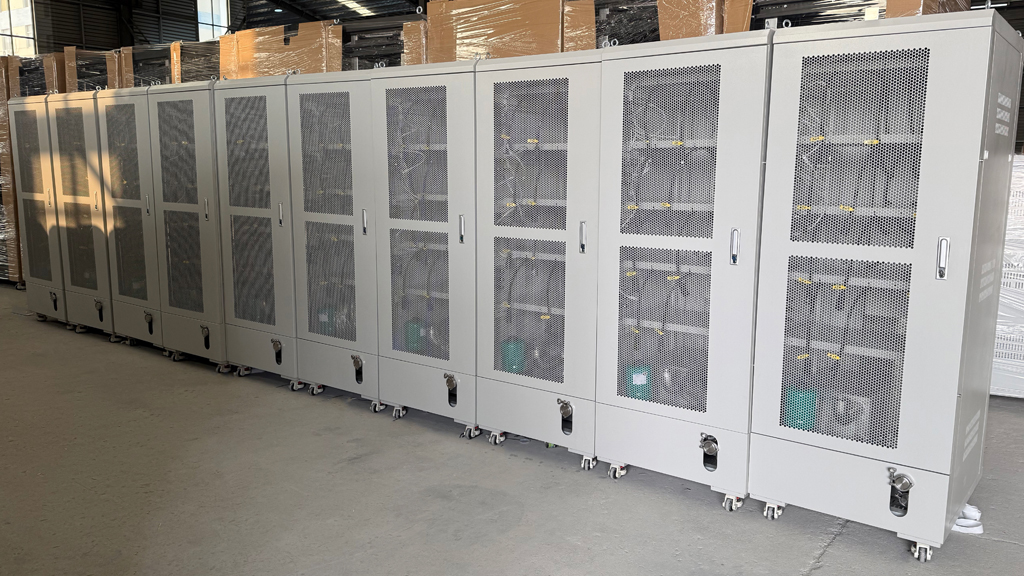
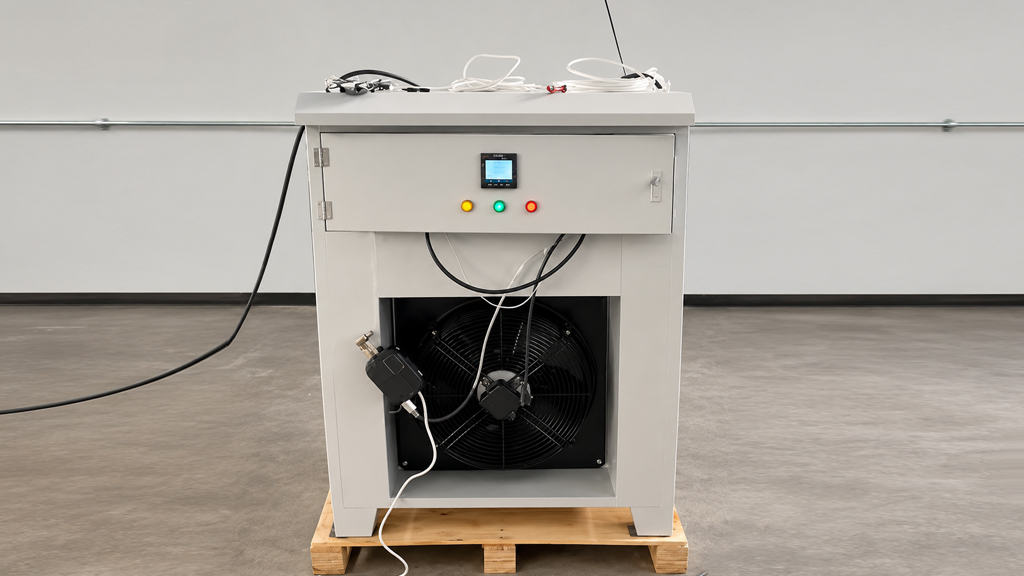
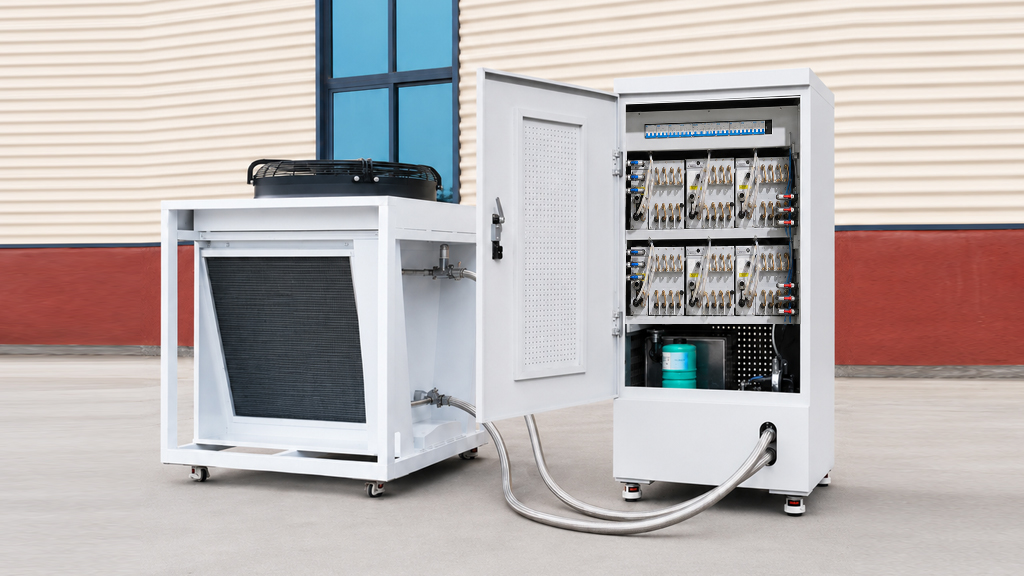
Industrial deployments can use dedicated ventilation, hot/cold aisle layouts or immersion and hydro-cooling systems. Smaller miners may require a separate room, ducting or other airflow management.
For miners planning a larger BLAKE2b deployment, cooling should be considered before purchasing the hardware rather than after the machines arrive.
Does the Bitcoin Knots BLAKE2b Chain Make Sia Miners More Valuable?
Potentially—but miners should avoid assuming that new demand automatically equals long-term profitability.
The Bitcoin Knots BLAKE2b network creates another potential destination for compatible BLAKE2b mining hardware. Current documentation states that BLAKE2b and BLAKE2b-Sia miners are supported, including Sia-style ASIC hardware such as the Goldshell SC5 Pro and SC Lite.
This creates an interesting secondary-market effect.
A miner that was previously evaluated only according to Siacoin mining economics may now have additional strategic value if it can participate in another compatible BLAKE2b network.
However, this should be viewed as algorithm optionality, not guaranteed profit.
Network difficulty can increase rapidly when new miners enter. Coin prices can decline. Mining rewards can change. Pool infrastructure can also evolve.
Smart miners therefore evaluate hardware based on multiple scenarios instead of relying on one projected ROI number.
What About ScPrime?
ScPrime is another project historically associated with BLAKE2b mining, making it relevant when researching Sia-family ASIC hardware.
However, miners should be particularly careful when evaluating SCP compatibility because its mining algorithm and hardware requirements have evolved over time.
Current ScPrime documentation describes its Proof-of-Work environment and ongoing algorithm changes, while current mining information also references ASIC hardware such as the Antminer DR7.
Therefore, do not assume that an ASIC advertised as a “BLAKE2b miner” will automatically provide the same profitability or compatibility across SC, SCP and the Bitcoin Knots BLAKE2b chain.
Always verify the exact algorithm implementation, firmware and supported pool before placing a bulk order.
How to Evaluate a BLAKE2b ASIC Before Buying
Before purchasing a BLAKE2b ASIC miner, use the following checklist:
Hashrate
Higher hashrate can increase your share of network rewards, but only when the additional power cost and purchase price are justified.
Power Consumption
Calculate the miner’s daily and monthly electricity requirements using your actual utility rate.
Efficiency
Compare energy efficiency rather than hashrate alone. A machine with lower TH/s can sometimes provide better economics if it consumes substantially less electricity.
Algorithm Compatibility
Confirm whether the miner supports BLAKE2b, BLAKE2b-Sia or the exact implementation required by your target network.
Firmware and Pool Support
Check whether the current firmware supports the mining pool and protocol you plan to use.
Cooling Requirements
Determine whether your facility can safely dissipate the miner’s heat.
Purchase Price
ASIC prices can change quickly as network profitability changes. A low-cost machine can sometimes outperform a newer machine from an ROI perspective if the acquisition price is sufficiently lower.
Final Thoughts: Is BLAKE2b Mining Worth Watching?
The renewed interest in BLAKE2b ASIC miners is more than a simple Siacoin mining trend.
BLAKE2b already has an established ASIC hardware ecosystem, particularly through Sia-related mining equipment. The emergence of the Bitcoin Knots BLAKE2b chain adds another potential use case for compatible hardware and gives miners a reason to reassess older and newer BLAKE2b ASICs.
For miners, the key opportunity is not simply “buy a BLAKE2b miner.”
The better strategy is to evaluate hardware flexibility, energy efficiency, network difficulty, electricity cost and algorithm compatibility together.
Whether you operate a commercial mining farm or a small home setup, choosing the right ASIC requires current data rather than a fixed ROI assumption.
If you are comparing iBeLink BM-S3, Goldshell SC6 SE, Goldshell SC5 Pro, SC Lite or other BLAKE2b ASIC miners, check the latest specifications, availability and pricing before ordering. Apexto Mining provides a range of cryptocurrency mining hardware and can help miners compare models based on hashrate, power consumption, deployment requirements and current market conditions.
The BLAKE2b mining market is evolving quickly. For miners who already understand the economics of ASIC mining, that makes this an algorithm worth watching closely.
 Bitmain Antminer
 IceRiver
 Whatsminer
 Canaan Avalon
 Goldshell
 Solo Miner
 Elphapex
 Volcminer
 Jasminer
 Pinecone
 Bitcoin
 Dogecoin
 Aleo
Aleo
 Kaspa
Kaspa
 ALPH
ALPH
 Nexa
Nexa
 ETC
ETC
 CKB
CKB
 Dash
Dash
 Kadena