

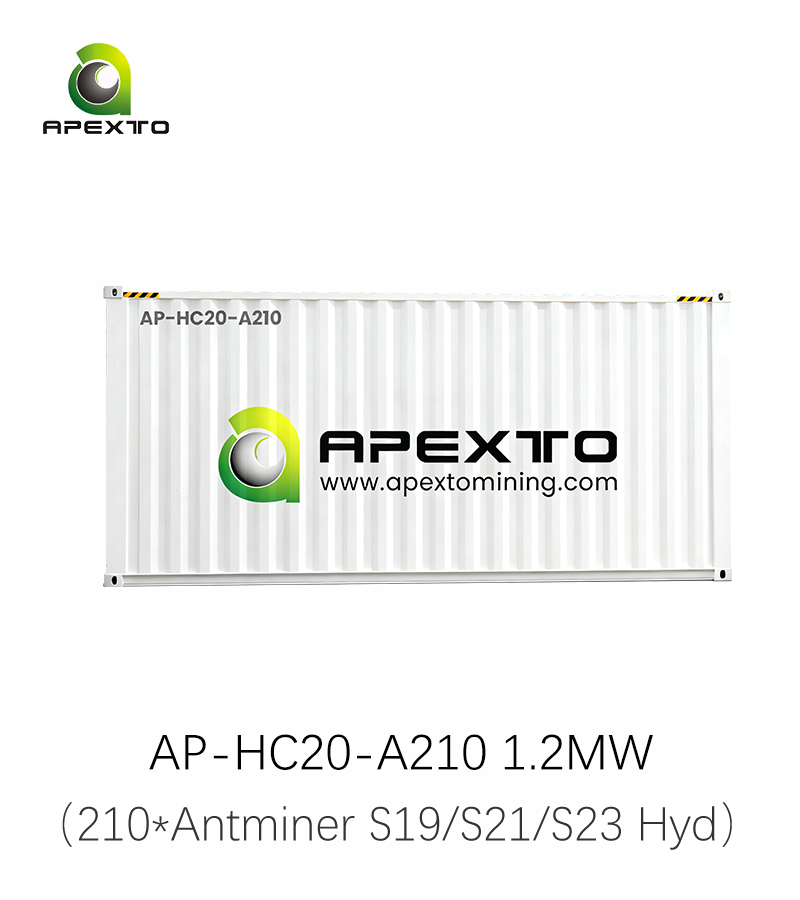
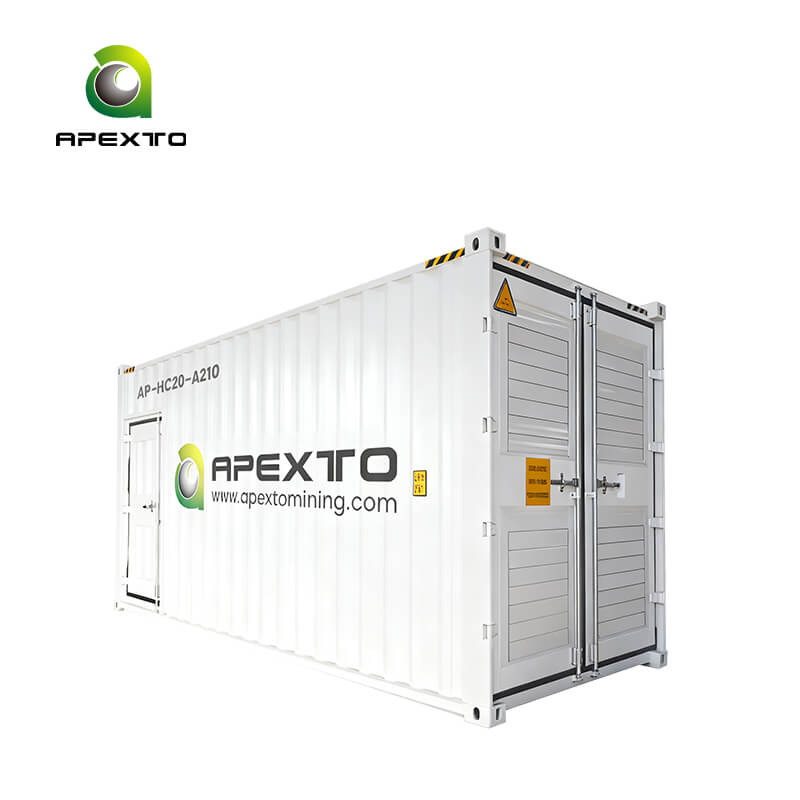
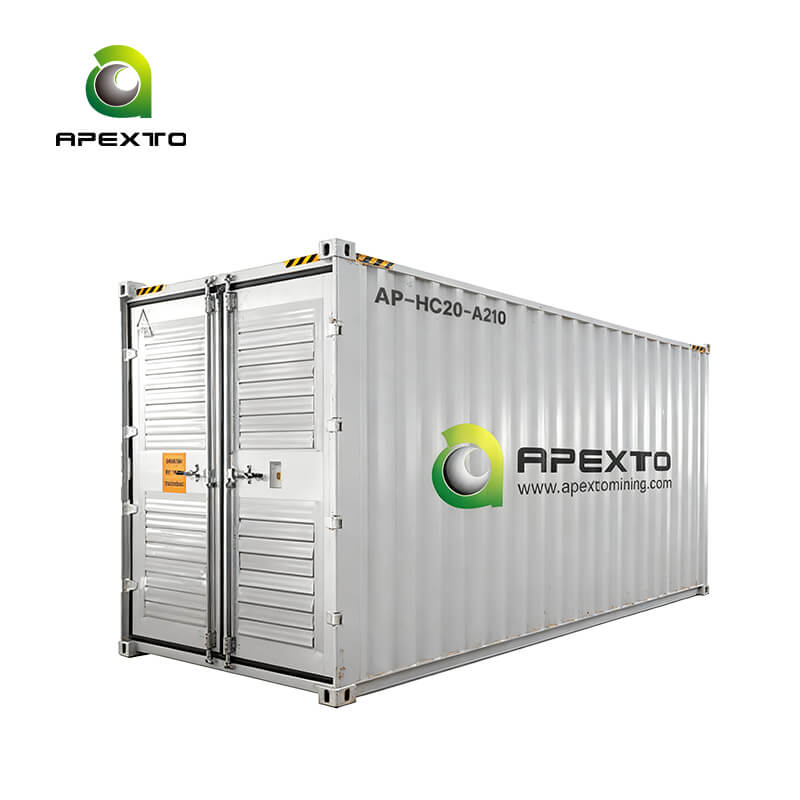
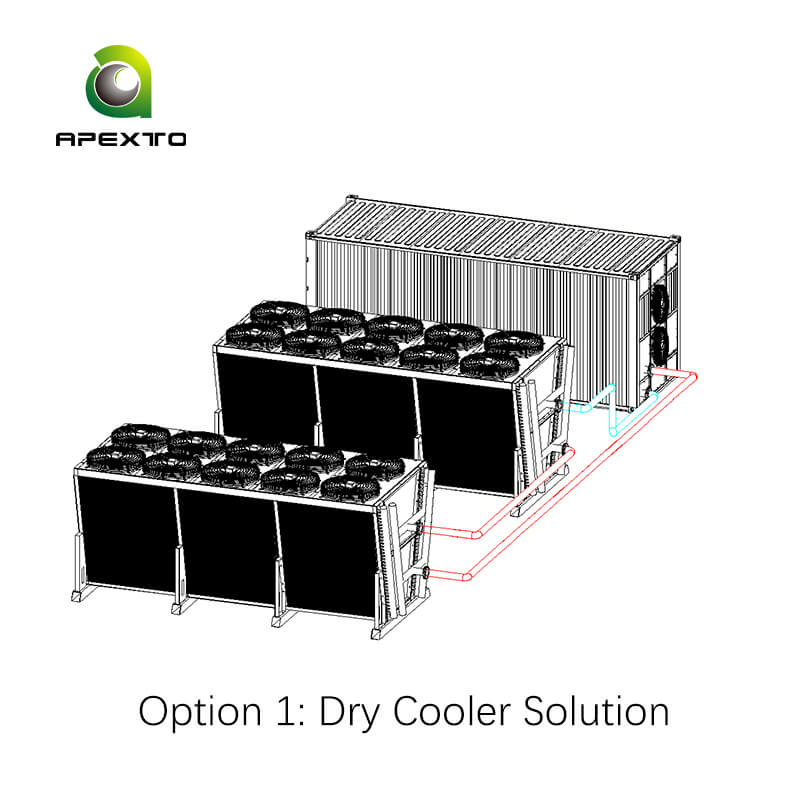
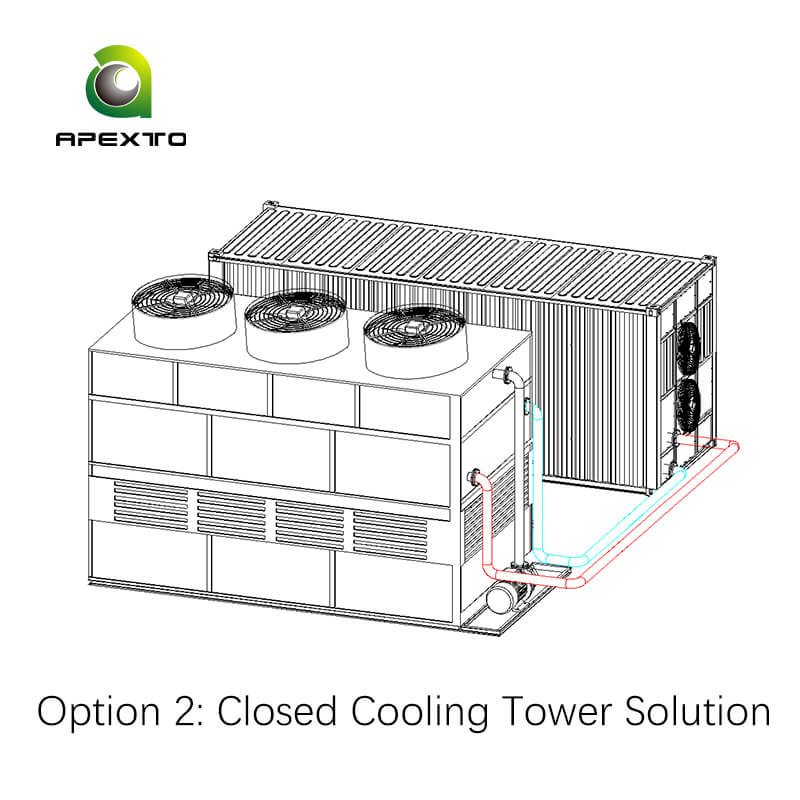
210槽分體式靈活模組化水冷解決方案
貨櫃容量
210 單位
滿載
1200 KW
持續用電負荷
定制配框
標準版
水電
熱管理
電源輸入
380V–415V 交流電 50/60Hz
可用性
通常交貨週期為 45 天 • 可提供 DDP 海運服務
查看更多 ›
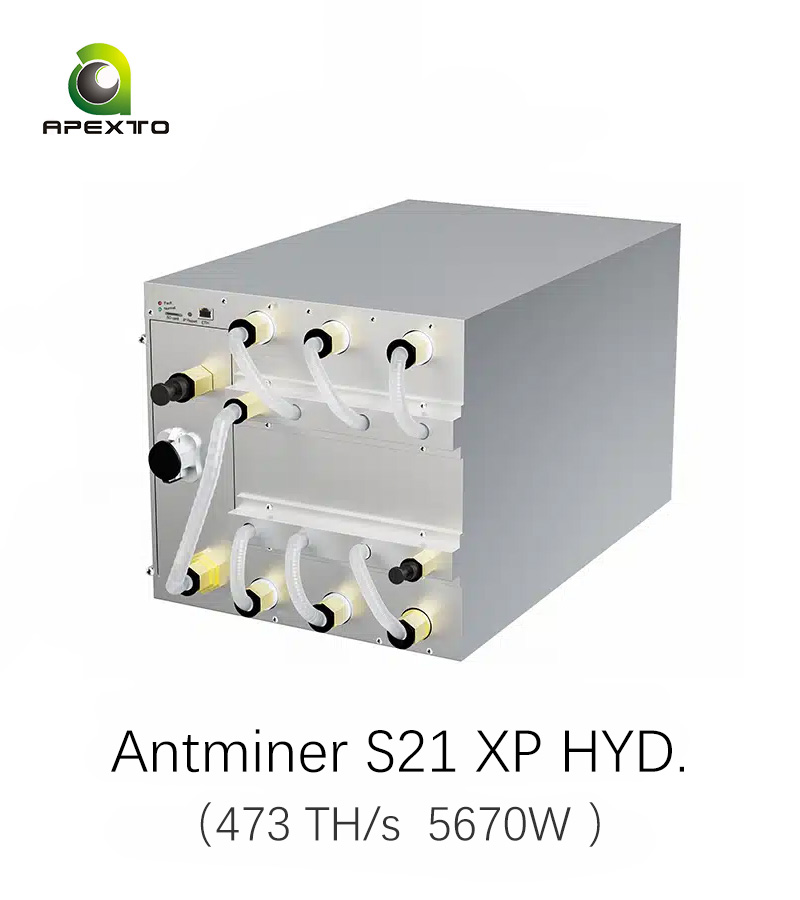
顯示更多 1 款車型
產品描述
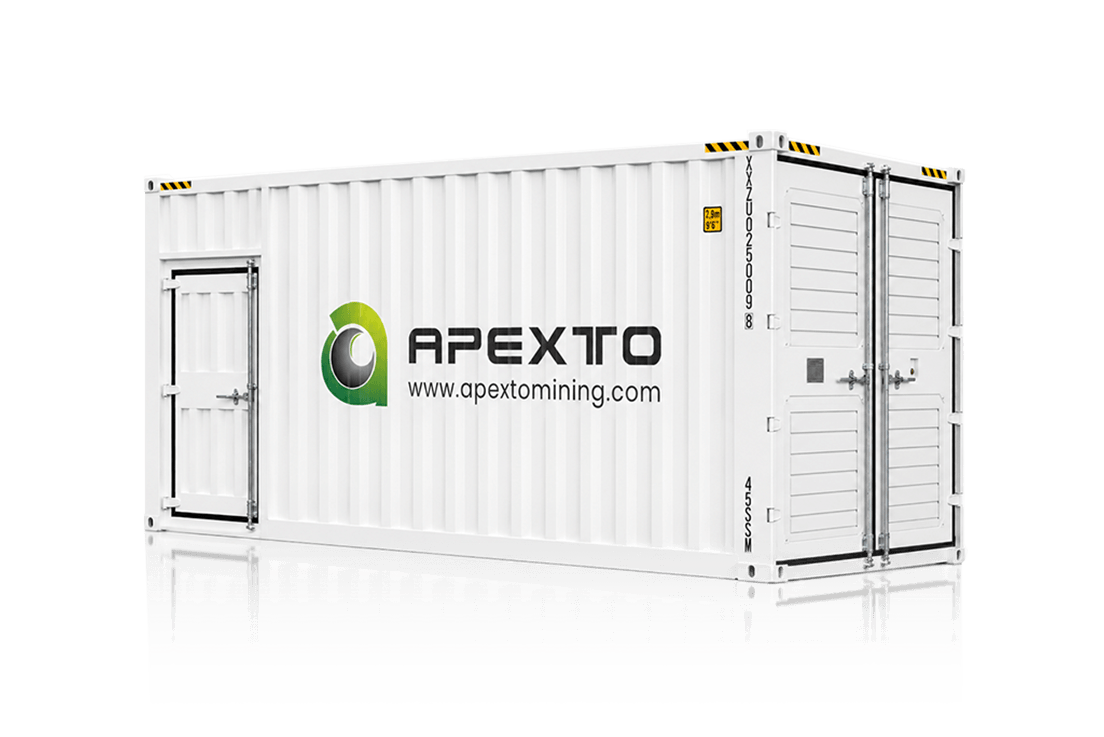
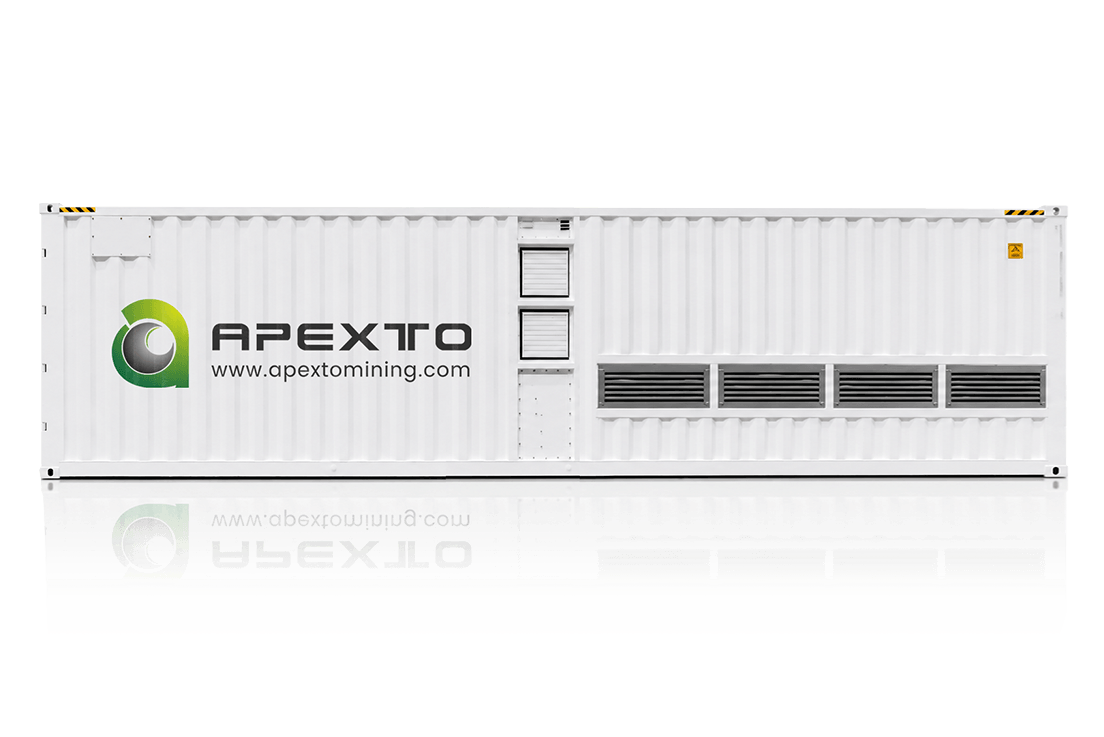
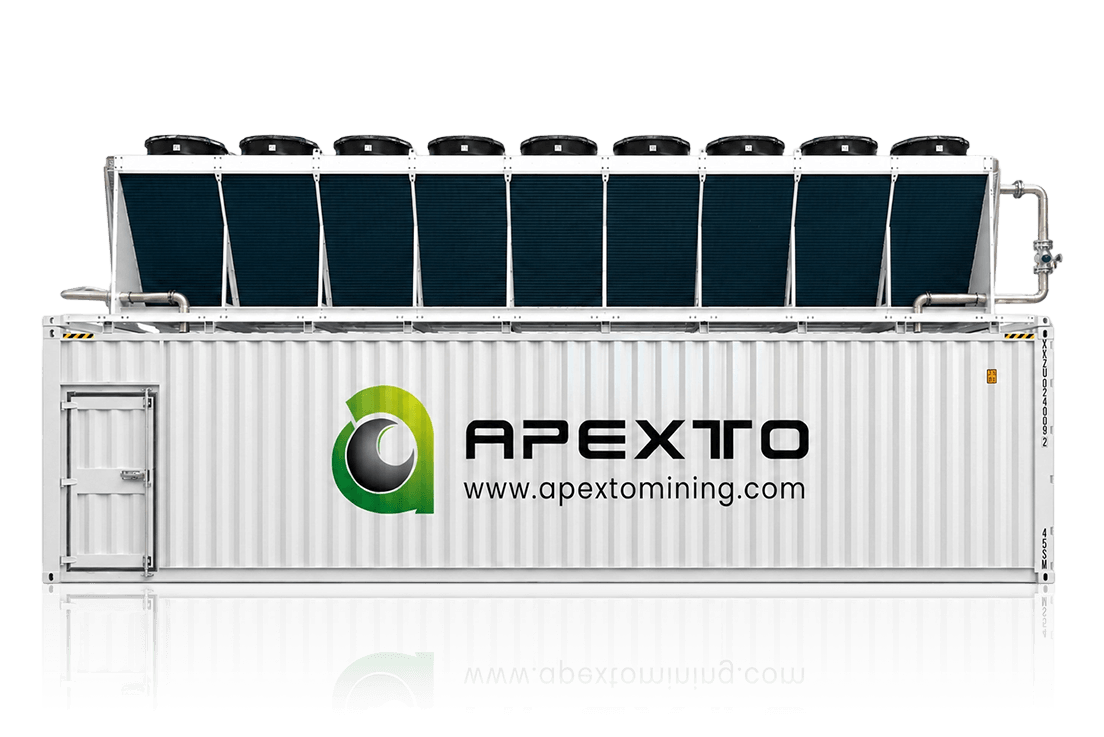
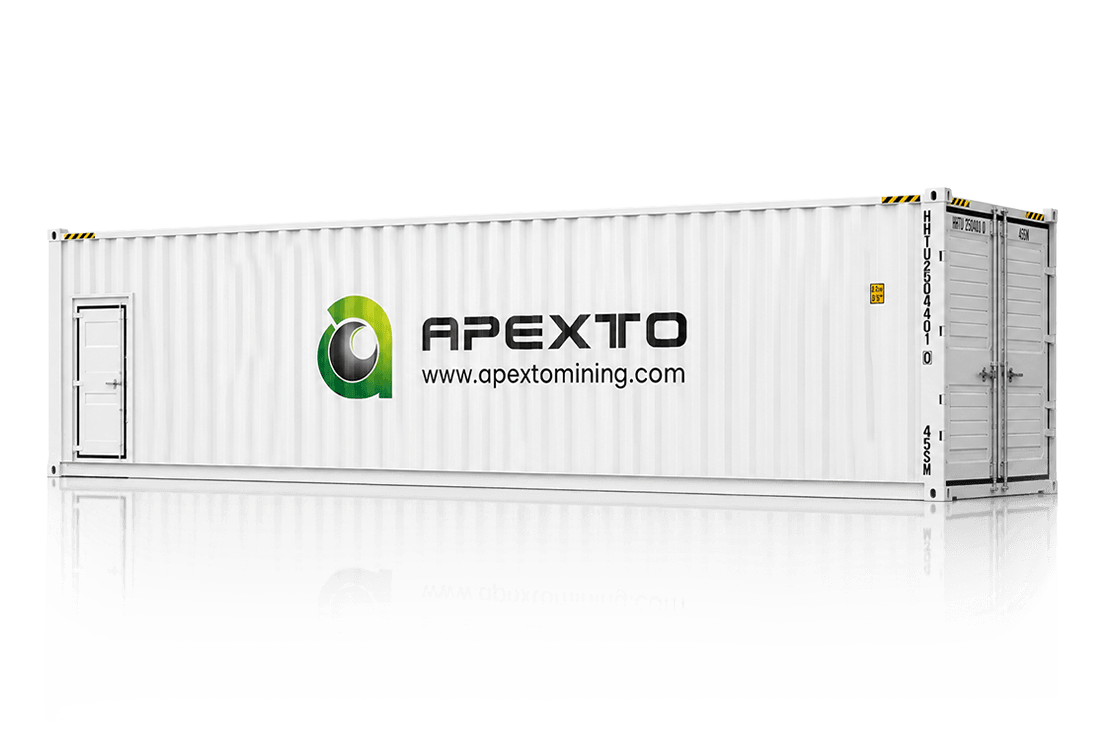
1.2MW 210槽分離式螞蟻礦機水冷挖礦貨櫃 20FT HQ 是一款專為加密貨幣礦場中的高密度比特幣挖礦而設計的頂級液冷解決方案。
它採用緊湊型機身,整合了電源分配系統和水循環控制系統,其分離式設計將外部水冷單元與機箱分離,從而最大限度地減少了物理佔用空間。
這種模組化架構非常適合不規則的礦場佈局,並允許使用乾式冷卻器或冷卻水塔進行客製化散熱。至關重要的是,它在長期可擴展性方面表現出色,使營運商能夠隨著比特幣挖礦能力的增長輕鬆升級或擴展液冷組件,而無需修改核心ASIC礦機箱。
核心優勢
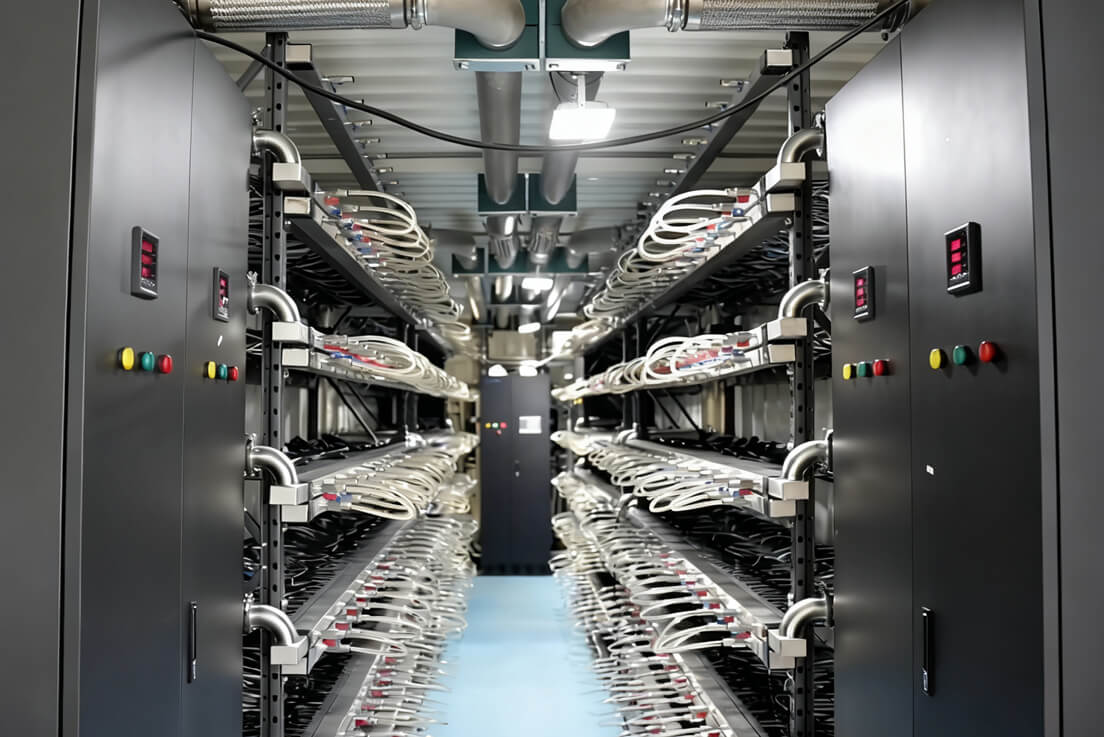
01 整合式一體化系統
將機架、CDU、電源櫃和控制單元整合到一個容器中,以實現快速即插即用部署。
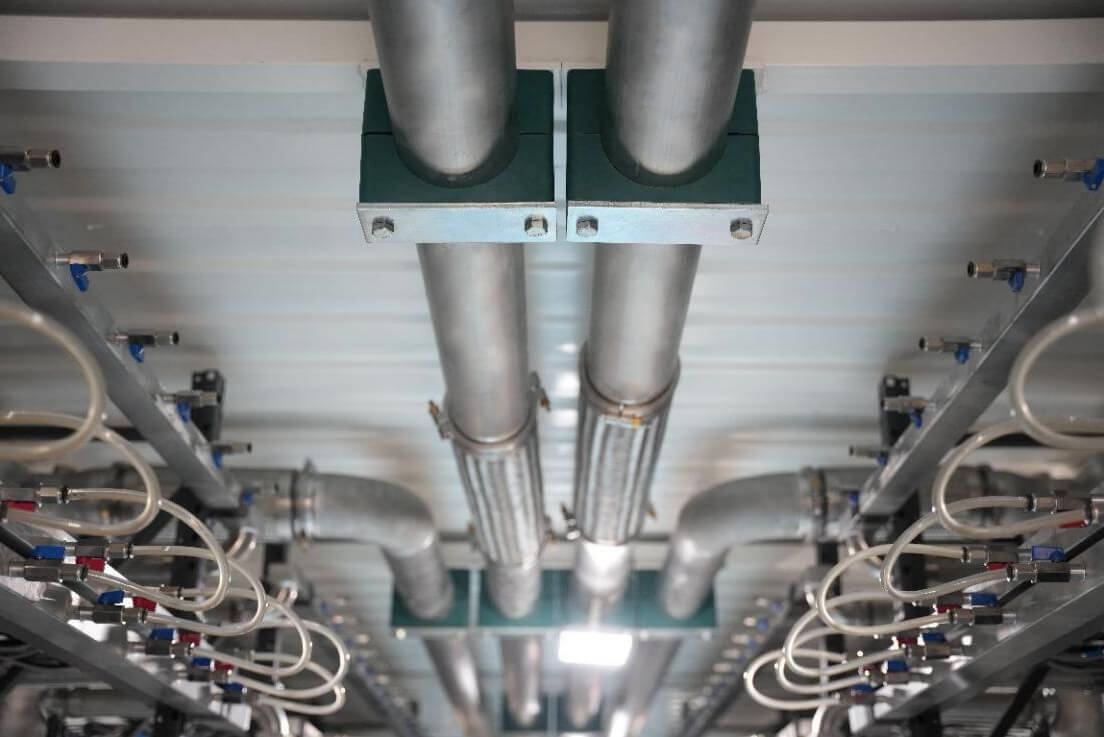
02 冗餘雙迴路冷卻
採用雙迴路、雙 CDU 和多通道供電,確保在部分斷電期間持續可靠的冷卻。
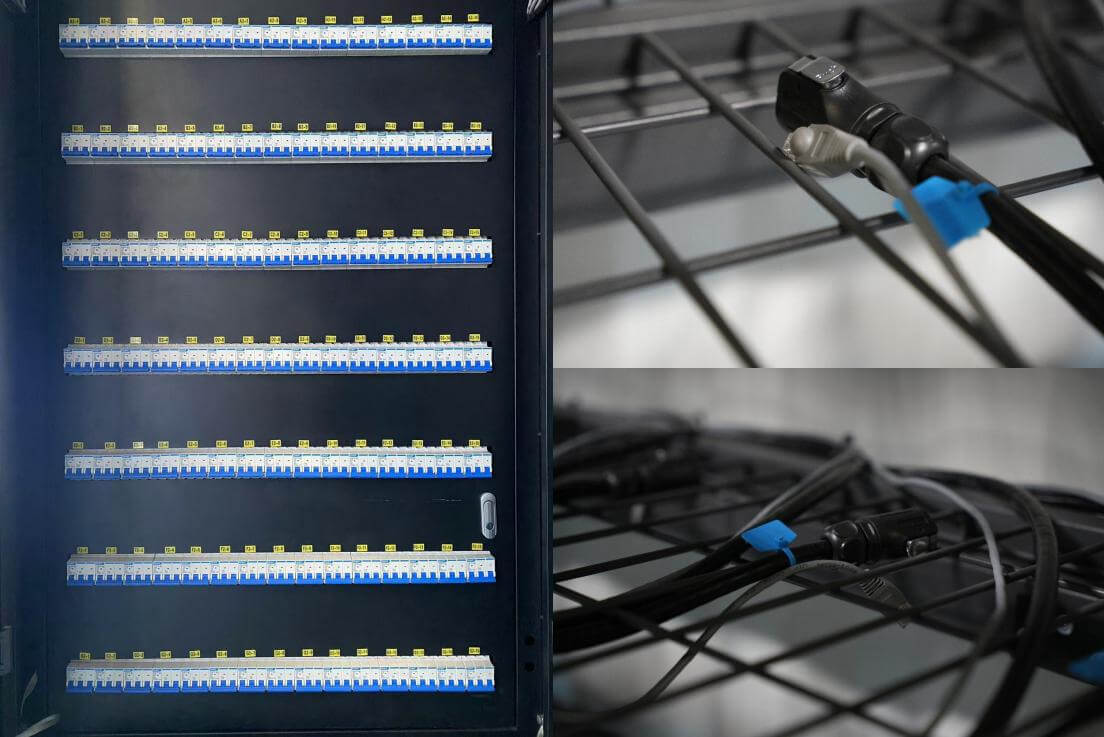
03 獨立電源開關
為每台礦機配備一個獨立的開關,因此可以在不中斷運作的情況下對單一設備進行安全維護。
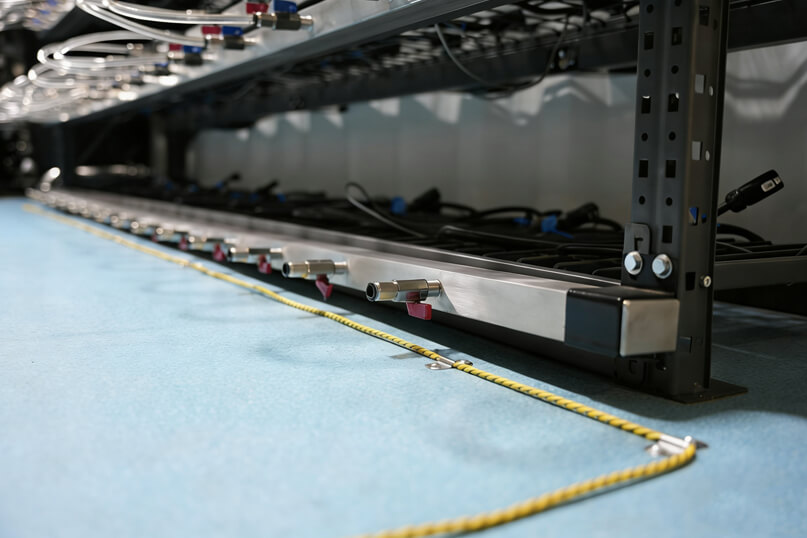
04 洩漏檢測系統
利用濕度感應繩即時檢測冷卻液洩漏並觸發警報,防止損壞並確保安全。
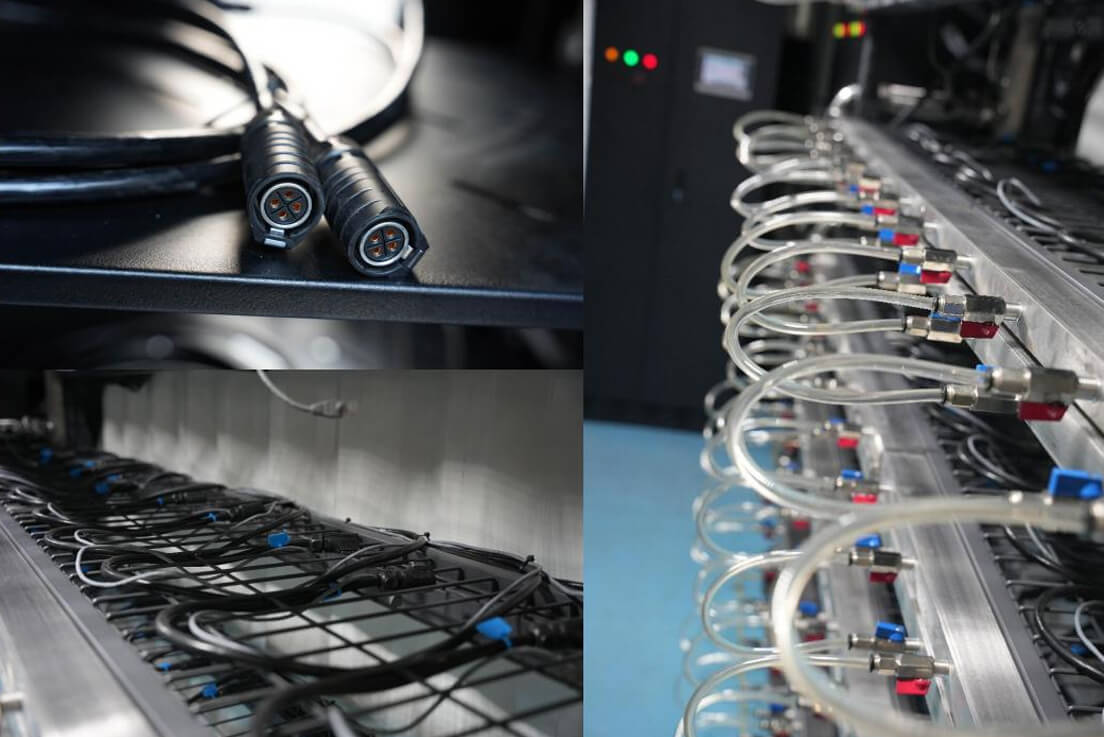
05 高級工程細節
採用供應商認證的航空插頭、加強的網格面板和耐用的 304 不銹鋼歧管,並配有球閥。
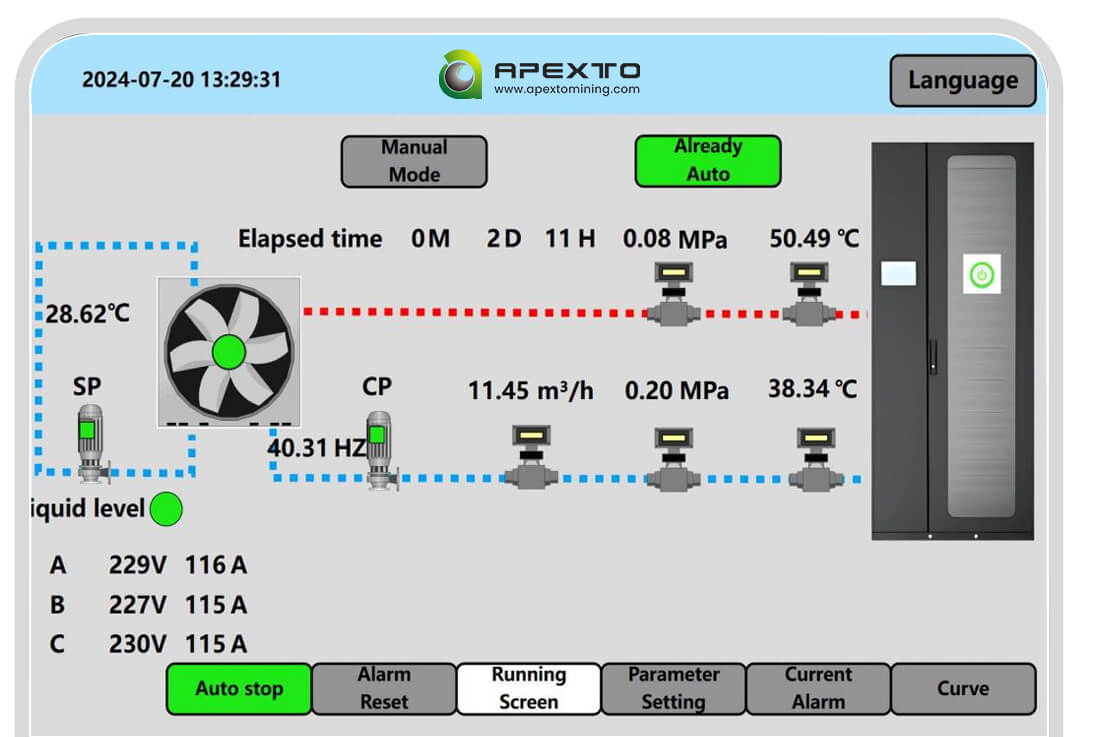
06 智慧管理系統
透過多感測器陣列監控流量、壓力和溫度,實現即時遠端控制和移動/PC警報。
完整規格
外形尺寸
長:6058毫米、寬:2438毫米、高:2896毫米
內部尺寸
長:5860毫米、寬:2348毫米、高:2720毫米
重量
4980KG
型號 | AP-HC20-A210 | 安裝容量 | 210個座位 |
已安裝功率負載 | 1155千瓦 | 輕型立式多級幫浦的功率 | 30千瓦 |
補液幫浦的功率 | 0.2千瓦 | 乾式冷卻水塔風扇的總功率 | 49.8千瓦 |
閉式冷卻水塔風扇的總功率 | 16.5千瓦 | 閉式冷卻水塔噴淋幫浦的總功率 | 4千瓦 |
系統管道壓力 | 0.2-0.4兆帕 | 系統的工作溫度範圍 | 22-42℃ |
單一機器的冷卻液循環需求 | ≥0.5立方公尺/小時 | 系統內循環冷卻劑的總需求量 | ≥2.2立方米 |
塑殼斷路器 | 125A | 漏電斷路器 | 630A |
接觸 | 9A | 中間繼電器 | 24V |
CUL認證的變頻器 | 380V |

認證標準
我們的產品符合國際領先的安全、可靠性和性能標準。

中國船級社
海洋及近海合規性

UL上市
經過安全測試和認證

CSA認證
北美洲合規性

CE標誌
歐洲合格評定
完整的冷卻解決方案
我們為各種規模的設備設計和製造全系列的水冷解決方案,從水冷櫃和容器到常溫乾燥裝置和乾式冷卻器。
來自真實礦工的真實結果
看全部 >>
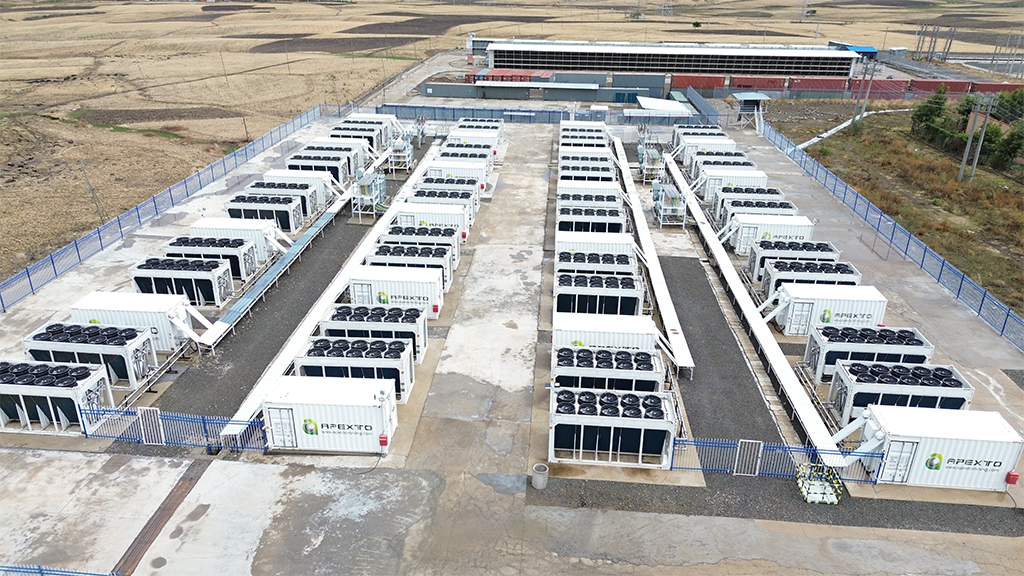
12 x 1.2兆瓦水電項目
在乾燥沙漠氣候下實現無水永續採礦。
+ 28%
效率增益
-23%
能源成本
1.2萬美元
能源成本
看全部>>
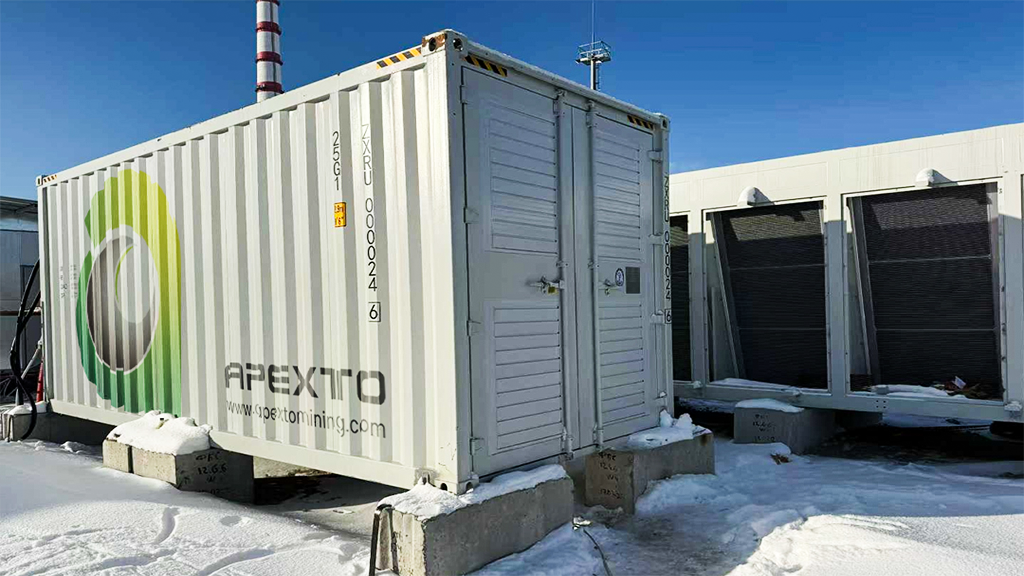
8 x 1.2兆瓦水電項目
在嚴寒的冬季保持穩定的保溫性能。
+ 100%
準時啟動
-25%
設置時間
系統可靠性
看全部>>
“不"
“阿布達比嚴格的水資源法規禁止使用濕式冷卻塔。這種模組化分離式貨櫃使我們能夠輕鬆部署乾式冷卻器,確保在沙漠地區實現合規、高效的運行。”
— 阿布達比綠色礦業基礎設施副總裁
“在卡加利嚴寒的冬季運營是我們最大的擔憂,但這套分離式系統順利應對了寒冷氣候。它使我們的晶片溫度在整個冬季保持高度平衡和穩定。”
加拿大卡加利礦區營運與維修總監
1.2+ GW
累計冷氣能力
50+
涵蓋的國家和地區
210槽螞蟻礦機水冷容器常見問題解答
Yes. The container provides 210 dedicated miner positions and is designed as a 1.2MW-class Hydro mining system for compatible Antminer Hydro miners.
The final full-load configuration is matched to the exact miner model and operating power before deployment, ensuring the total electrical and cooling load remains within the system design capacity.
The split design keeps the mining racks, power distribution, CDU, and controls inside the compact 20FT container while placing the final heat-rejection equipment outside.
This reduces the main container footprint and gives operators more freedom to position dry coolers or cooling towers according to the actual site layout. It also makes future cooling upgrades easier without rebuilding the miner container.
The main requirements are sufficient 380–415V three-phase electrical capacity, a suitable foundation for the container and external cooling equipment, clear routing for cooling pipes and electrical connections, and network access for system monitoring.
Planning these items before delivery helps reduce on-site construction work and speeds up commissioning.
The system uses dual cooling loops, dual CDUs, and multi-channel power architecture to provide cooling redundancy.
This design reduces the risk that a single cooling-side failure will stop the entire 210-miner deployment and improves serviceability for continuous mining operations.
Yes. Each miner position has an individual power switch, allowing a single miner to be powered down for inspection, replacement, or maintenance without stopping the other operating miners.
This is especially important in a 210-miner container because routine miner maintenance does not need to become container-wide downtime.
Moisture-sensing ropes are installed to detect coolant leakage and trigger an alarm when abnormal moisture is detected.
The intelligent control system also monitors coolant flow, pressure, and temperature, allowing operators to identify cooling abnormalities remotely before they develop into larger system problems.
No. Site electrical planning should include the miner load plus the cooling and auxiliary equipment.
The container uses circulation pumps, controls, and external heat-rejection equipment. Auxiliary power requirements also differ between dry-cooler and cooling-tower configurations, so the complete site electrical capacity should be calculated before deployment.
Yes. This is one of the main advantages of the split-type architecture.
The external heat-rejection system is separated from the core mining container, so cooling capacity can be expanded, replaced, or reorganized as the mining farm grows without replacing the complete miner container. This makes the system suitable for phased MW-scale expansion.


