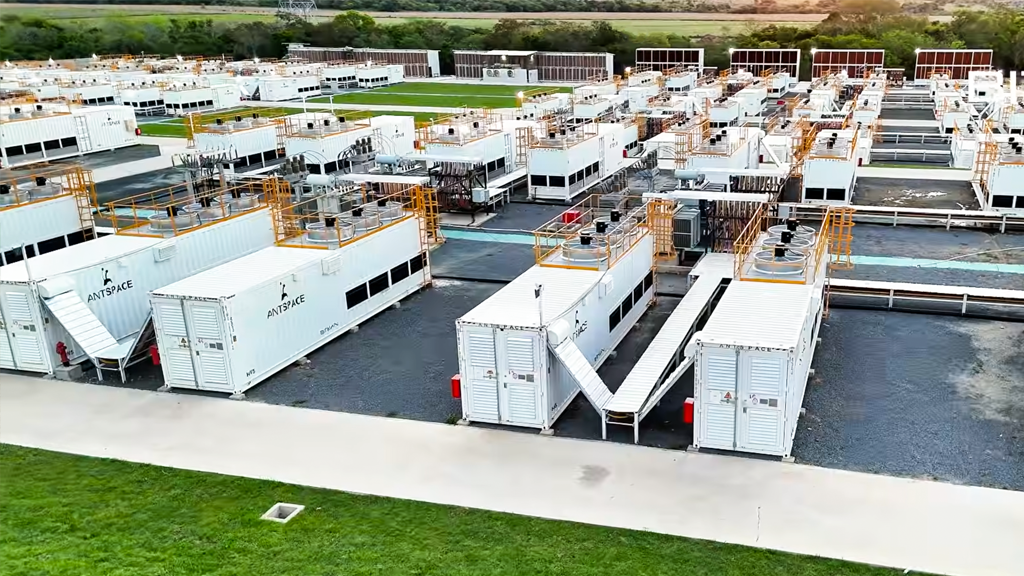
讓我們消除噪音。
You’ve heard the term: 密碼學開發. Maybe you saw a headline about Bitcoin using “as much energy as a small country.” Or a friend said, “I’m mining Ethereum on my gaming PC.” Or you read that “miners keep the network secure” — and wondered: secure from what? And why should I care?
You Don’t Need to Mine to Use Crypto — But You Do Rely on It
First: you will almost certainly never mine yourself. That’s fine — and it’s by design.
Mining isn’t like installing an app or signing up for a newsletter. It’s running industrial-grade hardware 24/7, managing cooling, negotiating power contracts, and staying ahead of firmware updates. It’s a full-time infrastructure business — not a hobby.
但這就是什麼 is true for you:
- Every time you send Bitcoin, your transaction gets verified by miners.
- Every time you check your balance on a blockchain explorer, that data comes from a ledger secured by miners.
- Every time you trust that your $5,000 in BTC hasn’t been quietly erased or duplicated, that trust rests on the fact that no single person or company controls the system — and changing it would cost more than it’s worth.
總之: You don’t mine — but your crypto only works because others do.
Think of it like electricity. You don’t generate your own power. You flip a switch — and it’s there. You don’t need to know how turbines spin or how grids balance load. But if you want to understand why your lights stay on during a storm, or why your bill went up last month, you do need to know something about the system behind the socket.
That’s what this is: your guide to the system behind the crypto.
所以呢 Is 礦業?
Imagine a global, public notebook — the blockchain — where every Bitcoin transaction is written down: “Alice sent 0.25 BTC to Bob,” “Carlos paid 0.01 BTC for coffee,” etc.
Now imagine there’s no boss, no editor, no central office telling everyone what goes in the book. Anyone can write — but only verified pages get added.
Mining is how those pages get verified — and how new pages get created.
Here’s how it works for 您的回饋。:
✅ Step 1: You Send a Transaction
You open your wallet, enter Bob’s address, type “0.25 BTC,” hit send. Your phone or laptop broadcasts that request to the network.
It doesn’t go to a bank. It goes to thousands of computers — called 節點 — all running the same software. One of them (a miner) picks it up and puts it in a temporary waiting area — like a digital inbox.
✅ Step 2: Miners Bundle Requests Into a “Page”
Every 10 minutes (on average), a miner takes dozens or hundreds of pending transactions — yours included — and groups them into a candidate “page” (a block).
They also add two critical things:
- 參考 最後一頁 in the notebook (so the chain stays unbroken),
- And a random number they’ll keep changing until something clicks.
✅ Step 3: They Run a Simple, Brutal Test
The miner feeds that entire page — transactions + reference + random number — into a math function called a 哈希. The output is a fixed-length string of letters and numbers — like a7f9e2c1...
The rule? The hash must be smaller than a target number set by the network. That target is so tiny that finding a matching hash is like rolling a die with 10²¹ sides — and needing to land on “1”.
So the miner changes the random number again. And again. And again — billions of times per second.
This isn’t “solving math.” It’s 揣測。 快速地。
✅ Step 4: Someone Wins — and Everyone Checks
When a miner hits the right number, they broadcast the solution: “Here’s the page, and here’s the magic number that makes its hash small enough.”
Every other computer on the network runs that same hash 一次 — and instantly confirms: yes, it’s valid. No cheating. No debate.
That’s the beauty: verification is trivial. Finding the answer is hard. That imbalance is what makes the system secure.
✅ Step 5: The Page Gets Added — And the Winner Gets Paid
Once confirmed, the page is added to the notebook. Your transaction is now part of the permanent, unchangeable record.
And the miner who found the answer? They get paid — in two ways:
- 新硬幣: Bitcoin currently rewards them with 3.125 freshly minted BTC (this amount halves roughly every 4 years),
- 您的費用: The small amount you chose to pay for priority. If you set it too low, your transaction might wait longer — but it won’t disappear.
That fee isn’t profit for a corporation. It’s direct compensation to the people keeping money safe.
為什麼要 您 Care About This Process?
Because mining answers the three questions that keep every crypto user awake at night:
❓ “Can someone steal my coins?”
Yes — if they get your private key. But 沒有, they cannot rewrite history to say “Dannie sent all her BTC to me yesterday.” To do that, they’d need to redo every single page added since your last transaction — and do it faster than the rest of the network adds 新 pages. With today’s hash rate, that would take more computing power than exists on Earth.
Mining makes theft-by-fraud astronomically expensive. It doesn’t stop phishing or malware — but it 不 make the ledger itself untouchable.
❓ “Is this just a scam or a bubble?”
A bubble inflates and pops. A scam collapses when exposed. Bitcoin has done neither — for 17 years. Its longevity isn’t luck. It’s the result of a system where honesty is the cheapest strategy. Miners earn more by following the rules than by breaking them. That economic alignment — baked into the code and enforced by real-world hardware — is what gives Bitcoin its resilience. You don’t have to believe in “digital gold.” You just need to recognize that something this hard to break, for this long, is doing something right.
❓ “Isn’t this terrible for the planet?”
It’s a fair question — and the answer is more nuanced than headlines suggest.
Yes, mining uses electricity. But so does cloud storage, video streaming, and global banking. The difference? Mining’s energy use is visible, measurable, and increasingly green.
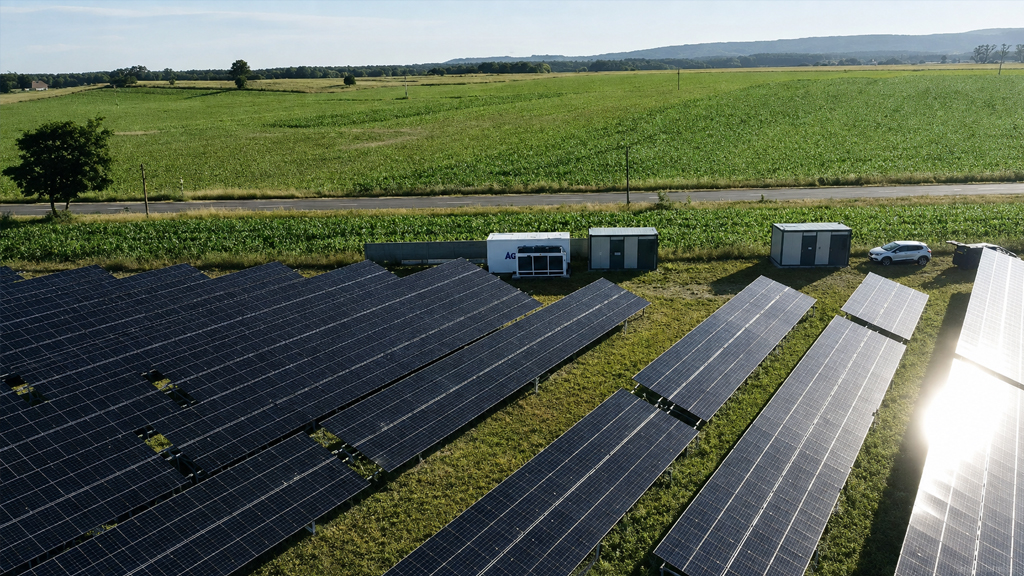
Over half of Bitcoin’s power now comes from renewables — hydro, wind, solar, and even captured flare gas (which would otherwise vent methane, 80x more harmful than CO₂). Mining doesn’t 原因 emissions — it 套利 them. It moves to cheap, clean, or wasted energy — turning waste into security.
For you, that means: the environmental cost of holding Bitcoin isn’t static. It’s dropping — and it’s tied directly to real-world progress in clean energy.
What Has 變 — And What Hasn’t
You may have heard: “Ethereum switched to staking — so mining is dead.” That’s misleading.
Ethereum changed 其自身 consensus — not mining’s purpose. Think of it like two different roads to the same city:
- Bitcoin’s road (PoW): Security via massive, distributed computation. High energy use — but proven, simple, and extremely hard to attack.
- Ethereum’s road (PoS): Security via financial commitment. Validators lock up ETH — and lose it if they cheat. Much lower energy use — but introduces new assumptions (e.g., “what happens if 60% of staked ETH is controlled by one entity?”).
Neither is “better.” They’re trade-offs — and 您的回饋。 benefit from both existing. Bitcoin proves that decentralized money can survive decades of scrutiny. Ethereum proves that smart contracts can scale without melting the grid.
What hasn’t changed? The core idea: trust must be earned, not assumed. Whether you earn it by burning electricity or locking up capital, the goal is the same — to make lying more expensive than telling the truth.
What Mining 真 Means for Your Wallet, Your Decisions, and Your Perspective
At the end of the day, mining isn’t about hardware specs or hash rates. It’s about risk allocation.
When you hold Bitcoin, you’re not trusting a CEO, a government, or a whitepaper. You’re trusting a global network of strangers — each acting in their own self-interest — to collectively uphold a shared rulebook. Mining is the mechanism that aligns those interests.
這意味著:
- Your security isn’t theoretical. It’s priced — in dollars per kilowatt-hour, in ASIC efficiency, in geographic distribution. You can 看到 it on dashboards like Blockchain.com’s hash rate map.
- Your fees aren’t arbitrary. They’re market-driven. Low traffic? Fees drop. Network congestion? They rise — but you always choose how much to pay. No hidden charges. No surprise bills.
- Your belief isn’t blind faith. It’s backed by observable, verifiable work — happening right now, across six continents.
So the next time you hear “mining,” don’t picture a dusty server room or a sci-fi energy drain. Picture this instead:
A quiet, continuous hum — somewhere in Iceland, Texas, or Kazakhstan — of machines doing one thing, over and over: proving that your money is yours. Not because someone says so. But because the math says so. And the world’s most powerful computers agree.
That hum is your insurance policy. It’s not flashy. It’s not instant. But it’s real.
And for anyone who’s ever handed cash to a stranger and hoped it wouldn’t vanish — that’s worth paying attention to.
關於艾達
我是 Apexto Mining 的資料分析師,自 2017 年以來一直從事加密貨幣挖礦行業。我的工作重點是分析 ASIC 礦機的性能、散熱效率和挖礦收益,尤其是在水冷和浸沒式冷卻環境下。我參與技術研究和內容創作,包括撰寫部落格文章和有關挖礦硬體及基礎設施優化的教育材料。我還與工程和銷售團隊緊密合作,將技術數據轉化為對客戶和合作夥伴切實可行的見解。我相信挖礦技術應該以清晰透明的方式進行溝通,並以真實數據和可衡量的性能為支撐。工作之餘,我喜歡瑜珈、閱讀和旅行。
查看艾達的所有帖子相關文章
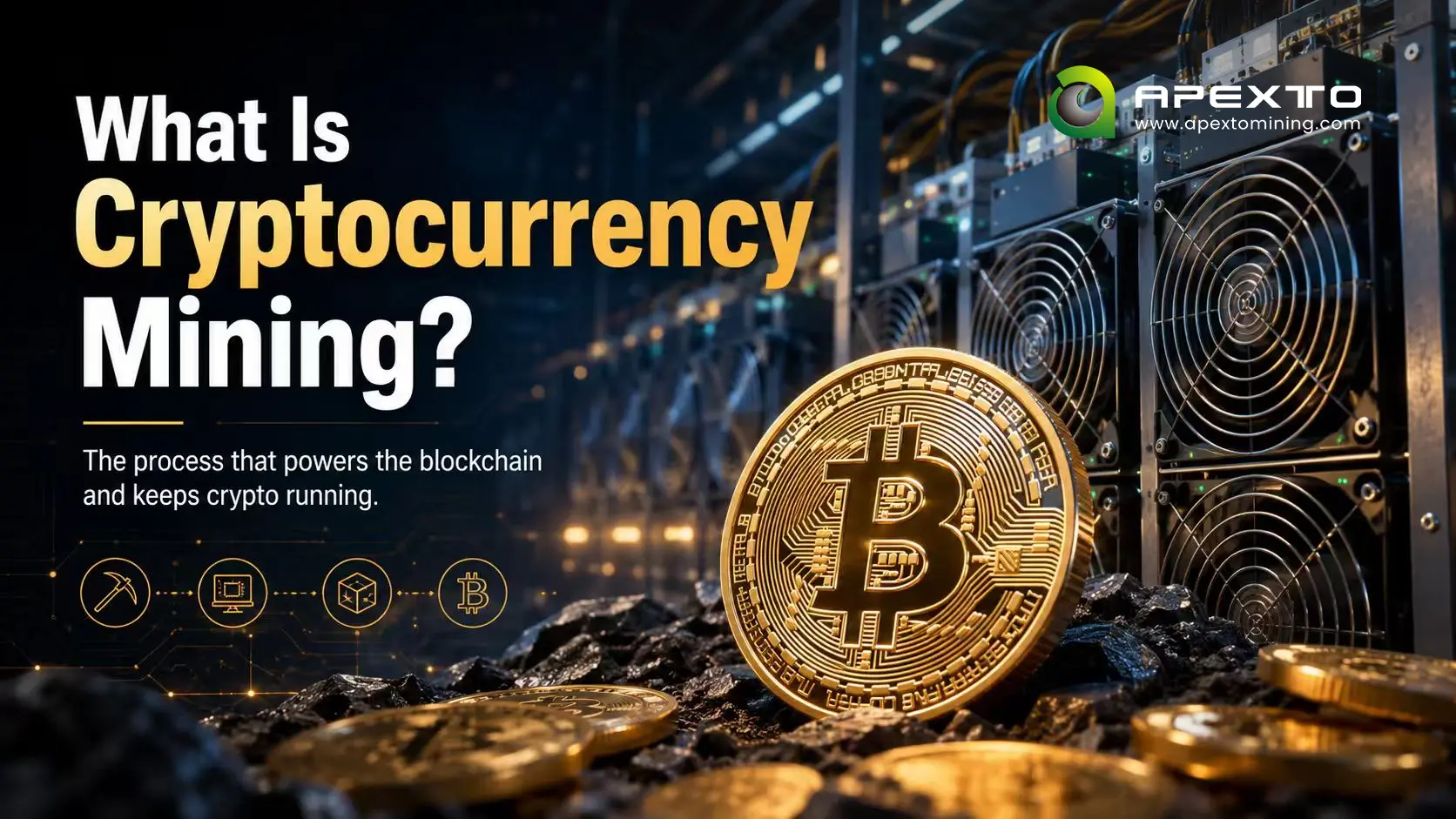
What Is Cryptocurrency Mining?
2026 年硬體生存指南:在德國高成本市場中運行獲利的比特幣和 Scrypt 挖礦
搜尋部落格
最新動態
媒體諮詢,請聯繫
info@apexto.com.cn