In advanced computing environments — whether in enterprise datacenters, industrial facilities, or high-density cryptocurrency mining farms — a server rack plays a foundational role in organizing, protecting, and optimizing equipment. For modern hydro cooling mining systems such as those showcased on Apexto Mining, understanding server racks and rack systems helps mining operators plan better cooling, power distribution, and scalability.
1. Server Rack Defined: Beyond a Metal Frame
A server rack is a standardized metal structure designed to mount electronic equipment in a vertical layout. It is commonly used to house servers, switches, storage units, power distribution units (PDUs), and cooling equipment.
In crypto mining, especially in hydro-cooled setups, a server rack can also serve as the backbone of modular miner deployment, providing structural support for miners, coolant plumbing, monitoring systems, and cable management.
Standard rack measurements — such as the familiar “19-inch rack” and vertical space measured in “Rack Units (U)” — ensure interoperability across equipment from different vendors.
2. Why Server Racks Matter in Hydro Cooling Mining
Hydro cooling, also known as liquid cooling, uses fluids to remove heat from mining hardware more effectively than air alone. Server racks tailored to hydro cooling offer specific advantages:
a. Organized Fluid Pathways & Leak Protection
Hydro cooling racks integrate plumbing for coolant loops and often include sensors for leak detection, pressure, and temperature monitoring, enabling safer liquid cooling deployment.
b. High-Density Miner Mounting
Products like the Hydro Cooling Mining Rack AP-N240 support up to 240 Antminer Hydro units with 1.35MW capacity in a space-efficient design — combining structural strength with balanced coolant distribution.
c. Scalable Mining Architecture
Expandable rack systems allow operators to scale from small rack deployments into large containerized solutions without redesigning cooling or power infrastructure.
3. Containerized Mining: Integrated Racks + Cooling + Power
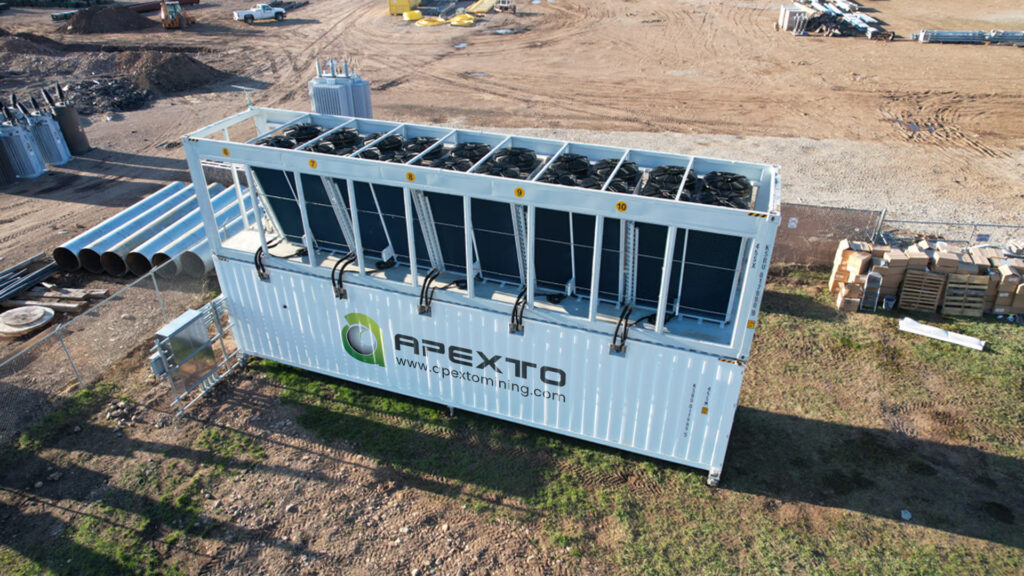
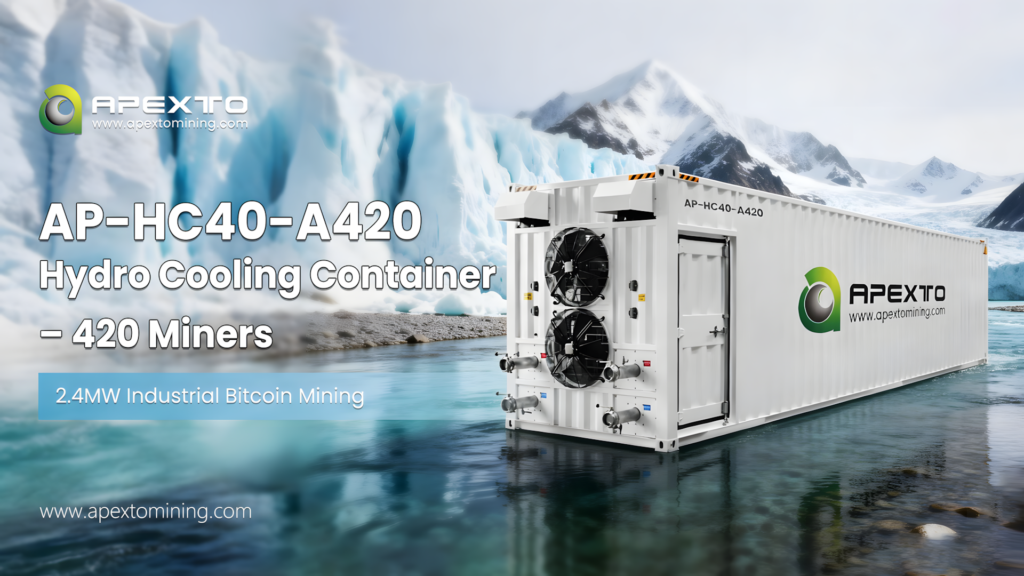
Modern mining solutions combine racks, cooling hardware, and power management into a single shipping container — simplifying deployment and maximizing reliability.
For example:
These container systems turn server rack concepts into full mining farm modules optimized for liquid cooling.
4. Server Rack Design Principles for Mining
When selecting a rack or rack system for hydro-cooled miners, consider:
✔ Structural Load Capacity
Mining hardware plus hydro plumbing can be heavy; racks should support high static and dynamic loads.
✔ Cooling Integration
Proper integration of coolant loops, manifolds, and dry cooling towers ensures consistent heat removal from all mounted miners.
✔ Monitoring & Safety
Integrated sensors and management systems provide real-time alerts, leak detection, and automated responses to abnormal conditions.
✔ Modularity
Racks that support modular add-ons like PDUs and CDU nodes make scaling and maintenance easier.
5. Air Cooling vs. Liquid Cooling in Racks
Traditional air-cooled racks rely on fans and ambient airflow. In contrast, hydro cooling racks circulate coolant directly through heat dissipators or cold plates, leading to:
-
Lower operating temperature
-
Reduced fan noise and power overhead
-
Higher mining stability in warm environments
This shift is particularly beneficial for high-density mining operations where air cooling cannot efficiently manage heat.
6. Planning Your Rack Deployment
To choose the right rack solution:
-
Estimate Your Hashrate & Power Requirements – Plan for current and future load.
-
Decide On Cooling Strategy – Air, liquid loop, or hybrid.
-
Choose Between Standard Racks and Containerized Systems
-
Account for Monitoring & Maintenance Access – Proper rack layout improves uptime.
 Bitmain Antminer
 IceRiver
 Whatsminer
 Canaan Avalon
 Goldshell
 Solo Miner
 Elphapex
 Volcminer
 Jasminer
 Pinecone
 Bitcoin
 Dogecoin
 Aleo
Aleo
 Kaspa
Kaspa
 ALPH
ALPH
 Nexa
Nexa
 ETC
ETC
 CKB
CKB
 Dash
Dash
 Kadena