 比特大陸螞蟻礦機
 冰河
冰河
 什麼礦機
什麼礦機
 迦南阿瓦隆
迦南阿瓦隆
 金殼
金殼
 單人礦工
單人礦工
 埃爾法佩克斯
 沃克礦工
沃克礦工
 茉莉花
茉莉花
 松果
松果
 比特幣
比特幣
 多吉幣
多吉幣
 阿萊奧
阿萊奧
 卡斯帕
卡斯帕
 阿爾法
阿爾法
 內克薩
內克薩
 ETC
ETC
 CKB
CKB
 短跑
短跑
 嘉手納
嘉手納
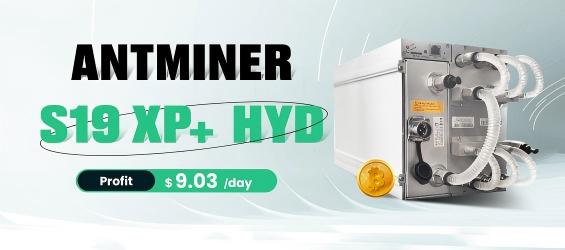








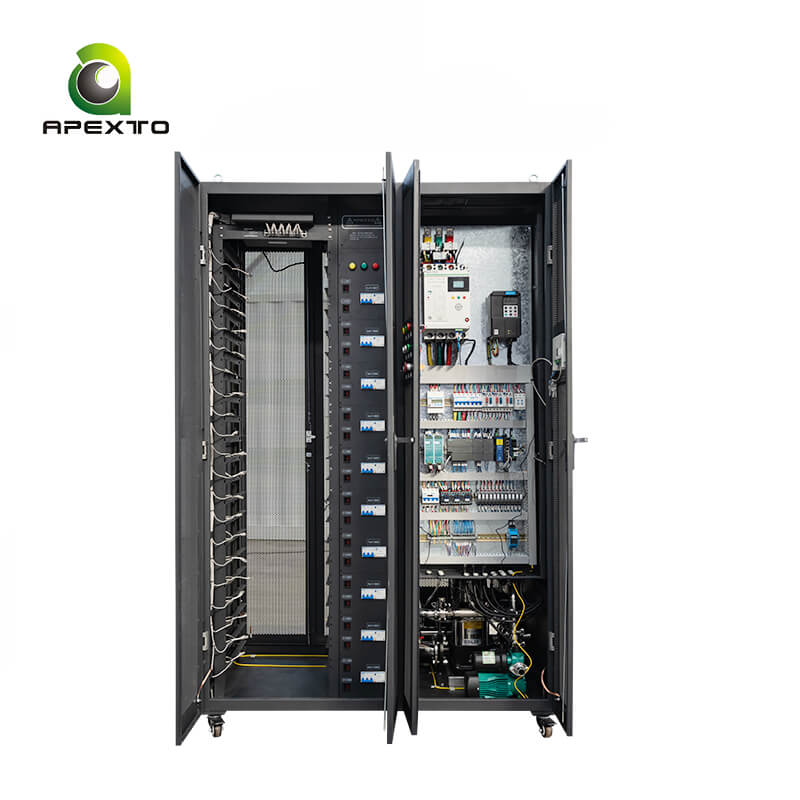
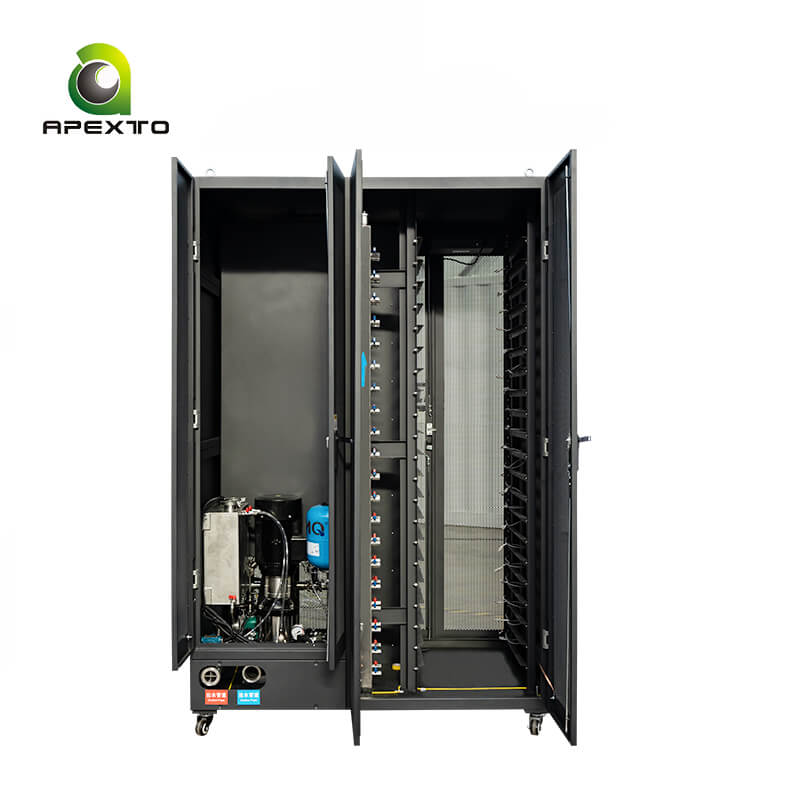
工業規模的農場部署了 200 多顆水冷式 ASIC 晶片。
貨櫃容量
20 單位
滿載
200 KW
持續用電負荷
定制配框
標準版
水電
熱管理
電源輸入
380V–415V 交流電 50/60Hz
可用性
通常交貨週期為 15 天 • 可提供 DDP 海運服務
查看更多 ›

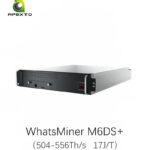
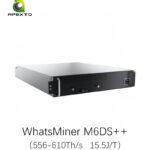
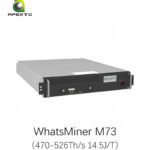
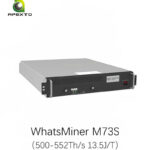
顯示更多 9 款車型
產品描述
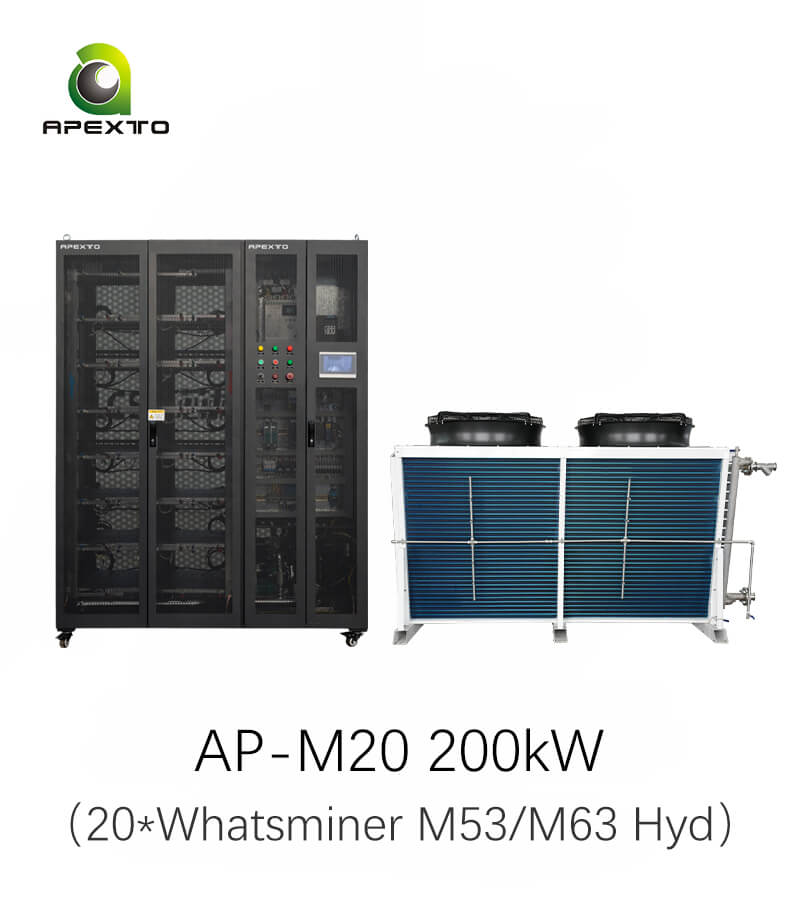
這款 20 槽 200kW 整合式水冷機架專為專業的 WhatsMiner 2U 水力挖礦部署而設計,將礦機安裝、液冷和散熱管理整合到一個完整的解決方案中。
一體化機櫃設計將關鍵冷卻組件整合於緊湊的結構中,簡化了部署流程,降低了安裝複雜性,提高了空間利用率。即插即用設計,使用者可快速接通電源並完成基本設置,實現高效的挖礦作業。專用的液體循環系統和最佳化的散熱管理,為持續高負載運轉提供穩定的冷卻性能。
這款整合式水冷機架適用於家庭挖礦、倉庫和有可用空間的室內部署環境,為尋求以最小安裝要求便捷部署多台 ASIC 礦機的營運商提供了緊湊高效的解決方案。
核心優勢
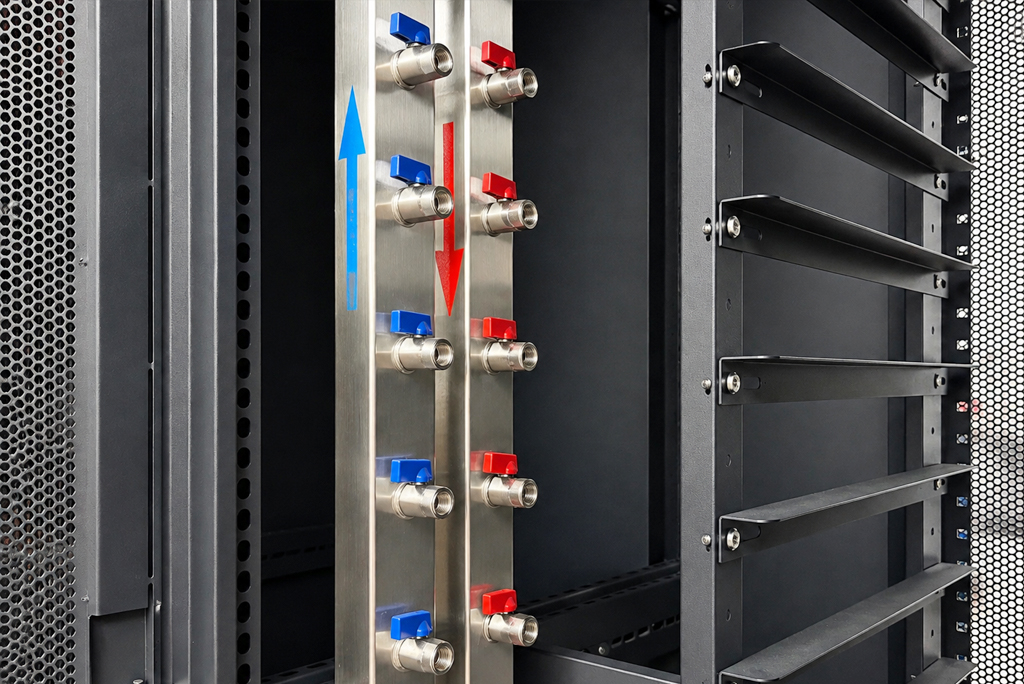
01 專用 2U 插槽和歧管
機架設有 20 個專用 2U 插槽,並配備專用的歧管系統。每個礦機都有獨立的冷卻液連接點,確保完美貼合,冷卻液均勻分佈,從而在日常算力運行時實現穩定冷卻。
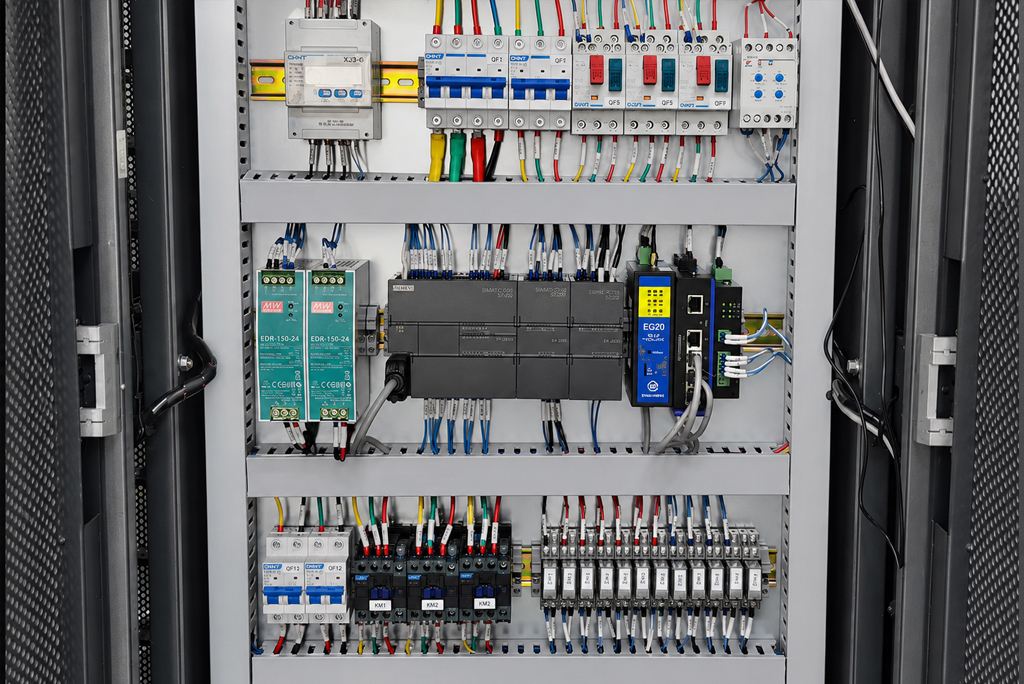
02 有序的電源櫃佈線
此配電櫃內部佈線整齊有序,並採用符合UL標準的組件,符合安全標準。這種簡潔的佈局簡化了故障排除,並確保您的設施長期消防安全。
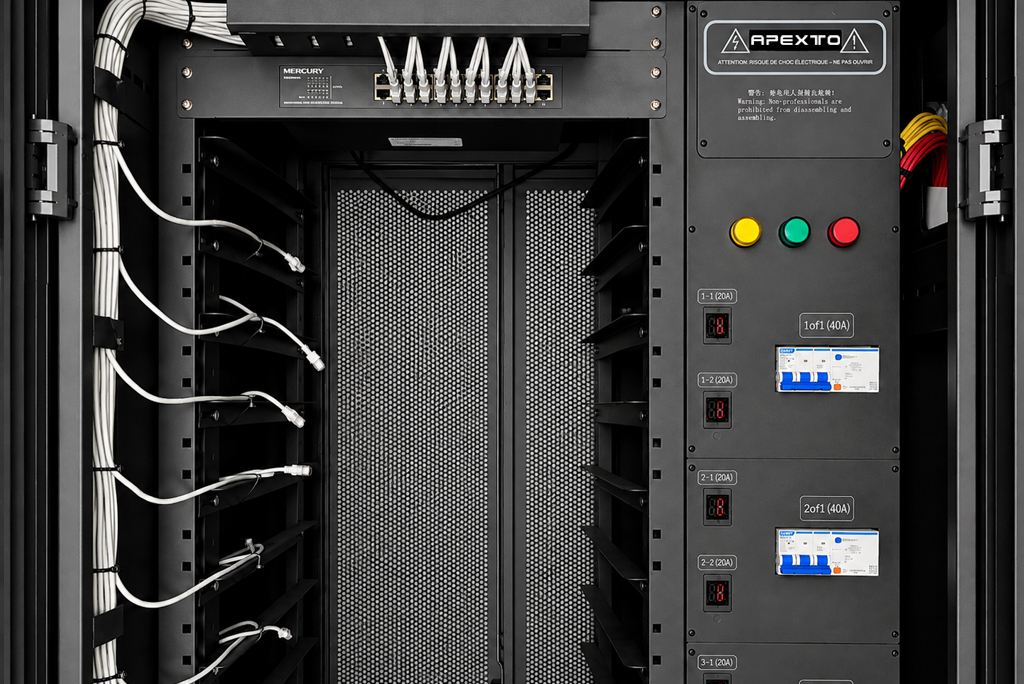
03 每個插槽均有獨立交換機
每個礦機槽位都配備獨立的電源開關和斷路器。這種單機單控設計,讓您可以單獨關閉一台礦機進行維護,而無需停止機架上的其他礦機,從而最大限度地提高整體挖礦正常運行時間。
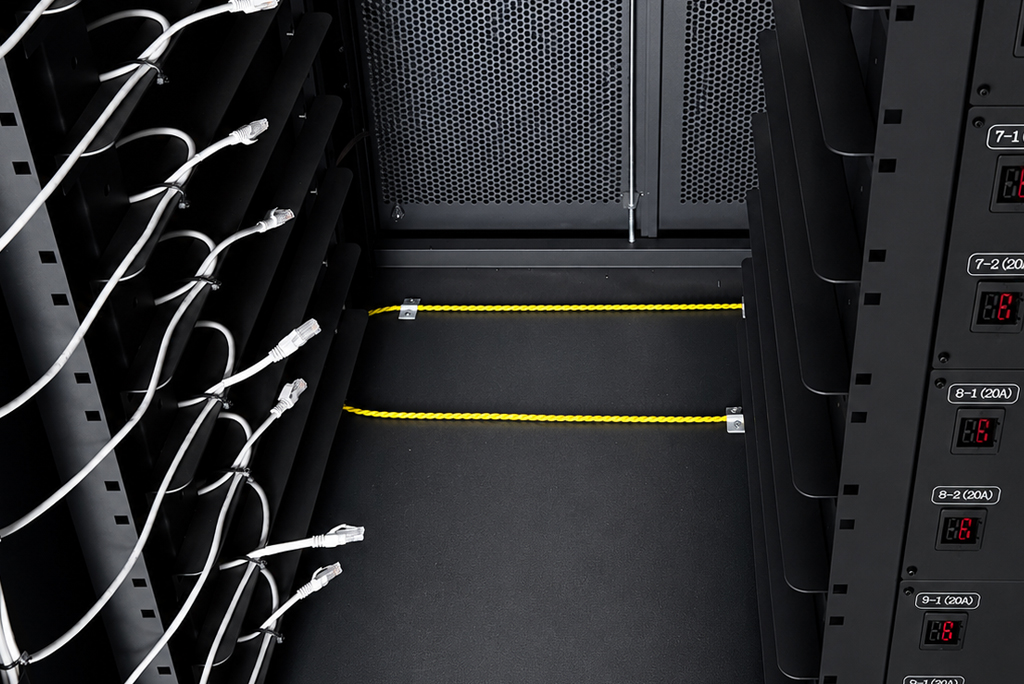
04 可靠的洩漏檢測安全
底部安裝了一條濕度感應繩,用於檢測冷卻液洩漏。一旦偵測到液體,系統會立即發出警報,保護您的硬體免受水損害,並確保您的設施日常安全。
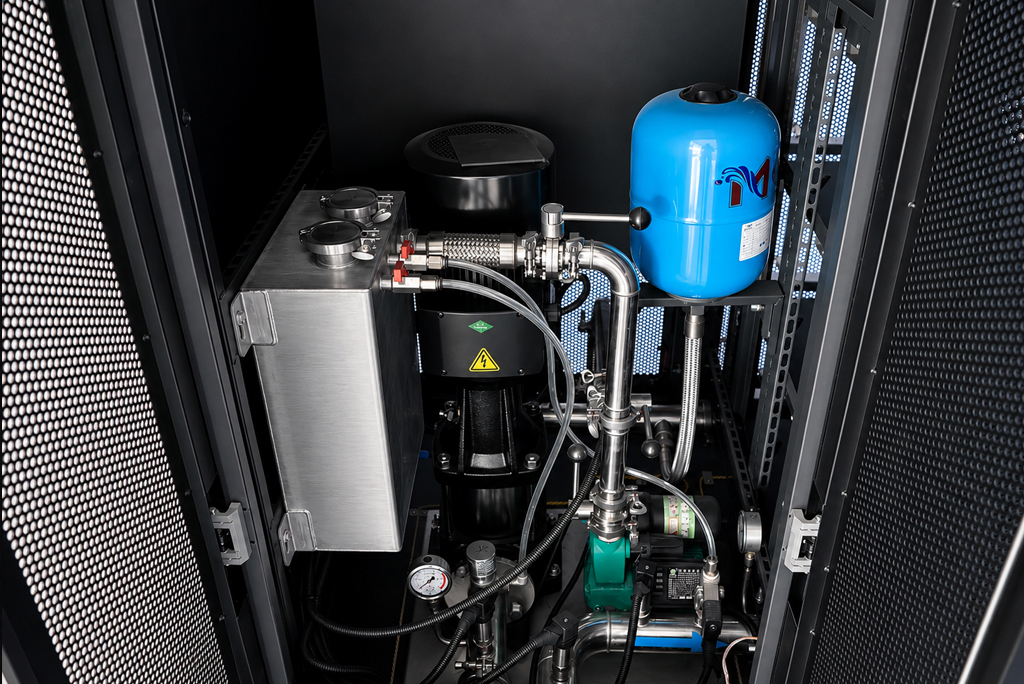
05 完整的CDU系統功能
常壓裝置(CDU)包括一台高功率水泵、一個膨脹水箱和一個熱交換器。它能維持穩定的壓力和循環,將礦機產生的200kW熱負荷轉移到外部散熱器,從而實現持續的熱平衡。
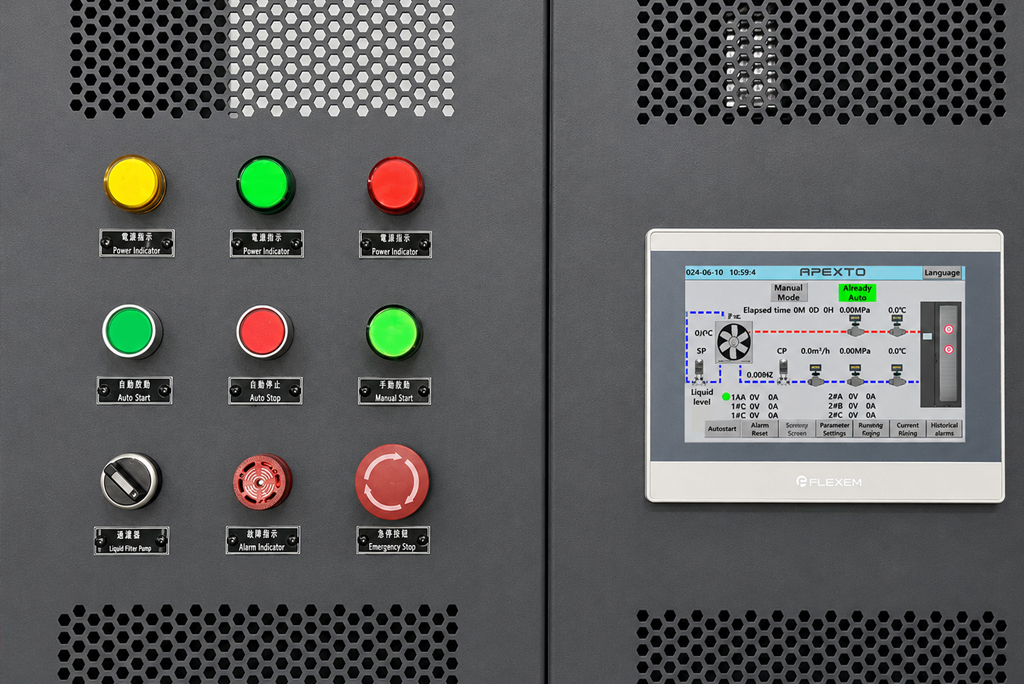
06 可客製化PLC控制中心
PLC系統可自動監控數據,並可依您的現場需求進行客製化。清晰的人機介面(HMI)螢幕即時顯示所有壓力和溫度數據,確保系統始終安全且有效率地運作。
完整規格
外形尺寸
長:1460毫米、寬:1000毫米、高:2200毫米
內部尺寸
長:1410毫米、寬:950毫米、高:2150毫米
重量
500KG
|
型號 |
AP-M20 |
安裝容量 |
20座 |
|
已安裝功率負載 |
200千瓦 |
輕型立式多級幫浦的功率 |
4千瓦 |
|
補液幫浦的功率 |
0.2千瓦 |
乾式冷卻水塔風扇的總功率 |
8.3千瓦 |
|
閉式冷卻水塔風扇的總功率 |
3千瓦 |
閉式冷卻水塔噴淋幫浦的總功率 |
1.1千瓦 |
|
系統管道壓力 |
0.2-0.4兆帕 |
系統的工作溫度範圍 |
0-50℃ |
|
單一機器的冷卻液循環需求 |
≥0.6立方公尺/小時 |
系統內循環冷卻劑的總需求量 |
≥0.25立方米 |
|
漏電斷路器 |
400A |
接觸 |
9A |
|
中間繼電器 |
24V |
CUL認證的變頻器 |
380V |

認證標準
我們的產品符合國際領先的安全、可靠性和性能標準。

中國船級社
海洋及近海合規性

UL上市
經過安全測試和認證

CSA認證
北美洲合規性

CE標誌
歐洲合格評定
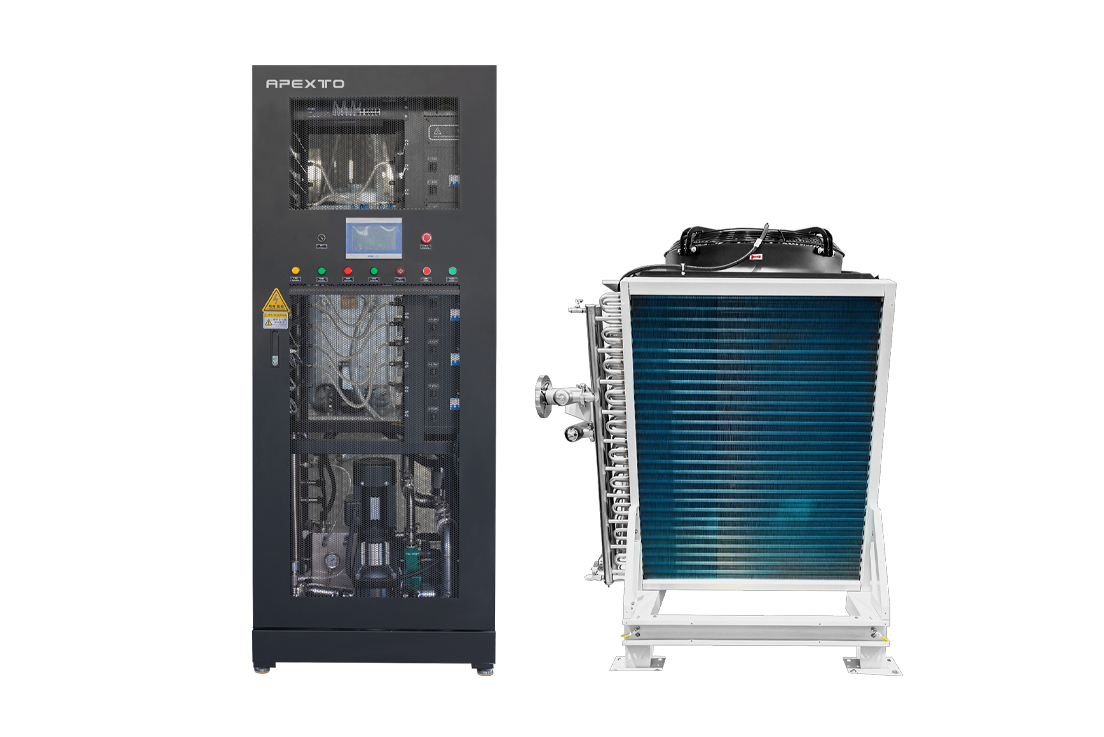
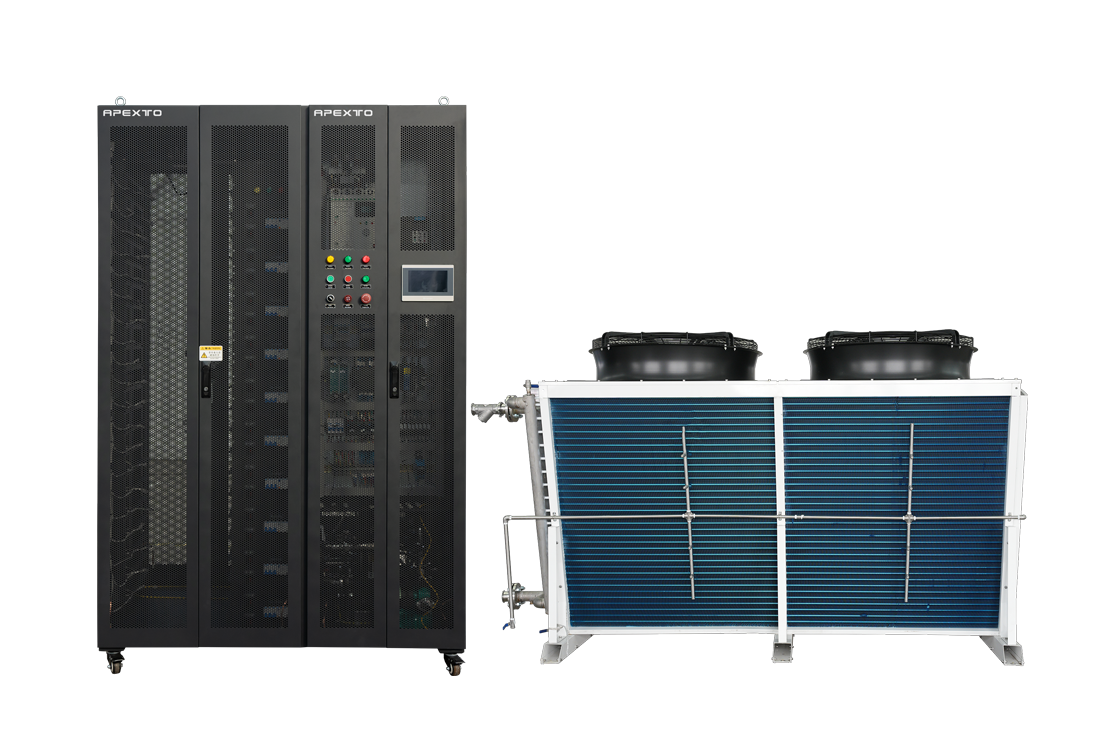
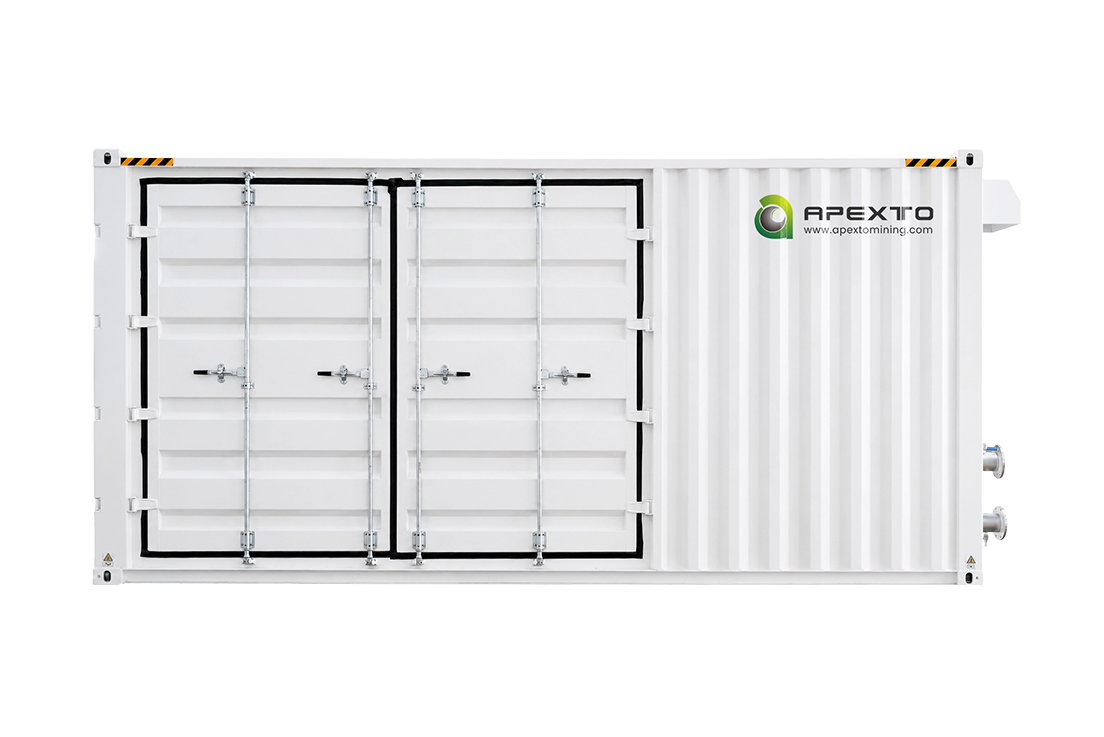
完整的冷卻解決方案
我們為各種規模的設備設計和製造全系列的水冷解決方案,從水冷櫃和容器到常溫乾燥裝置和乾式冷卻器。
20槽 Whatsminer 整合式水冷機架常見問題解答
是的。該機架專為高功率和超頻的 WhatsMiner M53、M63 和 M73 Hydro 礦機部署而設計,總礦機負載最高可達 200kW。
WhatsMiner Hydro 系列礦機在高效能運作時每台可達到約 10kW 的功率,因此這款 200kW 的機架適合配備 20 台礦機的超頻設定。
不。 200kW 的額定功率是指整個機架的總礦機負載,而不是每個礦位固定的 10kW 限制。
這樣一來,只要礦機總負載保持在系統 200kW 的設計容量範圍內,機架就可以容納不同的相容 WhatsMiner 型號或運作模式。
此機架的額定循環流量為 13 立方公尺/小時,每台礦機的最小冷卻劑循環需求為 0.6 立方公尺/小時。
對於20台礦機而言,最低總需求量約為12立方公尺/小時。該礦架採用自動調壓泵浦和PLC恆定電流控制,以維持系統內穩定的循環。
不。每個礦機位置都是單獨管理的,因此可以單獨停機進行檢查或維護,而無需將整個機架視為單獨的運作單元。
這種設計有助於減少不必要的停機時間,使 20 台礦機的部署更容易操作和維護。
該機架採用基於 PLC 的 24/7 全天候監控來追蹤關鍵運行狀況,包括電源、溫度、冷卻液流量、壓力和網路狀態。
異常情況可以集中檢測,使操作人員能夠在冷卻或系統問題發展成更廣泛的機架級問題之前識別並做出回應。
該機架作為整合式冷卻系統提供,配備工廠預製的管道、閥門、電源組件和所需的快速連接介面。
相應的快速連接器在發貨前已準備就緒,使相容的 WhatsMiner Hydro 礦機能夠直接連接到機架的冷卻液供應和回流管路,從而減少額外的現場管道安裝工作。
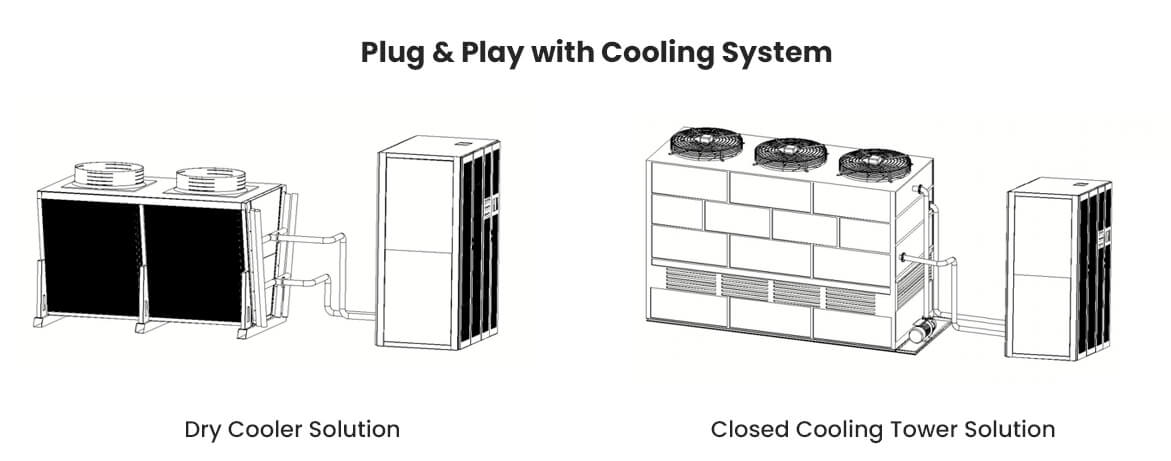
對於大多數單機架200kW的部署方案,如果優先考慮安裝簡單、用水量低和日常水系統維護量少等因素,那麼配套的200kW乾式冷卻器是實用的選擇。該機架也可以配置封閉式冷卻水塔。
對於氣候炎熱或規模較大的多機架場所,蒸發散熱具有運作優勢,可考慮將閉式冷卻塔納入集中式冷卻設計方案。當節水和減少維護是主要考慮因素時,乾式冷卻器通常是首選。
是的。機架式設計適合模組化礦場擴展。
五個 200kW 的機架代表約 1MW 的礦機裝置容量。如果從一開始就規劃好未來的擴建,該礦場可以預留足夠的電力容量、主管道、散熱能力、安裝空間和集中監控接口,以便在不重建整個基礎設施的情況下增加機架。


