 Bitmain アントマイナー
 アイスリバー
 ワッツマイナー
 カナン・アヴァロン
 ゴールドシェル
 ソロマイナー
 エルファペックス
 ボルクマイナー
 ジャスミナー
 松毬
松毬
 Bitcoin
 ドージコイン
 アレオ
アレオ
 カスパ
カスパ
 アルフ
アルフ
 Nexa
Nexa
 ETC
ETC
 CKB
CKB
 ダッシュ
ダッシュ
 嘉手納
嘉手納









序論:2026年に米国のマイナーにとって効率性がハッシュレートよりも重要になる理由
2026年にアメリカでビットコインをマイニングしているなら、現代の仮想通貨マイニングにおける最も厳しい教訓を既に学んでいるはずだ。それは、ハッシュレートが高いだけでは利益は保証されないということだ。過去1年間、ビットコインネットワークの難易度は激しく変動し、過去最高値を記録する一方で、採算性の低いマイナーはほぼ毎月オフラインに追い込まれてきた。ネットワーク難易度の上昇は、生成するTH/sあたりの収益がわずか12ヶ月前よりも減少することを意味する。このような厳しい市場では、運用コスト、特に電気代が、マイニングフリートが安定した利益を上げるか、それとも資金を浪費するかを左右する。
米国のマイニング業界は、電力料金に関して極めて細分化されており、収益性の高い事業と損益分岐点に達する事業との間に大きな隔たりが生じている。テキサス州とワイオミング州の産業拠点では、大規模マイニングファーム向けに1kWhあたり0.04~0.06ドルという超低料金が確保されている。一方、他のほとんどの州の商業マイニングサイトでは、1kWhあたり0.07~0.11ドルという中価格帯の料金が適用され、家庭用マイニングを行う人々は1kWhあたり0.15ドルを超える高額料金を支払わなければならない。この大きな価格差は、単一のASICモデルがワイオミング州では非常に高い収益を上げられる一方で、東海岸では全く採算が合わないことを意味する。
2026年には、 ASICマイナーの効率 (J/THで測定)は、アメリカのマイナーにとって最も重要な仕様です。ジュール/テラハッシュの定格値が低いほど、基本消費電力が削減され、難易度の急上昇から保護され、より多くの米国の電力料金区分で収益性を維持できます。このガイドでは、今年米国のオペレーターが導入している主要なビットコインASICマイナーを分析し、各モデルを米国の地域別電力料金に照らし合わせ、テキサスでのマイニング、沿岸部での運用、家庭用または小規模なフリートなど、あらゆる用途に最適なASICを選択するための実用的なフレームワークを提供します。
米国の地域別電力価格がASIC購入の意思決定に及ぼす影響
標準化された産業用電力料金体系を持つ世界の鉱業市場とは異なり、米国には1つの異なる電力料金区分があり、それが各事業者のハードウェア戦略を大きく左右する。こうした地域差を無視することが、新規マイナーが2026年の厳しい環境下で安定した利益を維持できない最大の理由である。
テキサス州とワイオミング州:低コストの工業鉱業拠点($0.04~$0.06/kWh)
この2つの州が米国の商業用ビットコインマイニングを支配している理由は単純明快です。それは、圧倒的に安い産業用電力料金です。テキサス州はERCOTを通じて豊富な風力発電と太陽光発電の送電網容量を活用し、ワイオミング州はマイニング専用ファーム向けに規制された低コストのベースロード電力を提供しています。メガワット規模の大規模マイニングにおいて、1kWhあたり0.06ドル以下のこれらの料金は、最高レベルの効率性と最大限のスループットを両立させる高出力・水冷式ASICにとって理想的な環境を作り出しています。
ここで最も重要なリスクは、ERCOT(テキサス州電力信頼性評議会)による電力供給制限です。テキサス州の鉱山会社は、夏の電力需要ピーク時に定期的に一時的な停電に見舞われます。低料金によって基本収益性は向上しますが、事業者は、停止中の損失を最小限に抑え、送電網からの電力供給が再開した際に迅速に復旧できる効率的なハードウェアを必要としています。
東海岸および西海岸の商業用サイト($0.07~$0.11/kWh)
カリフォルニア、ニューヨーク、フロリダ、その他の沿岸州にあるほとんどの商用ホスティング施設は、この中価格帯に属します。これらの地域では電力供給は安定していますが、内陸部の産業用電力料金よりもはるかに高額です。このような価格帯では、非効率な旧型ASICはすぐに市場から排除されます。ハッシュレートと消費電力のバランスが取れた、中~高効率モデルのみが安定した利益率を確保できます。また、沿岸部の高温気候(特にフロリダと南カリフォルニア)では、冷却コストを削減するために耐熱性の高いハードウェアが優先されます。
住宅地および都市部における小規模鉱業(0.15ドル/kWh超)
米国市場において、家庭用マイニング業者や小規模な都市型事業者は、最も厳しい価格条件に直面している。2026年の高難易度環境では、1kWhあたり0.15ドル以上の価格設定では、効率が中程度のASICでさえ利益を上げるのに苦労する。家庭用マイニングの場合、導入する価値があるのは最低限のJ/TH(ジャックス・トゥ・ハイ)ハードウェアのみであり、高額な月々の電気料金を避けるためには、小規模なマイニング機器群に留まることが不可欠となる。
J/THがアメリカの鉱業収益性に及ぼす影響(2026年までのシンプルな論理)
J/TH(ジュール/テラハッシュ)は、低J/THマイナー 効率性、そしてそれは2026年の米国におけるビットコインマイニングの収益性戦略の根幹です。簡単に言うと、J/THはマイナーが1テラハッシュの計算能力を生成するために使用する電力の量を示します。数値が低いほど、ハッシュレート単位あたりの消費電力は少なくなります。
ビットコインの難易度が上昇するにつれ、ハッシュレート1単位あたりの1日あたりの収益は減少します。つまり、難易度が低かった2024~2025年に稼働していた高J/THマイナー(15J/TH以上)は、現在、米国の最も電力料金が安い地域を除いて、ほとんどすべての地域で薄利または赤字で操業していることになります。効率的な13J/TH未満のハードウェアは、難易度の急上昇、BTC価格の小幅な下落、および段階的な電気料金の値上げを吸収する収益性バッファーを生み出します。
米国の事業者にとって、計算は単純明快です。マイニング機器のJ/TH値が地域のkWh料金に対して高すぎると、ネットワークの難易度が急上昇した際に損失が発生します。最大ハッシュレートよりも効率性を優先することで、月々のROIが安定し、2026年の変動の激しいマイニング市場においても事業の安定性が確保されます。
空冷式ASICと水冷式ASIC:米国通信事業者にとっての重要なトレードオフ
2026年に米国のマイナーが直面する重要な決定事項は、空冷式と水冷式のハードウェアのどちらを選択するかです。どちらも、電力コスト、インフラ、およびフリート規模に関連した明確な用途があります。水冷式ユニットは、J/TH 定格が低く、業界をリードする効率性を実現するため、1kWh あたり 0.06 ドル未満の電力を使用する大規模な産業用ファームに最適です。水冷式は、動作温度が低く、ハードウェアの劣化を軽減し、熱関連のエラーによるダウンタイムを最小限に抑えるため、テキサス州やワイオミング州のメガワット規模の運用に最適です。欠点は、初期インフラコストが高いことです。専用の冷却システム、配管、および定期的なメンテナンスが必要であり、小規模または住宅用マイナーには現実的ではありません。
一方、空冷式ASICは、セットアップが最小限で済み、特別な冷却設備も不要で、標準的なホスティングラックシステムに対応します。そのため、中小規模のフリート、沿岸部の商業サイト、拡張性とメンテナンスの手間が少ない運用を求めるマイナーにとって、はるかに柔軟性に優れています。ただし、トレードオフとして、J/TH値が若干高く、発熱量も大きくなるため、テキサス州やフロリダ州のような暑い地域では冷却コストが増加する可能性があります。米国の中程度の電力料金($0.06~$0.08/kWh)であれば、プレミアム空冷モデルが効率性と利便性の完璧なバランスを実現しています。
2026年版トップASICマイナーモデル:仕様、長所、短所、および米国における理想的な電力条件
詳細なレビューに入る前にハードウェアを素早く比較・選別できるよう、主要な2026 ASICモデル6機種すべてを、コアパラメータ、冷却方式、適用可能な米国の電気料金範囲とともに、1つの統一比較表にまとめました。
|
ASICマイナーモデル
|
ハッシュレート
|
消費電力
|
効率 (J/TH)
|
水冷式
|
理想的な米国の電気料金
|
最適な適用シナリオ
|
|---|---|---|---|---|---|---|
|
580 TH /秒
|
5510W
|
9.5
|
水冷式
|
≤$0.06/kWh
|
メガワット規模の工業型農場(テキサス州/ワイオミング州の大規模商業鉱山)
|
|
|
473 TH /秒
|
5676W
|
12.0
|
水冷式
|
0.05~0.065ドル/kWh
|
中規模の専門的な鉱山施設
|
|
|
270 TH /秒
|
3645W
|
13.5
|
空冷式の
|
≤$0.08/kWh
|
ほとんどの米国の商用ホスティングサイト、複数の州にまたがる中小規模のフリート
|
|
|
234 TH /秒
|
3510W
|
15.0
|
空冷式の
|
0.06~0.09ドル/kWh
|
自宅で採掘を行う人、初心者の小規模フリートオペレーター
|
|
|
318 TH /秒
|
4250W
|
12.0
|
空冷式の
|
0.065~0.085ドル/kWh
|
温暖な気候の州(テキサス州、フロリダ州、米国南西部)
|
|
|
200 TH /秒
|
3500W
|
17.5
|
空冷式の
|
≤$0.06/kWh(試験車両のみ)
|
小型実験装置(大量購入不可)
|
1. アントマイナー S23 ハイド | 580 TH/秒、5510W、9.5 J/TH(水冷式)
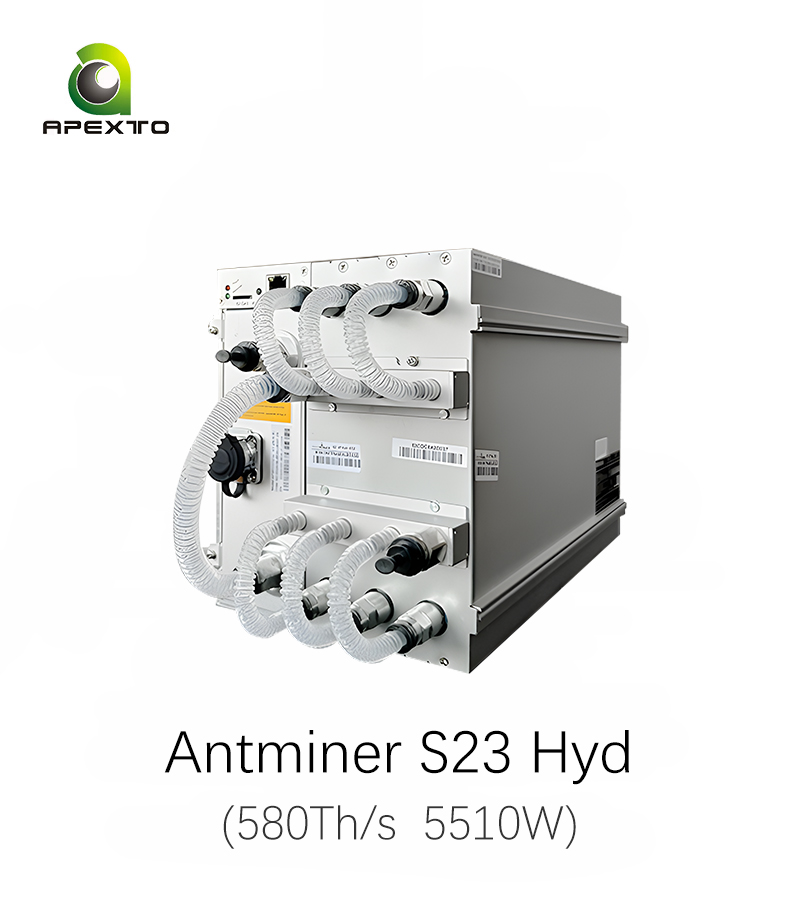
Antminer S23 Hydは、2026年に米国の産業用マイニングファーム向けに提供される、最も効率的な高出力ASICです。業界トップクラスの9.5 J/THという効率性を誇り、580 TH/sという驚異的なハッシュレートと制御された消費電力を両立させ、低コスト電力環境におけるゴールドスタンダードとなっています。水冷設計により、24時間7日ノンストップ稼働時でも熱による性能低下を防ぎ、ハードウェアの寿命を延ばし、大規模フリートのメンテナンスコストを削減します。
理想的な条件: 電力料金が0.06ドル/kWh以下のメガワット規模の商業農場(テキサス州、ワイオミング州の工業地帯)専用。 メリット: 比類のない大規模効率、最低の長期運用コスト、熱関連のダウンタイムの最小化、2026年の困難の変動に対する耐性。 デメリット水冷式冷却システムは初期インフラ投資額が高額であり、小規模な艦隊や中程度の電力料金帯の艦隊には過剰設備となる。 誰が買うべきか大規模な鉱山農場の管理者は、固定された超低価格の電力料金で産業事業を拡大している。
2. アントマイナーS21XPHYD | 473 TH/秒、5676W、12.0 J/TH(水冷式)
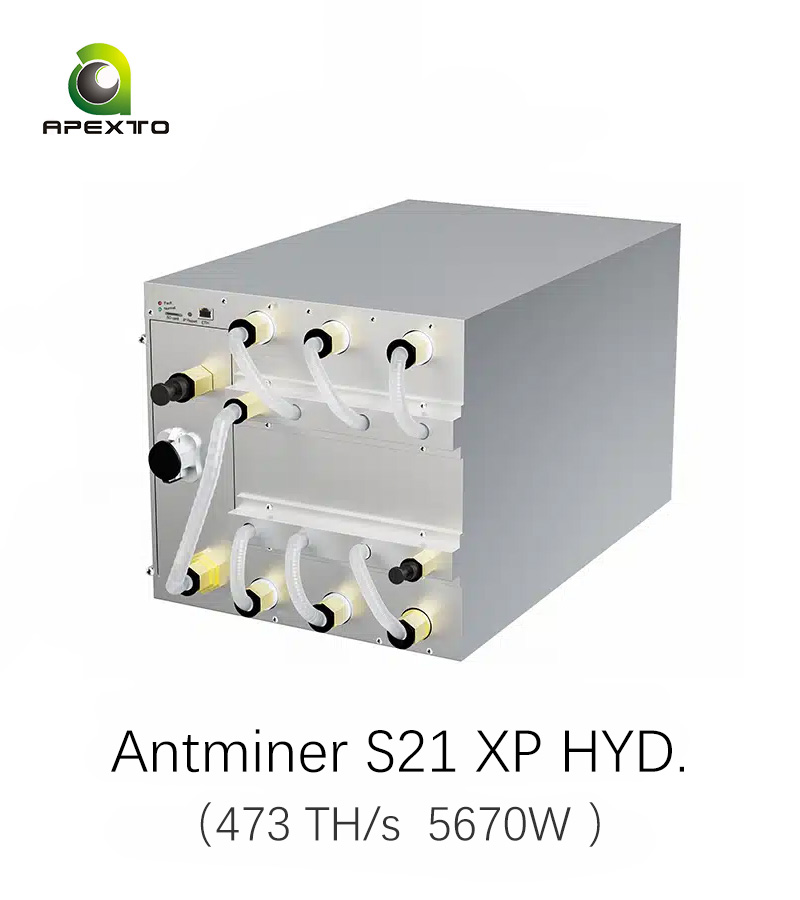
中規模水冷式マイニングマシンであるS21 XP Hydは、米国の中規模マイニング施設向けに、高いハッシュレートと優れた効率性を両立させています。12.0 J/THというハッシュレートは、空冷式マシンよりもはるかに優れた電力効率を実現しながら、S23 Hydのような過酷なインフラ要件を回避しています。常に低温で動作し、電力網の変動時にも安定した出力を維持するため、産業用電力を利用できる事業者にとって確実な投資収益率(ROI)を提供します。
理想的な条件: 中規模商業施設、電力料金0.05~0.065ドル/kWh。 メリット: 拡張可能な水力発電効率、空冷式発電設備よりも低い冷却コスト、ERCOTによる出力抑制時にも安定した性能を発揮します。 デメリット水冷インフラが依然として必要であり、0.07ドル/kWhを超えると費用対効果が低い。 誰が買うべきか:成長を続ける米国の鉱業事業者は、低コストの電力供給地域で、小規模から中規模の鉱区へと規模を拡大している。
3. Antminer S21 XP Air | 270 TH/秒、3645W、13.5 J/TH(空冷式)
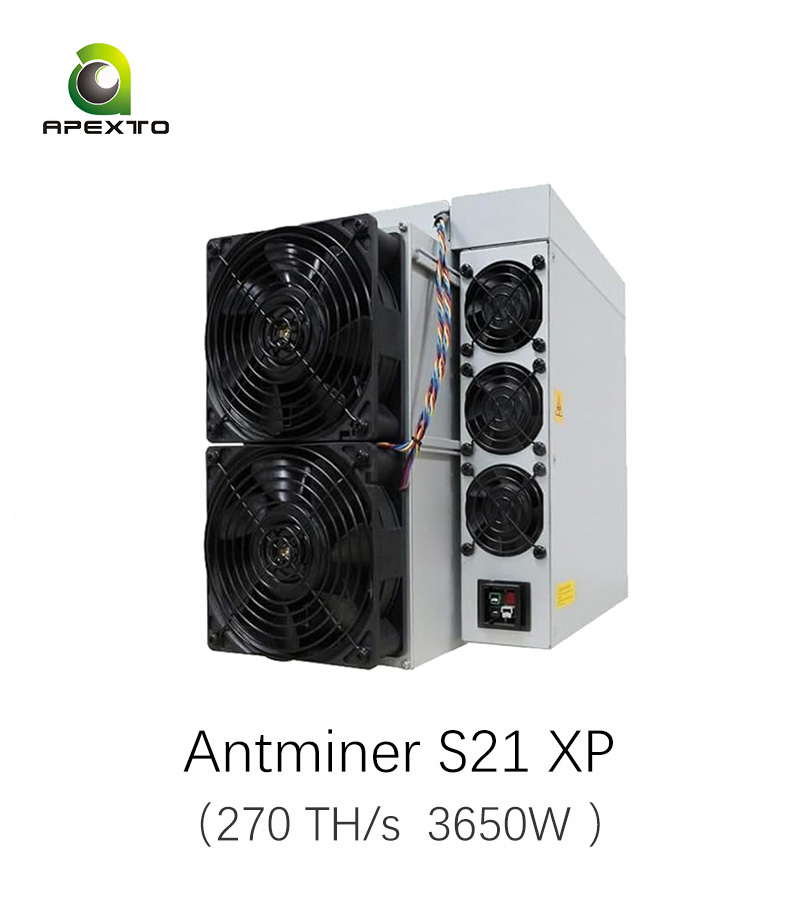
2026年の米国における主流マイニング向け最高級空冷式ASICであるS21 XP Airは、このリストの中で最も汎用性の高いモデルです。13.5 J/THという効率と3645Wという適度な消費電力により、米国のほぼすべての商用ホスティングサイトで利用可能です。特別な冷却システムは不要で、堅牢な設計により、米国のほとんどの州の様々な気候条件にも耐えられます。
理想的な条件: 電力料金が1kWhあたり0.08ドル以下のすべての商用ホスティングサイト、沿岸部および中西部の事業所。 メリットプラグアンドプレイによる導入、最小限のメンテナンス、バランスの取れたハッシュレート効率、標準的なラック構成で動作します。 デメリット超低電力ゾーンでは水力モデルに性能で劣るが、液冷式ユニットよりも熱出力が高い。 誰が買うべきか:柔軟性と収益性の高いハードウェアを求める、中小規模の商業事業者、ホスティングクライアント、および複数州にまたがるマイニングフリート。
4. Antminer S21 Pro | 234 TH/秒、3510W、15.0 J/TH(空冷式)

S21 Proは、信頼性と使いやすさを重視する中小規模のマイニングフリートに最適なバランスの取れた選択肢です。15.0 J/THのハッシュレートを備え、最大ハッシュレートは必要としないものの、安定した低負荷のパフォーマンスを求めるオペレーターにとって頼りになる主力機となります。消費電力も低いため、住宅や小規模商業施設の電気設備への負担を軽減します。
理想的な条件: 電力料金が$0.06~$0.09/kWhの小規模フリート、軽商用ホスティング。 メリット安定した性能、導入と保守の容易さ、低い電力インフラ要件、予算に優しい初期費用。 デメリットXPシリーズモデルよりも効率が悪く、利益率は0.09ドル/kWhを超える。 誰が買うべきか: 自宅でマイニングを楽しむ愛好家、米国で新たに小規模な事業者を営む人、趣味でマイニング機器を組み立てる人。
5. Whatsminer M66S + | 340 TH/秒、4250W、12.5 J/TH(空冷式)
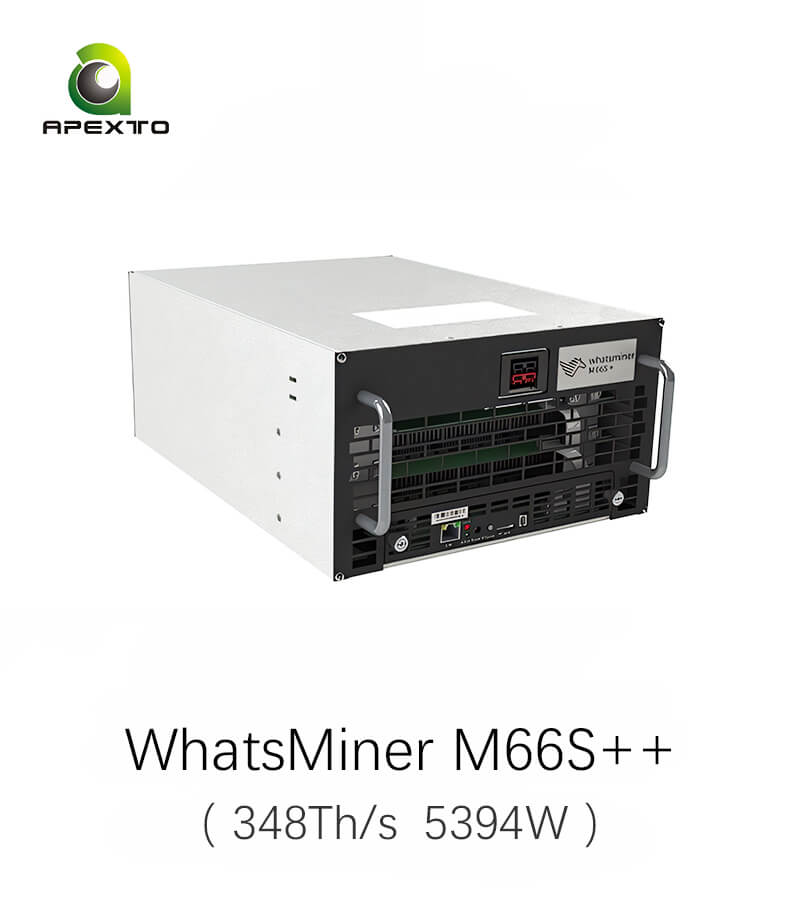
温暖な米国気候向けに設計されたWhatsminer M66S+は、テキサス、フロリダ、その他の暑い南部諸州でのマイニングに最適なASICです。最適化された熱設計により、競合する空冷モデルでよく見られる問題である高温環境下でのパフォーマンス低下を抑制します。12.5 J/THというクラス最高の空冷効率と、340 TH/sという堅牢なハッシュレートを実現しています。
理想的な条件:電力料金が1kWhあたり0.065ドル~0.085ドルの、温暖な気候の米国諸州。 メリット優れた耐熱性、高いハッシュレート効率、性能低下のない信頼性の高い夏季稼働。 デメリット超高級Antminerモデルよりも消費電力が若干高く、大量購入できる機会が限られています。 誰が買うべきかテキサス州、フロリダ州、および米国南西部の商業鉱山会社は、高温環境下で操業している。
6. アンティミナーS21 | 200 TH/秒、3500W、17.5 J/TH(空冷式)

2026年のマイナーへの重大な警告:Antminer S21の基本モデルは、ほとんどの米国の事業者にとって、もはや大規模な投資対象として適切ではありません。その17.5 J/THという性能は、現代のビットコインの難易度の急上昇に対応するには非効率的すぎます。超低電力コストの小規模な趣味用システムには適していますが、米国の中・高電力ゾーンではすぐにマイナスの利益率に陥ります。
理想的な条件: 小規模な試験車両群向けには、1kWhあたり0.06ドル未満の産業用電力のみを提供します。 メリット初期費用が最も低く、広く普及しており、操作が簡単。 デメリット2026年の収益性は低く、難易度の上昇により価格が高騰しやすく、大量導入には適さない。 誰が買うべきか: 超低消費電力が保証された実験的な小型マイニング装置のみ。
2026年米国ASIC購入フレームワーク:電力価格決定チェックリスト
このシンプルで現場で検証済みのチェックリストを使って、推測に頼らず、お住まいの地域の米国の電気料金に合わせてハードウェアを選びましょう。
≤$0.06/kWh(テキサス州/ワイオミング州工業地域)水冷式の高効率ユニットを優先的に採用してください。最大限の拡張性と長期的な収益性を実現するには、Antminer S23 HydとS21 XP Hydを導入してください。この価格帯では、業界最低水準のJ/THレートと高いハッシュレートが特長です。
0.06~0.08ドル/kWh(主流の商用ホスティング)中級クラスの高効率空冷式マイニングマシンに絞りましょう。S21 XP AirとWhatsminer M66S+は、水力発電設備のオーバーヘッドなしで高い効率性を実現し、投資対効果(ROI)のバランスが最も優れています。
0.09ドル/kWh以上(沿岸部/都市部商業地域)低J/THの高性能ハードウェアのみを配備してください。基本型のS21および旧型の高出力モデルはすべて使用しないでください。難易度が急上昇した際にもプラスの利益率を維持するため、艦隊はS21 XP AirとM66S+に限定してください。
0.15ドル/kWh以上(住宅用)規模を小さくし、何よりも効率を優先する。厳選された低消費電力の高性能空冷式ユニットのみを稼働させる。2026年の米国の一般家庭向け電力料金では、大量採掘は経済的に成り立たない。
米国限定の2026年鉱業事業者向けヒント
FCC準拠および規制との整合性
米国で稼働するすべてのASICハードウェアは、操業停止や機器押収を避けるため、FCCの規制に完全に準拠する必要があります。暗号通貨マイニングハードウェアに対する連邦政府の取り締まりが強化されているため、2026年には未認証の輸入リグが大きなリスクとなります。フリートの稼働を維持するためには、必ず事前に認証済みの米国対応ユニットを調達してください。
輸入物流および国内配送
2026年も、国際輸送の遅延や関税の不整合が米国のマイニング事業者を悩ませ続けている。国内に在庫があり、保管されているASICを調達することで、長い待ち時間をなくし、商業事業者と小規模事業者の両方にとってサプライチェーンのリスクを軽減できる。
米国におけるホスティングおよびデマンドレスポンスの機会
テキサス州とワイオミング州の大手ホスティングプロバイダーは現在、電力需要ピーク時の一時的な電力削減に対してマイナーに報酬を与える、体系的なデマンドレスポンスプログラムを提供しています。これらのプログラムは、効率的なフリートに安定した受動的収入をもたらし、軽微なダウンタイムを相殺し、年間投資収益率(ROI)を大幅に向上させます。効率的な低J/THマイナーは、電力停止による収益損失が少ないため、これらのプログラムにおいてより高い収益性を得ることができます。
結論とApexToMining CTA
2026年は、米国のビットコインマイニングの成功を再定義しました。効率性がハッシュレートを凌駕し、地域の電力料金が収益性の高いハードウェアの決定を左右します。ネットワーク難易度の変動とハッシュ価格の停滞により、地域のkWh料金に合わせた低J/THハードウェアを優先するマイナーは、今年、競合他社を大きく上回るでしょう。自宅のマイニングリグ、小規模な商用フリート、またはテキサス州やワイオミング州のMW規模のマイニングファームを運営している場合でも、市場の不確実性の中でも利益を安定させるためのカスタマイズされたASIC戦略があります。
米国でマイニング機器を運用していて、お住まいの地域のkWhコストに基づいたカスタムROIシミュレーション、ホスティングコンサルティング、または米国への配送オプション付きの在庫のある純正ASICマイナーが必要な場合は、お問い合わせください。 アペックス・トゥ・マイニング 最新の価格情報と専門家によるサポートについては、お問い合わせください。米国に特化した当社の鉱業チームは、国内事業者がサプライチェーンや規制の複雑さを克服し、効率的で収益性の高い2026年型鉱山設備を構築できるよう支援します。

関連記事
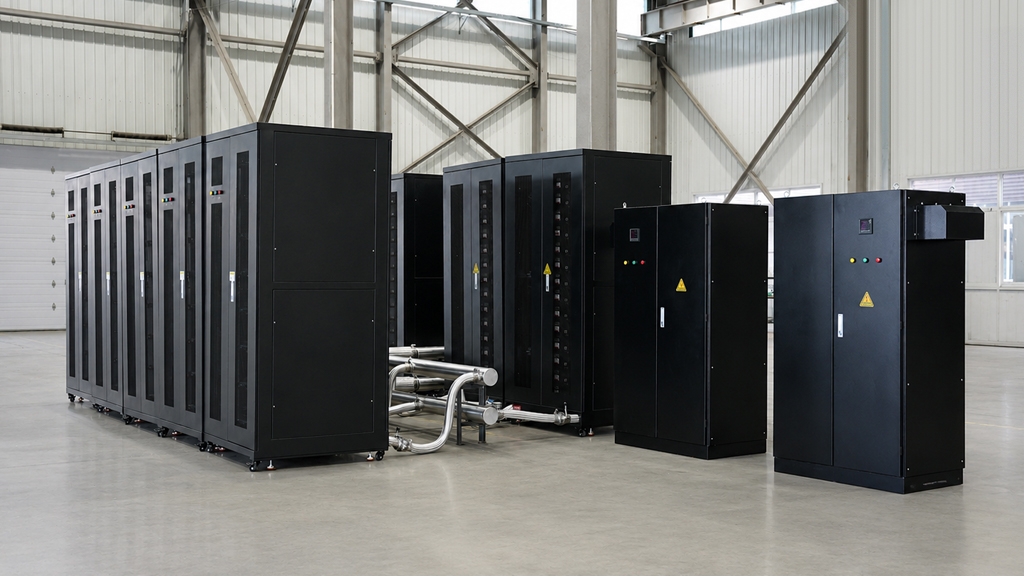

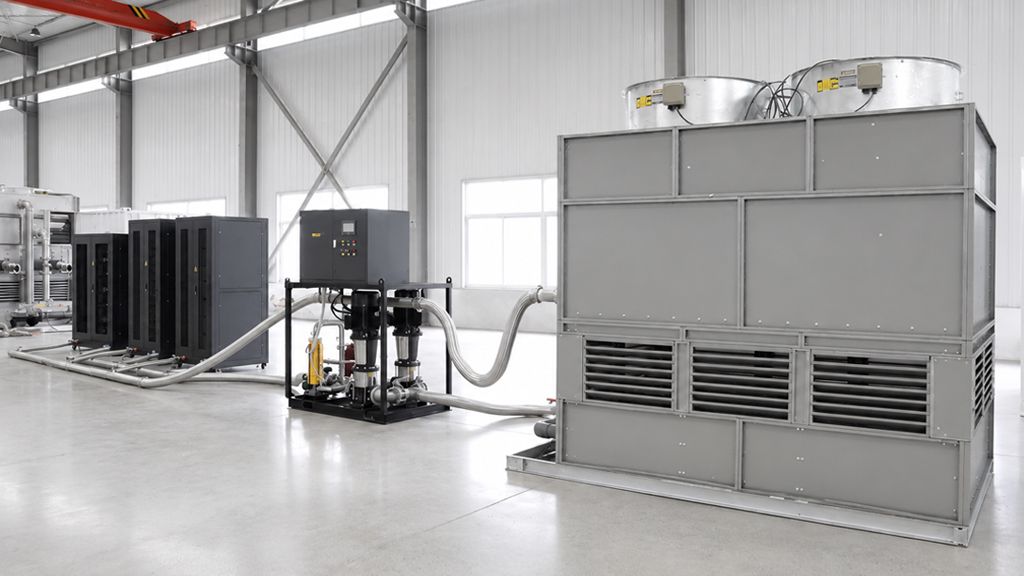
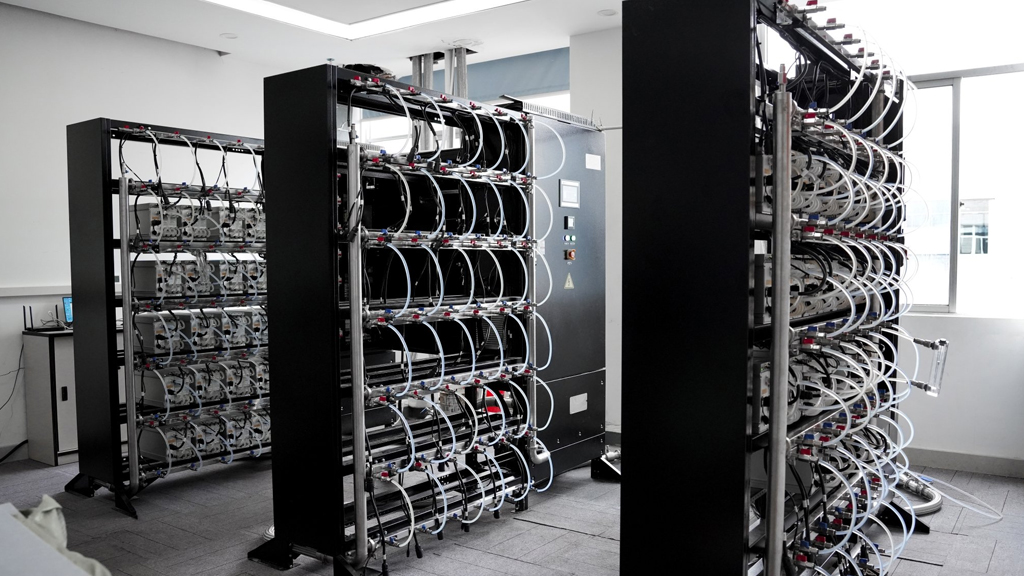
アスンシオンでの 1 対 3 の 20 スロット Antminer 水冷キャビネットのセットアップ
プロジェクト概要 パラグアイのアスンシオンにある鉱山チームは、...
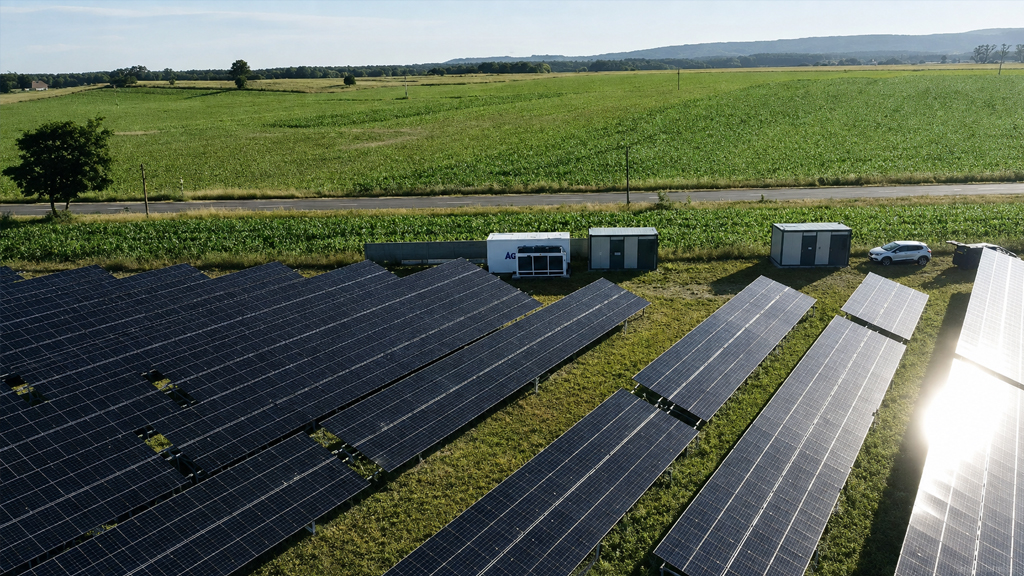
ストックホルムにおける36スロットAntminer水冷ラックプロジェクト
プロジェクト概要 スウェーデンのストックホルムにある倉庫運営会社が、以下の人材を求めていました。
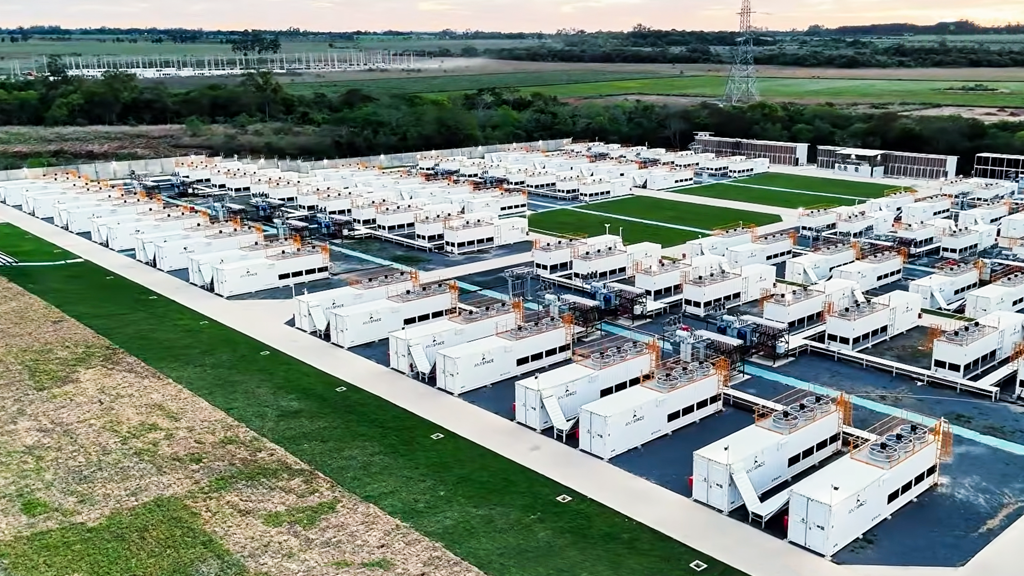
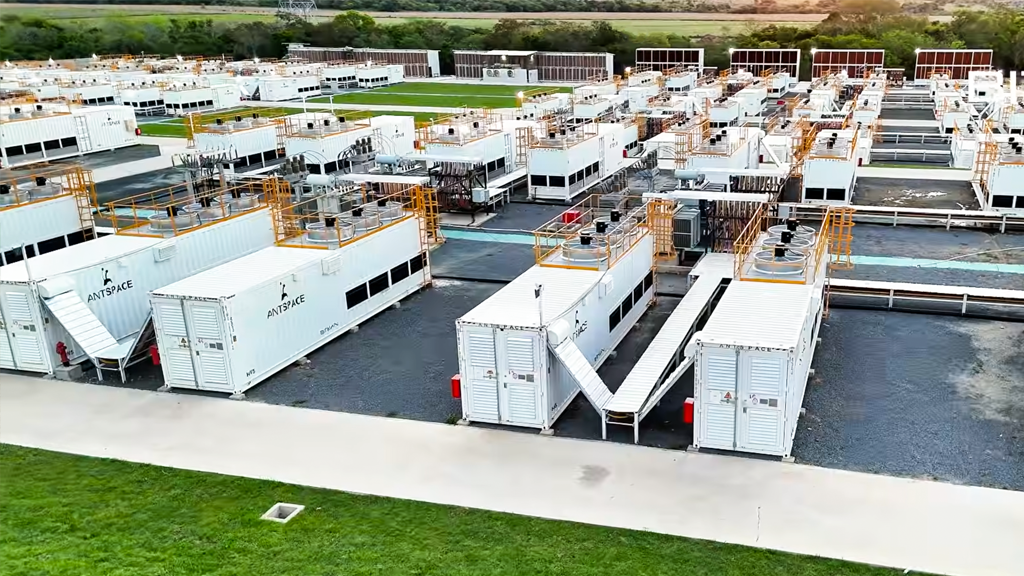
アルト・パラナにおける210スロットのANTSPACE HW5ハイドロコンテナプロジェクト
プロジェクト概要 生態系保全施設の隣に14.4MWの発電施設を建設する...


