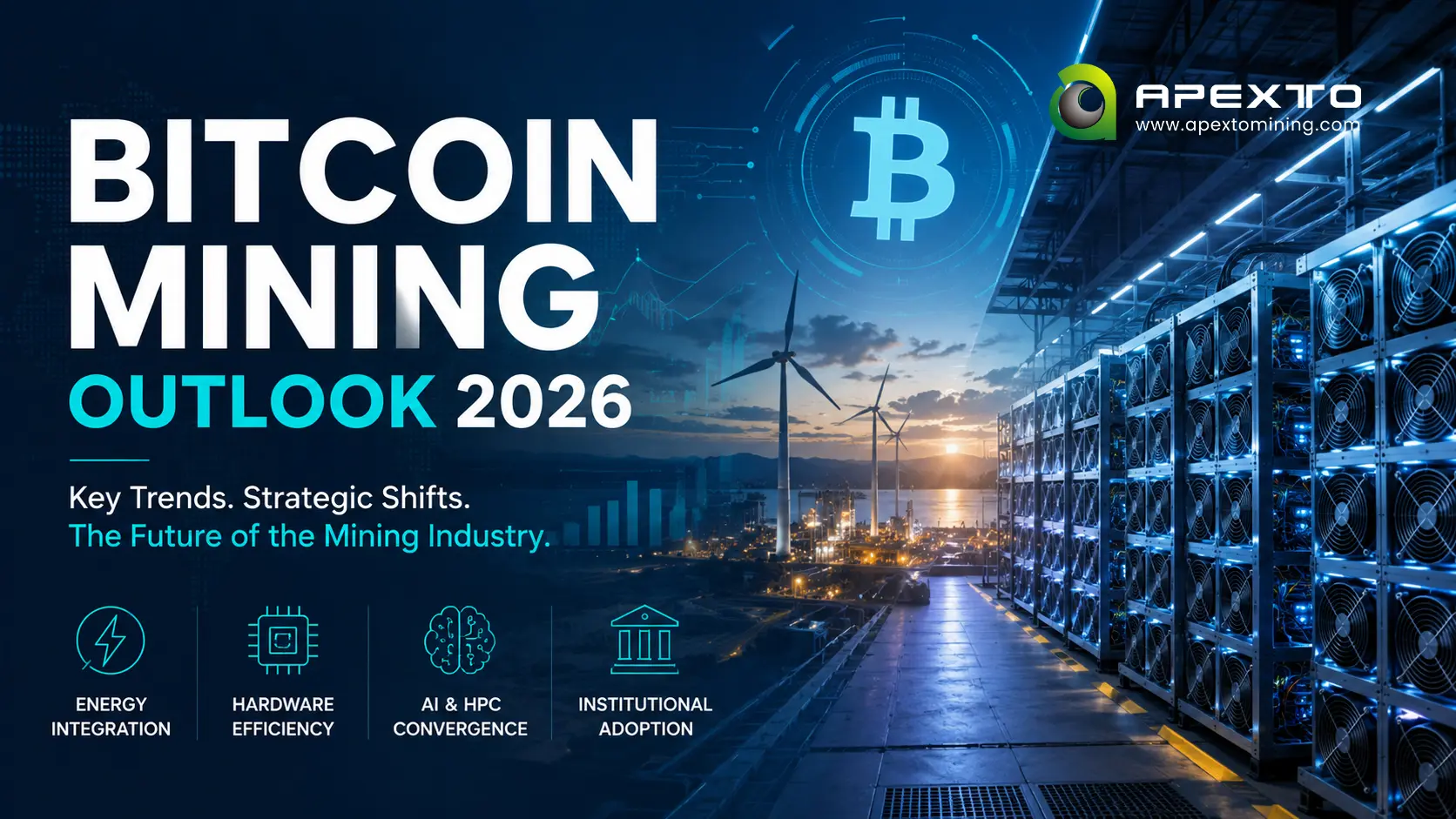
ビットコインマイニング業界は単に成長しているだけでなく、構造的な再定義の過程にある。2026年、競争の焦点はハッシュレートだけではなくなる。エネルギー、ハードウェア、AIインフラ、国家政策、金融商品といった戦略的優位性、すなわち支配権の獲得へと移るのだ。2026年第1四半期の運用データ、規制当局への提出書類、資本の流れに基づき、私たちはリーダーと後れを取る7つの譲れない変化を特定する。
1. マクロ経済の追い風は確かに存在するが、普遍的なものではない
FRBが2026年に2~3回の利下げを予定している(グレースケールによると74%の確率)ことで、機関投資家の資金流入が加速しているが、これは規制によって保管が可能になっている場合に限られる。米国で可決され、署名されて法律となったCLARITY法(2026年3月1日発効)は、ビットコインの地位を「明確化」しただけではない。第1四半期だけで2.8億ドルの新たな機関投資家向けマイニング融資を可能にした(ブルームバーグ・インテリジェンス)。銀行は現在、ビットコイン担保ローンで4億1000万ドル以上を保有しており、これは前年比320%増となっている。
重要な意味:規制の明確化は、地理的な裁定取引の機会を生み出している。規制に準拠した枠組み(米国、スイス、シンガポール、アラブ首長国連邦)の下で事業を行うマイナーは、年率4.2~5.8%で資金を調達できる。一方、規制のない管轄区域のマイナーは11~14%の金利を支払う必要があり、これは600~900ベーシスポイントのコスト不利となり、5年間のインフラライフサイクル全体でその不利が累積する。
2.垂直統合はもはや理想ではなく、必須条件となった
2023年当時、垂直統合とは10年間の電力購入契約(PPA)を締結することを意味していた。2026年においては、それは変電所を所有することを意味する。
大手鉱業会社は現在、電力供給チェーンの65%以上を自社で管理している。内訳は、発電設備(風力、太陽光、蓄電池)を自社所有する企業が42%、ピーク時ガス火力発電所を運営する企業が28%、電力会社と共同で送電網インフラを開発する企業が30%となっている。重要な点として、統合型企業は送電網に依存する企業に比べてLCOE(均等化発電原価)が37%低いと報告している(Apex Grid Analytics、2026年第1四半期)。
ハードウェア統合がそれに続く。上位10社の公開マイナーのうち6社が、ASICファームウェアを自社で設計している。これはチップを製造することではなく、グリッド負荷イベント時にハッシュボードを動的にスロットリングするリアルタイムのファームウェアアップデートによって、稼働時間を維持しながら副収入を得ることを目的としている。
3.AIへの後付け投資は多角化ではなく、生存のためのインフラ整備である
「AIへの転換」という見方は誤解を招く。これはマイナーがGPUに手を出しているという話ではない。大規模なインフラの用途変更なのだ。
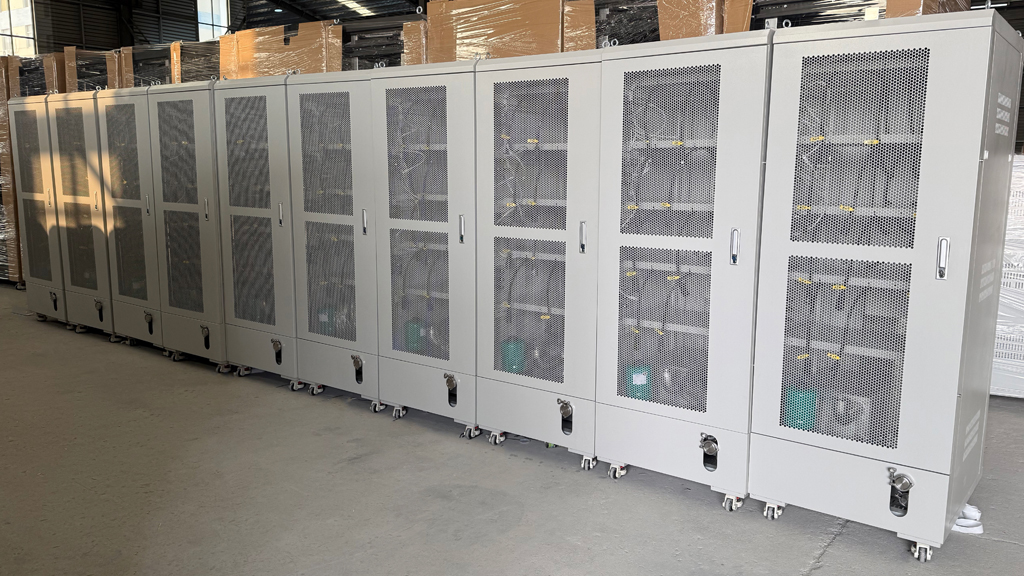
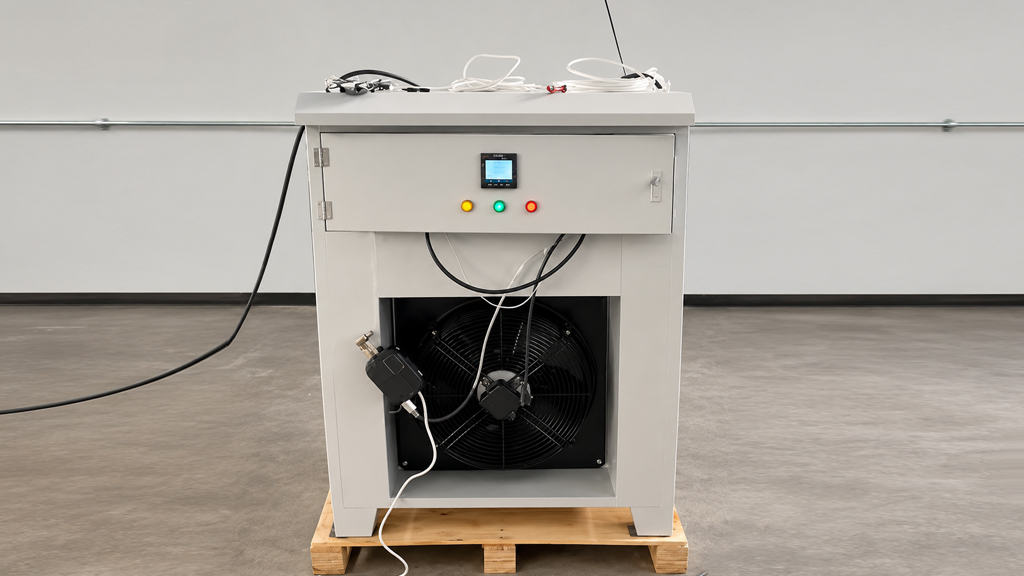
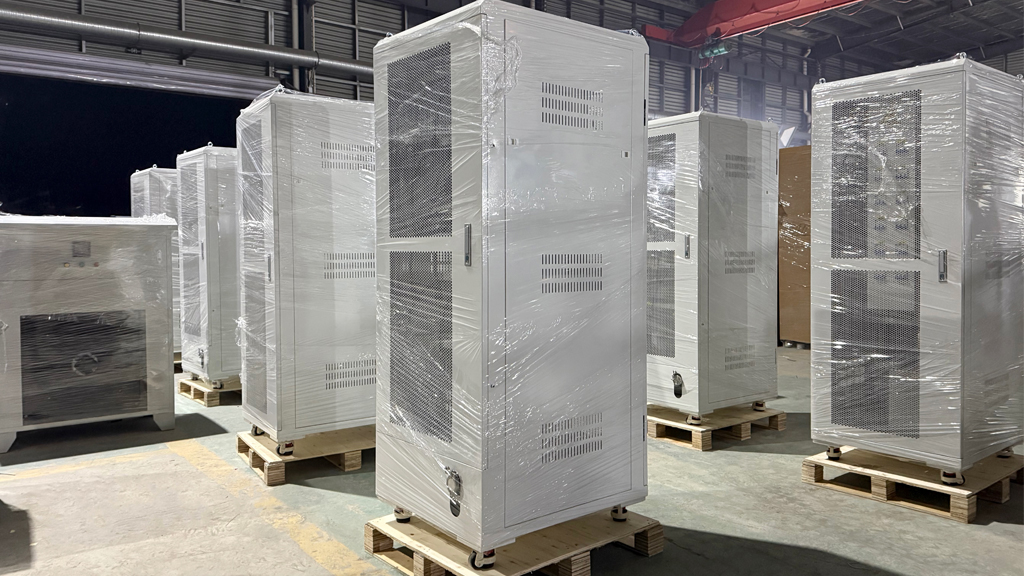
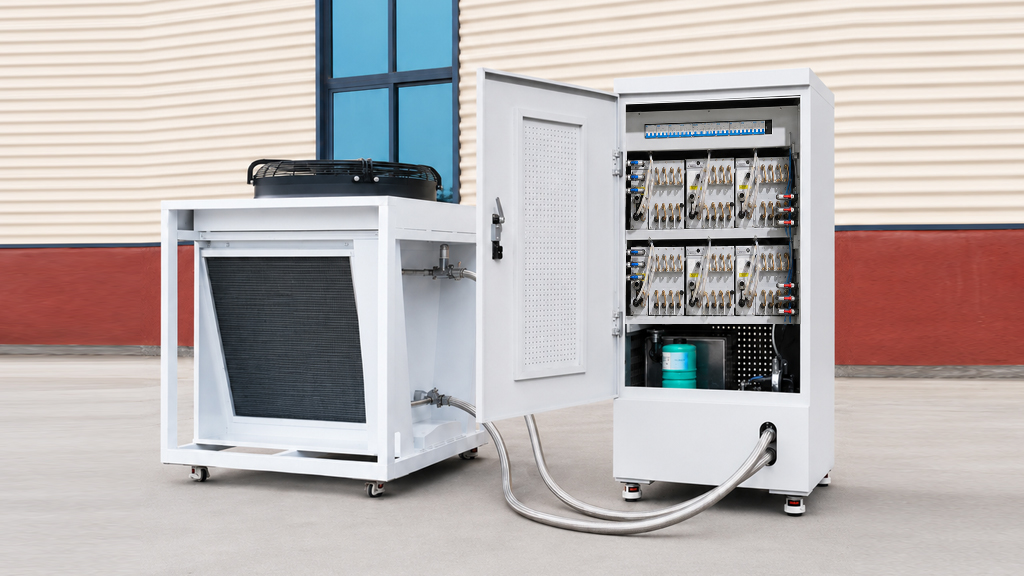
考えてみてください。100MWのビットコイン施設は、約120MWの冷却能力を消費します。同等のAIクラスターは約380MWを消費します。このギャップは、ASICをH100に置き換えることで解決できるものではなく、熱スタックを再設計することで解決できます。大手マイナー(Core Scientific、Marathonなど)は現在、同じ施設内に液浸冷却式のGPUラックと空冷式のASICを並べて設置し、変圧器、開閉装置、グリッド相互接続を共有しています。
その結果は?設備投資効率は、AI対応の既存設備改修では1MWあたり120万ドルに対し、新規のAIデータセンター建設では1MWあたり470万ドル(マッキンゼー・エネルギー・インフラストラクチャー・レポート、2026年4月)。そして重要な点は、AIワークロードが24時間365日のベースロード需要を提供し、これまでビットコイン価格の変動に左右されやすかった電力網契約を安定させることである。
4. 効率は二択:8 J/TH未満または終了
10 J/THという閾値はもはや存在しない。2026年第1四半期には、 BitmainとMicroBTの次世代3nm ASICの登場により、ネットワーク加重平均効率は7.4 J/THに達した。
これは運用上何を意味するのでしょうか?
- 24ヶ月以上経過した機器(15 J/TH以上)は、電気料金が0.022ドル/kWh以下でない限り、投資収益率がマイナスになります。この基準を満たす米国の産業用電気料金は12%未満です。
- 新しい展開には リアルタイム効率ベンチマーク大手事業者は現在、ラックごと、時間ごとのkWh/THを追跡し、性能の低いユニットの自動停止プロトコルにデータを供給している。
これは漸進的な改善ではなく、根本的なリセットです。2026年には、ASICのリタイアメント・アズ・ア・サービス(ASIC廃止サービス)の第一波が到来します。これは、旧式のシステムが廃止され、エッジAI推論用に改修されるか、あるいはレアアース金属のリサイクルに利用されるというものです。
5.国家による鉱業は戦略的であり、投機的なものではない
トルクメニスタンの仮想資産法(2026年1月施行)は、マイナーへのライセンス付与を目的としたものではありません。その目的は、活用されていない資産を収益化することでした。同国の電力網は年間2.1テラワット時(TWh)の水力発電を抑制しており、これは現在の難易度で年間1万4000BTCをマイニングするのに十分な量です。
しかし、より大きなトレンドは準備戦略です。ブータンは現在12,800BTC(16億4,000万ドル相当)を保有しており、これは2019年以降、国内マイニングのみで蓄積されたものです。エルサルバドルは2026年5月の「火山債」の借り換えで、地熱を利用したマイニング拡大に5億ドルを割り当てました。これは仮想通貨の理想主義ではありません。国家のバランスシート最適化です。ビットコインは、従来の外貨準備金と比較して、より高い利回り、カウンターパーティリスクゼロ、即時流動性を提供します。
6.クラウドハッシュレートは成熟しつつあるが、断片化は依然として残っている
個人投資家の参加は急増しており、前年比63%増(CoinGeckoデータ、2026年第1四半期)となっているが、ビジネスモデルは進化している。不透明な「生涯契約」は姿を消し、主要プラットフォーム(NiceHash Pro、HashVaultなど)は現在、以下のサービスを提供している。
- SLA保証付きハッシュレート稼働率99.2%を保証し、ダウンタイムが発生した場合は自動的にBTCで補償します。
- ダイナミックプライシングビットコイン価格、ネットワーク難易度、プール手数料の変動に連動したリアルタイムのハッシュレート価格設定。
- RWA トークン化: 監査済みの物理インフラストラクチャによって裏付けられたハッシュレート契約(Chainlink Oracleによるオンチェーン検証)。
しかし、依然として断片化は続いており、クラウドハッシュレートの41%は規制されていない海外企業を経由している。機関投資家は現在、ISO 27001認証と第三者機関によるインフラ監査を要求しているが、これを満たしているプロバイダーは現在わずか7社に過ぎない。
7. 金融化=リスク軽減であって、デリバティブ賭博ではない
鉱業は「高ベータ商品投資」というレッテルを脱ぎ捨てつつある。その理由は?
- ハッシュレート先渡契約現在、パブリックマイナーの収益の22%は、6~24ヶ月間の固定BTC/USDハッシュレート販売(例:Riot PlatformsとFidelityの2億1000万ドルの契約)によるものです。
- マイナーリース現在、ASICはエンタープライズサーバーのようにリースされており、メンテナンス、ファームウェアのアップデート、効率性保証が料金に含まれています。
- インフラストラクチャ担保トークン(IBT): 採掘施設のトークン化された株式(例:CleanSparkのテキサス拠点)は、規制された取引所で取引され、NAV(純資産価値)の報告と四半期ごとの監査が行われます。
これは憶測ではない。資本規律の問題だ。大手鉱業会社は現在、EBITDAに対する負債比率を1.8倍(2023年の3.4倍から低下)に抑えることを目標としており、財務ツールを活用して利益率を固定し、変動性を増幅させないようにしている。
結論:重要なのは機器ではなくインフラである
2026年のビットコインマイニングは、エネルギー転換、AIコンピューティングの希少性、そして国家デジタル資産戦略という3つの世界的なメガトレンドと融合しつつある。勝者となるのはハッシュレートが最も高い企業ではなく、マイニングインフラを国家戦略インフラとして捉える企業だろう。
 Bitmain アントマイナー
 アイスリバー
 ワッツマイナー
 カナン・アヴァロン
 ゴールドシェル
 ソロマイナー
 エルファペックス
 ボルクマイナー
 ジャスミナー
 松毬
松毬
 Bitcoin
 ドージコイン
 アレオ
アレオ
 カスパ
カスパ
 アルフ
アルフ
 Nexa
Nexa
 ETC
ETC
 CKB
CKB
 ダッシュ
ダッシュ
 嘉手納
嘉手納