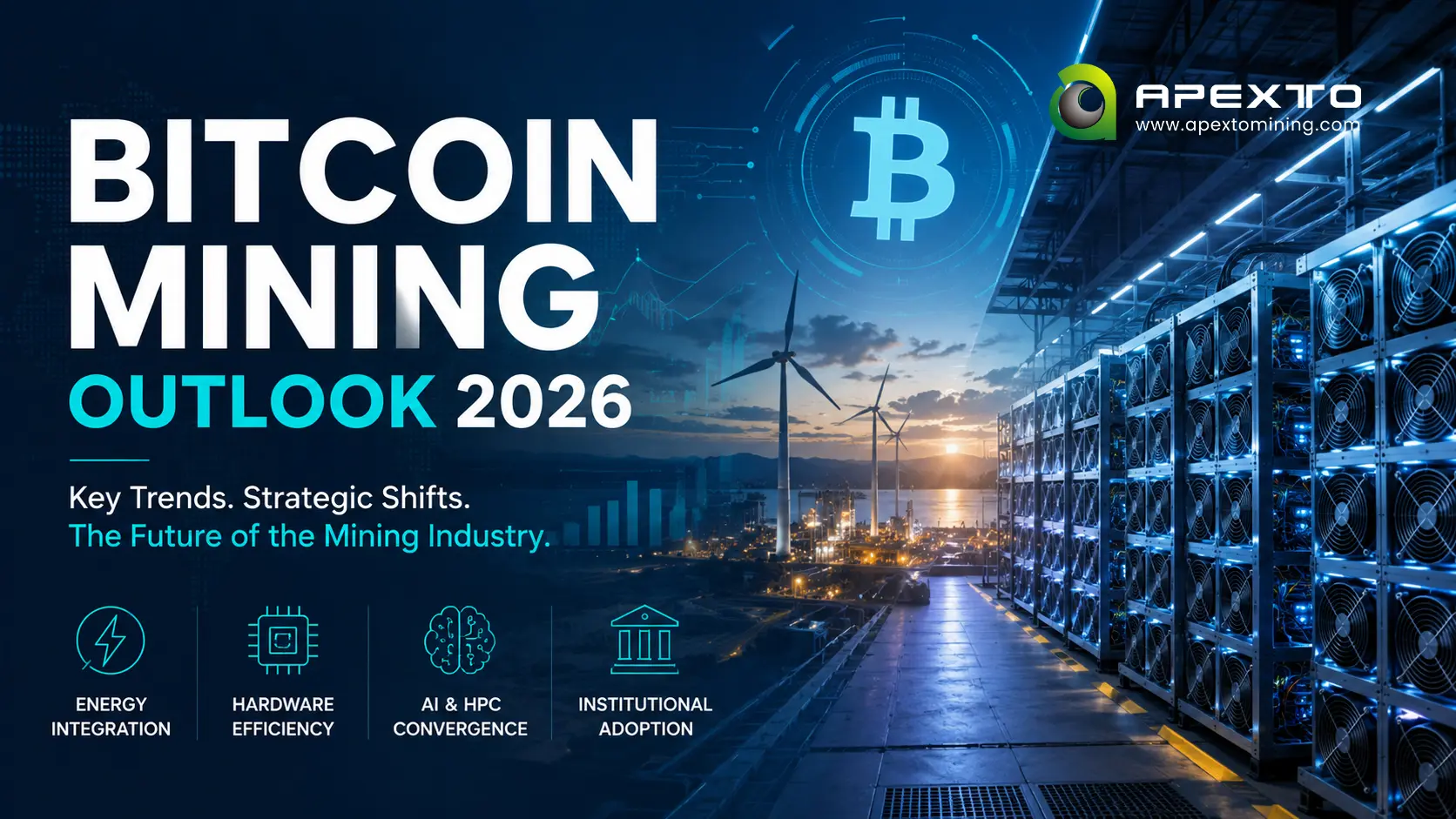
비트코인 채굴 산업은 단순히 성장하는 것을 넘어 구조적인 재정립을 겪고 있습니다. 2026년에는 해시레이트 경쟁만이 아닌, 에너지, 하드웨어, AI 인프라, 국가 정책, 금융 상품에 대한 전략적 영향력 확보 경쟁이 펼쳐질 것입니다 . 2026년 1분기 운영 데이터, 규제 당국 제출 자료, 자본 흐름을 분석하여 업계 선두 기업과 후발 기업을 가르는 7가지 필수 변화 요인을 파악했습니다.
1. 거시적인 순풍은 분명히 존재하지만, 모든 경우에 적용되는 것은 아닙니다.
연준이 2026년에 2~3차례 금리 인하를 단행할 것으로 예상됨에 따라( 그레이스케일 기준 확률 74% ) 기관 자금 유입이 가속화되고 있지만, 이는 규제가 비트코인 보관을 허용하는 경우에만 해당 됩니다. 최근 미국이 통과시켜 법으로 제정된(2026년 3월 1일 발효) CLARITY 법안은 비트코인의 법적 지위를 단순히 "명확히" 한 것이 아닙니다. 이 법안은 1분기에만 2.8억 달러 규모의 새로운 기관 채굴 자금 조달을 가능하게 했습니다( 블룸버그 인텔리전스 ). 현재 은행들은 4억 1천만 달러 이상의 비트코인 담보 대출을 보유하고 있으며, 이는 전년 대비 320% 증가한 수치입니다.
핵심 시사점: 규제 명확화는 이제 지리적 차익거래 기회를 제공합니다. 규제 체계를 준수하는 국가(미국, 스위스, 싱가포르, UAE)에서 운영되는 채굴업체는 연 4.2~5.8%의 금리로 자본을 조달할 수 있습니다. 반면 규제가 없는 관할 지역에서 운영하는 업체는 11~14%의 금리를 지불해야 하는데, 이는 5년의 인프라 수명 주기 동안 누적되는 600~900bp의 비용 불이익입니다.
2. 수직적 통합은 이제 목표가 아닌 필수 조건입니다.
2023년에는 수직적 통합이란 10년 전력구매계약(PPA) 체결을 의미했지만, 2026년에는 변전소 소유를 의미합니다.
최상위권 채굴업체들은 이제 전력 공급망의 65% 이상을 자체적으로 관리하고 있습니다. 42%는 발전 자산(풍력/태양광/배터리)을 소유하고, 28%는 가스 피크 발전소를 운영하며, 30%는 전력 회사와 협력하여 전력망 인프라를 공동 개발합니다. 특히, 전력망 통합 업체들은 전력망에 의존하는 업체들에 비해 균등화 발전비용(LCOE)이 37% 더 낮은 것으로 나타났습니다 (Apex Grid Analytics, 2026년 1분기).
하드웨어 통합이 그 뒤를 잇습니다. 현재 상위 10개 공개 채굴 업체 중 6곳이 자체적으로 ASIC 펌웨어를 설계하고 있습니다. 이는 단순히 칩을 제작하는 것이 아니라, 전력망 과부하 상황에서 해시보드 성능을 동적으로 조절하는 실시간 펌웨어 업데이트를 통해 가동 시간을 유지하고 부가 수익을 창출하는 데 중점을 두고 있습니다.
3. AI 개조는 다각화가 아니라 생존 인프라 구축이다.
"AI 전환"이라는 표현은 오해의 소지가 있습니다. 이는 채굴업자들이 GPU를 잠깐 사용하는 것이 아닙니다. 대규모 인프라 재활용을 의미합니다.
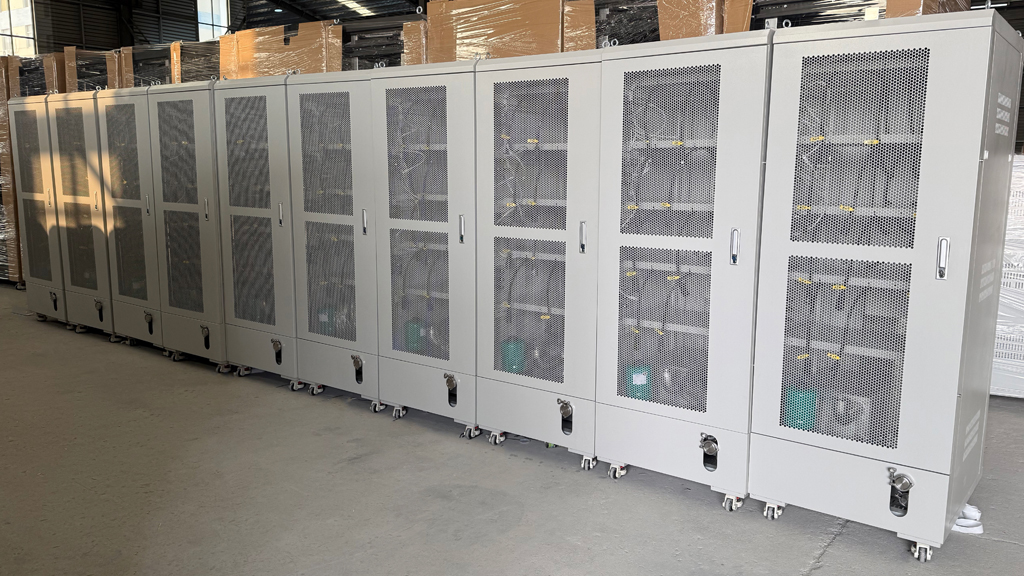
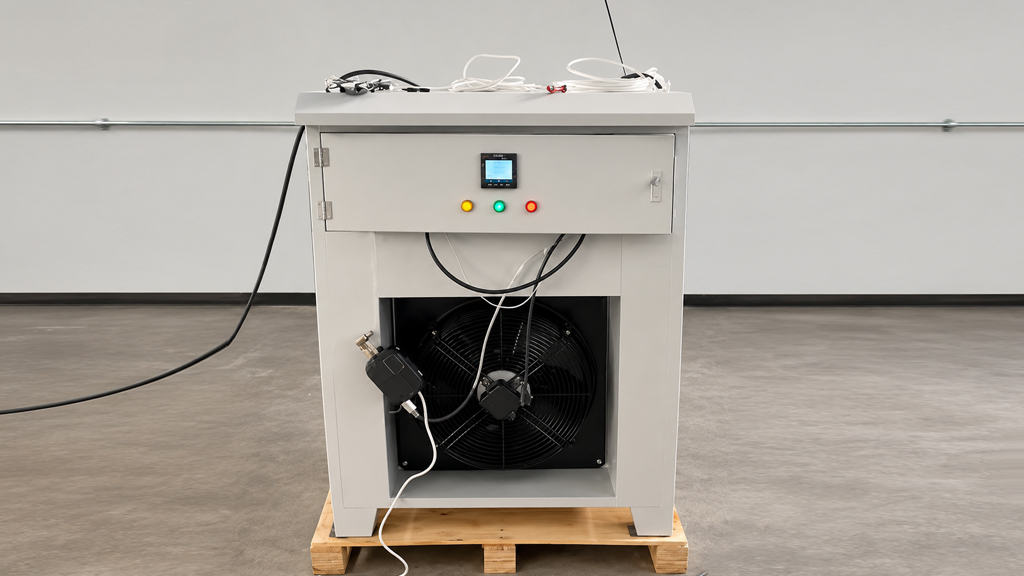
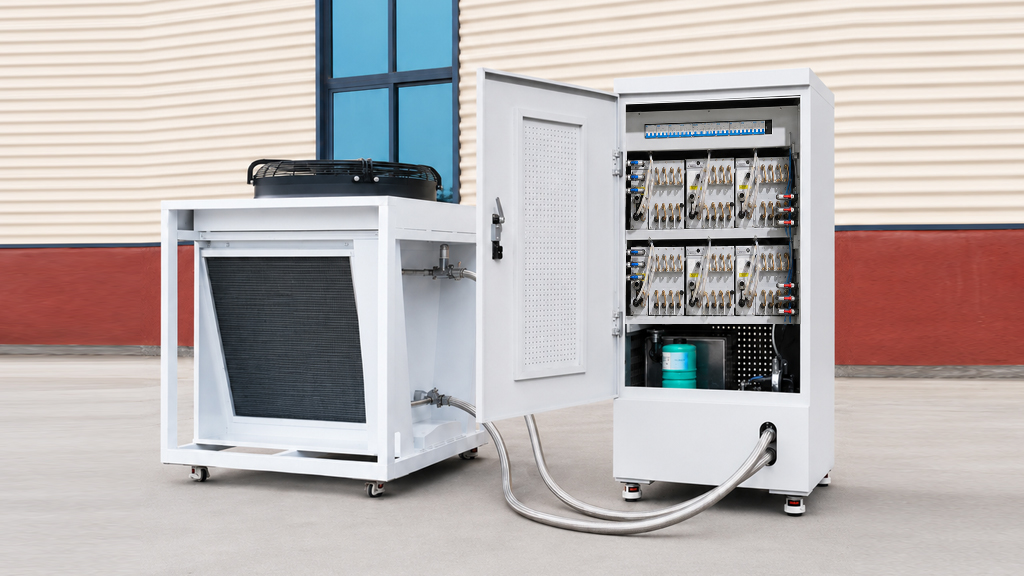
다음과 같은 점을 고려해 보세요. 100MW 규모의 비트코인 채굴 시설은 약 120MW의 냉각 용량을 소비합니다. 반면, 동일한 규모의 AI 클러스터는 약 380MW를 소비합니다. 이러한 차이는 ASIC을 H100으로 교체하는 것만으로는 해결되지 않습니다 . 열 관리 시스템을 재설계 해야 해결할 수 있습니다 . 코어 사이언티픽(Core Scientific), 마라톤(Marathon)과 같은 주요 채굴 업체들은 이제 동일한 시설 내에서 공랭식 ASIC 과 함께 수냉식 GPU 랙을 설치하여 변압기, 스위치 장치, 전력망 연결을 공유하고 있습니다.
결과적으로 자본 지출 효율성이 향상됩니다. AI 지원 설비 개조는 메가와트당 1.2만 달러인 반면, 신규 AI 데이터 센터 건설은 메가와트당 4.7만 달러가 소요됩니다(맥킨지 에너지 인프라 보고서, 2026년 7월). 그리고 무엇보다 중요한 것은 AI 워크로드가 24시간 내내 안정적인 기저부하 수요를 제공하여 비트코인 가격 변동성에 취약했던 전력망 계약을 안정화한다는 점입니다.
4. 효율성은 이진법입니다: 8 J/TH 미만 또는 종료
10 J/TH 임계값은 이제 사라졌습니다. 2026년 1분기에는 Bitmain과 MicroBT의 차세대 3nm ASIC 덕분에 네트워크 가중 평균 효율이 7.4 J/TH를 기록했습니다.
이것이 실질적으로 어떤 의미를 갖는가?
- 24개월 이상 된 장비(≥15 J/TH)는 전기 요금이 kWh당 0.022달러 이하인 경우를 제외하고는 투자 수익률(ROI)이 마이너스가 되는데, 이 기준을 충족하는 미국 산업용 전기 요금은 전체 요금의 12% 미만입니다.
- 새로운 배포에는 다음이 필요합니다. 실시간 효율성 벤치마킹주요 통신 사업자들은 이제 랙별, 시간별 kWh/TH 생산량을 추적하여 성능이 저조한 장치를 자동으로 차단하는 프로토콜에 데이터를 제공합니다.
이것은 점진적인 개선이 아닙니다. 완전히 새로운 시작입니다. 2026년에는 ASIC 장비의 서비스형 폐기(retirement-as-a-service )라는 첫 번째 물결이 일어날 것입니다. 기존 장비들은 폐기되거나, 엣지 AI 추론용으로 재정비되거나, 희토류 금속 추출에 재활용될 것입니다.
5. 국영 채굴은 투기적인 것이 아니라 전략적인 것이다.
투르크메니스탄의 가상자산법(2026년 1월)은 채굴업자에게 라이선스를 부여하는 것에 관한 것이 아니었습니다. 이는 활용되지 않는 자산을 수익화하기 위한 것이었습니다 . 투르크메니스탄의 국가 전력망은 연간 2.1TWh의 수력 발전을 제한하는데, 이는 현재 채굴 난이도 기준으로 연간 14,000 BTC를 채굴할 수 있는 양입니다.
하지만 더 큰 추세는 외환보유고 전략입니다. 부탄은 현재 12,800 BTC(16억 4천만 달러 상당)를 보유하고 있는데, 이는 2019년 이후 국내 채굴만으로 축적된 것입니다. 엘살바도르는 2026년 5월 '화산 채권' 재융자를 통해 5억 달러를 지열 에너지 채굴 확장에 할당했습니다. 이는 단순한 암호화폐 이상주의가 아닙니다. 국가 재정 건전성을 최적화하는 전략입니다. 비트코인은 기존 외환보유고에 비해 높은 수익률, 거래상대방 위험 제로, 즉각적인 유동성을 제공합니다.
6. 클라우드 해시레이트는 성숙 단계에 접어들었지만, 단편화 문제는 여전히 남아 있습니다.
개인 투자자 참여가 급증하고 있습니다. 전년 대비 63% 증가(CoinGecko 데이터, 2026년 1분기)했지만, 모델은 진화하고 있습니다. 불투명했던 "평생 계약"은 이제 사라졌습니다. 주요 플랫폼(예: NiceHash Pro, HashVault)은 다음과 같은 서비스를 제공합니다.
- SLA 기반 해시레이트99.2% 가동 시간 보장, 시스템 다운 시 자동 BTC 보상 지급.
- 동적 가격비트코인 가격, 네트워크 난이도 및 풀 수수료 변동에 연동된 실시간 해시레이트 가격 책정.
- RWA 토큰화: 검증된 물리적 인프라를 기반으로 하는 해시레이트 계약(체인링크 오라클을 통한 온체인 검증).
하지만 여전히 파편화 현상이 지속되고 있습니다. 클라우드 해시레이트 볼륨의 41%가 규제받지 않는 해외 업체를 통해 흐르고 있습니다. 기관 투자자들은 이제 ISO 27001 인증과 제3자 인프라 감사를 요구하고 있는데, 현재 이러한 기준을 충족하는 업체는 단 7곳에 불과합니다.
7. 금융화 = 위험 완화, 파생상품 투기가 아님
광업이 "변동성이 높은 원자재 투자"라는 꼬리표를 떼어내고 있습니다. 어떻게 그럴 수 있을까요?
- 해시레이트 포워드 계약현재 공개 채굴업체 수익의 22%는 6~24개월 고정 BTC/USD 해시레이트 판매에서 발생합니다(예: 라이엇 플랫폼이 피델리티와 체결한 2억 1천만 달러 계약).
- 광부 임대이제 ASIC는 기업용 서버처럼 임대 방식으로 제공되며, 유지 보수, 펌웨어 업데이트 및 효율성 보장이 포함됩니다.
- 인프라 기반 토큰(IBT)채굴 시설(예: 클린스파크의 텍사스 사업장)의 토큰화된 주식은 순자산가치(NAV) 보고 및 분기별 감사를 받는 규제된 거래소에서 거래됩니다.
이는 추측이 아닙니다. 자본 운용 의 핵심입니다 . 주요 광산 기업들은 재무적 도구를 활용하여 마진을 확보하고 변동성을 증폭시키지 않으면서, 2023년 3.4배에서 1.8배로 부채 대 EBITDA 비율을 낮추는 것을 목표로 하고 있습니다.
결론: 도구가 아닌 인프라가 중요하다
2026년 비트코인 채굴은 에너지 전환, AI 컴퓨팅 자원 부족, 국가 차원의 디지털 자산 전략이라는 세 가지 글로벌 메가트렌드와 맞물려 발전할 것입니다. 승자는 해시레이트가 가장 높은 기업이 아니라, 채굴 인프라를 국가 전략 인프라 로 여기는 기업이 될 것입니다.
 비트메인 앤트마이너
 아이스리버
아이스리버
 왓츠마이너
왓츠마이너
 가나안 아발론
 금껍질
금껍질
 솔로 마이너
 엘파펙스
엘파펙스
 볼크마이너
볼크마이너
 재스민
재스민
 솔방울
솔방울
 비트코인
비트코인
 도지코인
도지코인
 알 레오
알 레오
 카스파
카스파
 알파
알파
 Nexa
Nexa
 ETC
ETC
 CKB
CKB
 대시
대시
 카데나
카데나