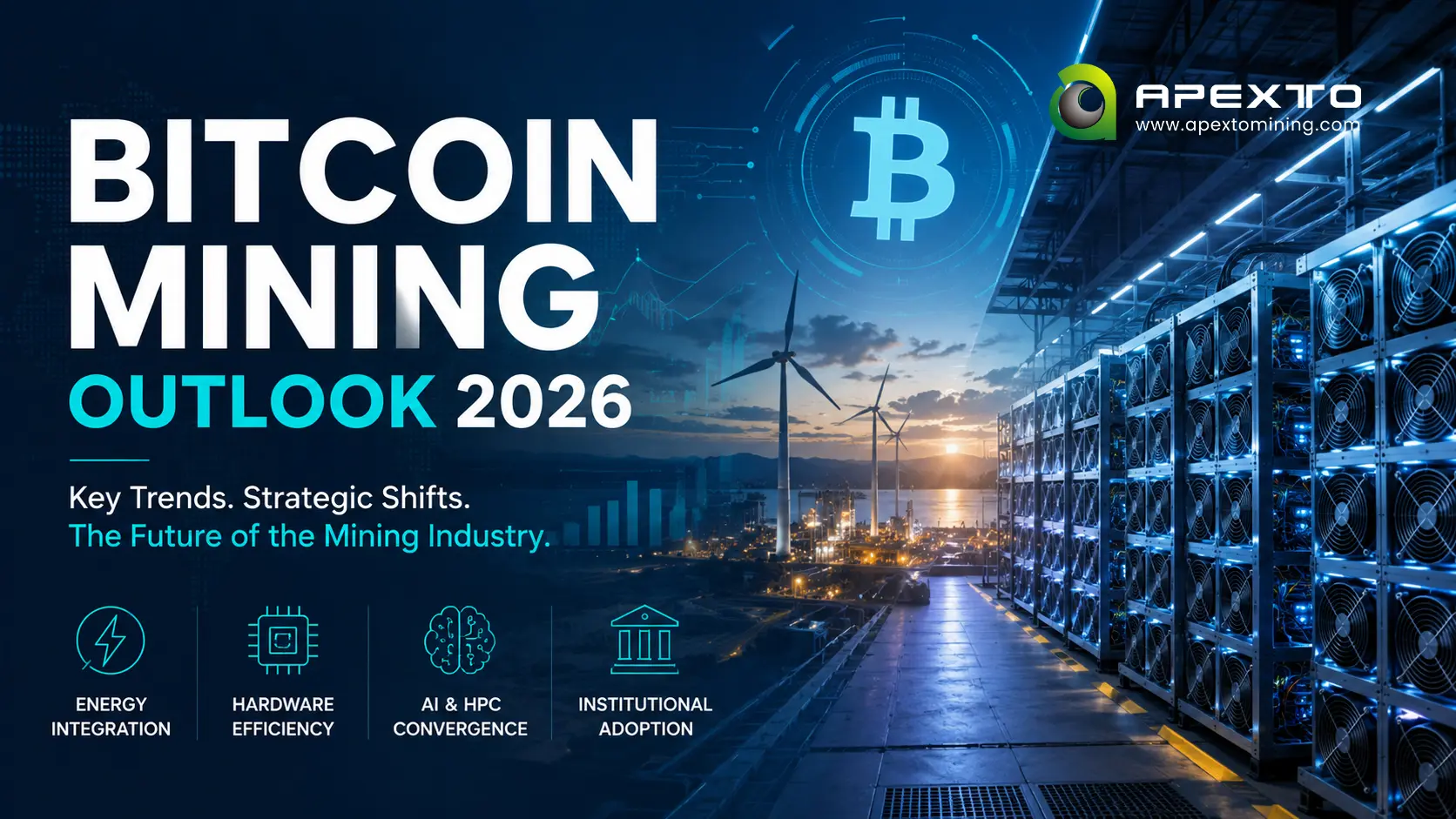
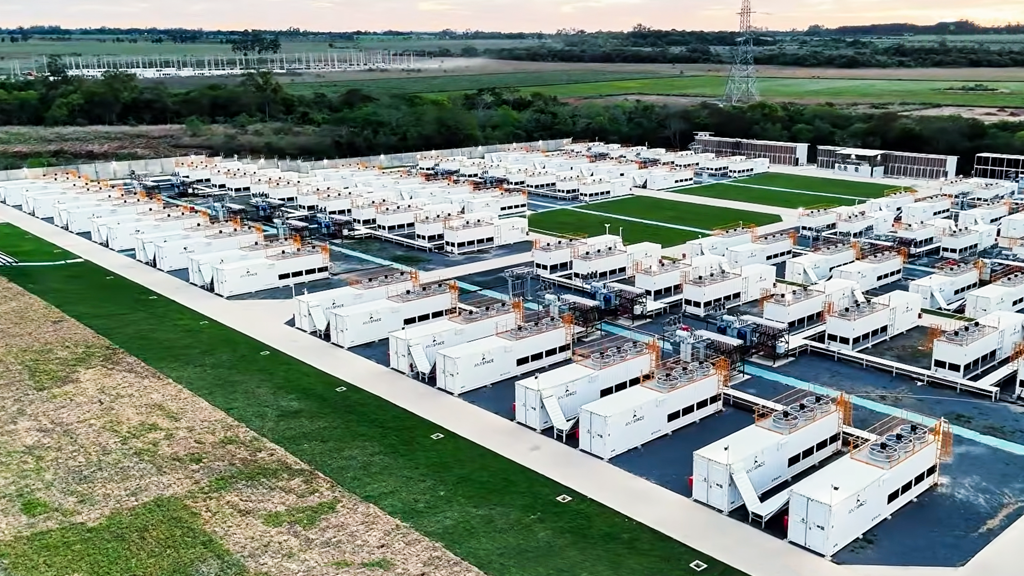
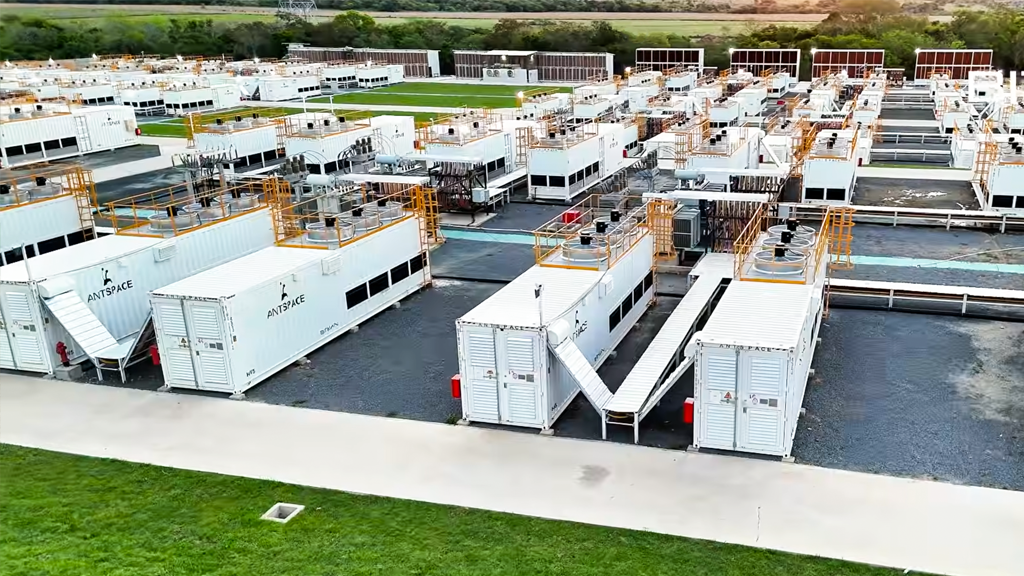
De Bitcoin-mijnbouwsector groeit niet alleen, maar ondergaat ook een structurele herdefinitie. In 2026 draait de race niet alleen om hashrate. Het gaat om strategische invloed : controle over energie, hardware, AI-infrastructuur, overheidsbeleid en financiële instrumenten. Op basis van operationele gegevens uit het eerste kwartaal van 2026, wettelijke documenten en kapitaalstromen identificeren we zeven ononderhandelbare verschuivingen die de koplopers van de achterblijvers onderscheiden.
1. Macro-economische meewind is reëel, maar niet universeel.
De door de Fed voorspelde 2-3 renteverlagingen in 2026 (74% kans, volgens Grayscale ) versnellen de instroom van institutioneel kapitaal, maar alleen waar regelgeving bewaring mogelijk maakt . De Amerikaanse CLARITY Act, die nu is aangenomen en van kracht is sinds 1 maart 2026, heeft de status van Bitcoin niet alleen "verduidelijkt". Alleen al in het eerste kwartaal werd er $2.8 miljard aan nieuwe institutionele financiering voor Bitcoin-mining vrijgemaakt ( Bloomberg Intelligence ). Banken hebben nu meer dan $410 miljoen aan leningen met Bitcoin als onderpand, een stijging van 320% op jaarbasis.
Belangrijkste implicatie: Duidelijkheid over de regelgeving is nu een geografische arbitragekans . Mijnbouwbedrijven die opereren binnen conforme kaders (VS, Zwitserland, Singapore, VAE) krijgen toegang tot kapitaal tegen een jaarlijkse rente van 4.2–5.8%. Bedrijven in niet-gereguleerde jurisdicties betalen 11–14% – een kostenachterstand van 600–900 basispunten die zich opstapelt over een infrastructuurlevenscyclus van 5 jaar.
2. Verticale integratie is nu een basisvereiste, geen ambitie meer.
In 2023 betekende verticale integratie het tekenen van een stroomafnameovereenkomst (PPA) voor 10 jaar. In 2026 betekent het het bezitten van het onderstation.
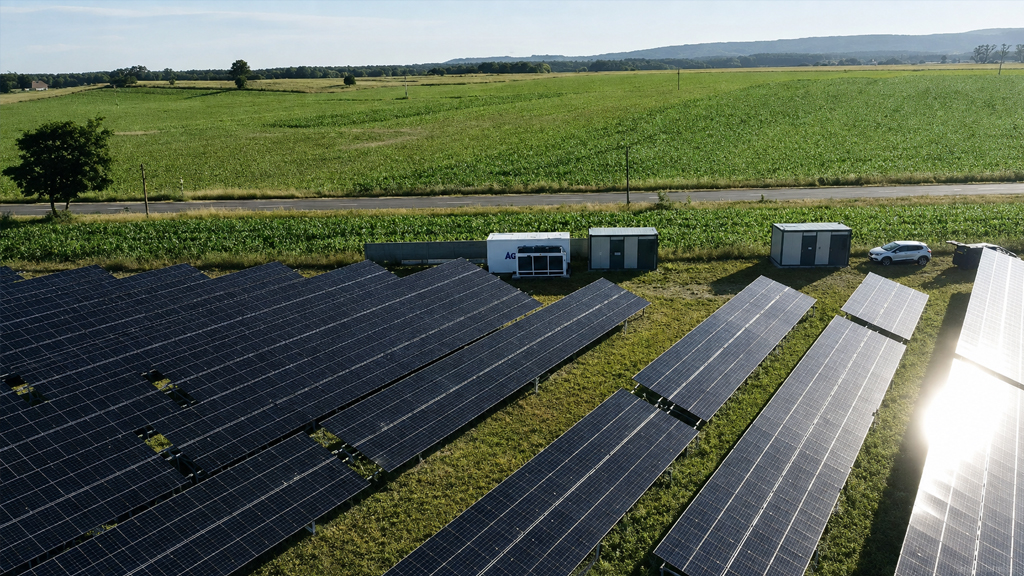
Toonaangevende mijnbouwbedrijven beheersen nu ≥65% van hun energievoorzieningsketen: 42% bezit eigen energieopwekkingsinstallaties (wind/zonne-energie/batterijen), 28% exploiteert gasgestookte piekcentrales en 30% ontwikkelt de netinfrastructuur samen met nutsbedrijven. Cruciaal is dat geïntegreerde spelers 37% lagere LCOE (Levelized Cost of Energy) rapporteren dan hun concurrenten die afhankelijk zijn van het net (Apex Grid Analytics, Q1 2026).
Hardware-integratie volgt: 6 van de 10 grootste beursgenoteerde miners ontwerpen nu hun ASIC-firmware in eigen huis. Het gaat hierbij niet om het bouwen van chips, maar om realtime firmware-updates die de hashboards dynamisch afremmen tijdens periodes van hoge netwerkbelasting, waardoor de uptime behouden blijft en er extra inkomsten worden gegenereerd.
3. AI-retrofit is geen diversificatie, maar infrastructuur voor overleving.
Het verhaal van de "AI-verschuiving" is misleidend. Het gaat hier niet om miners die experimenteren met GPU's. Het gaat om grootschalige herbestemming van infrastructuur.
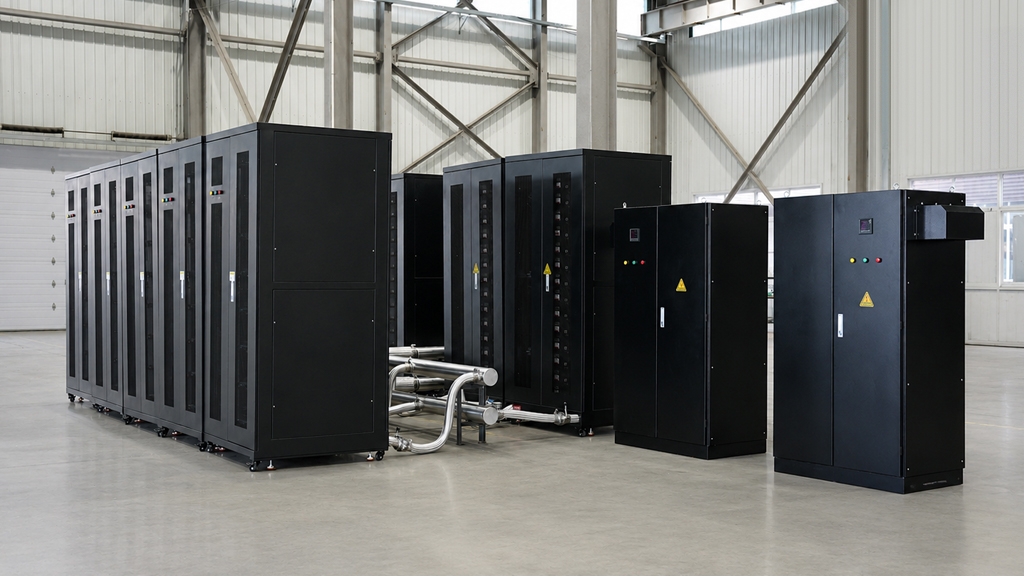
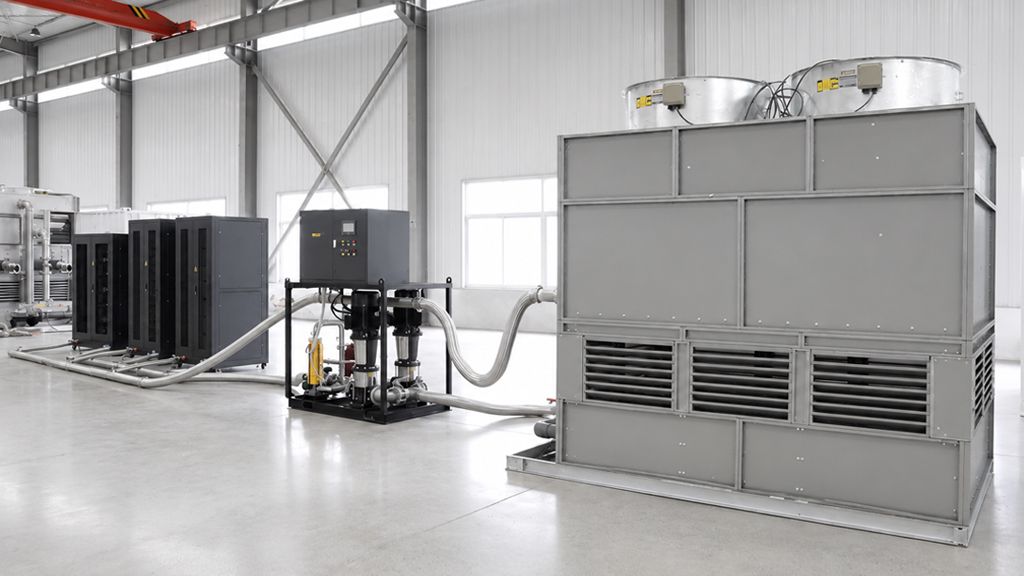
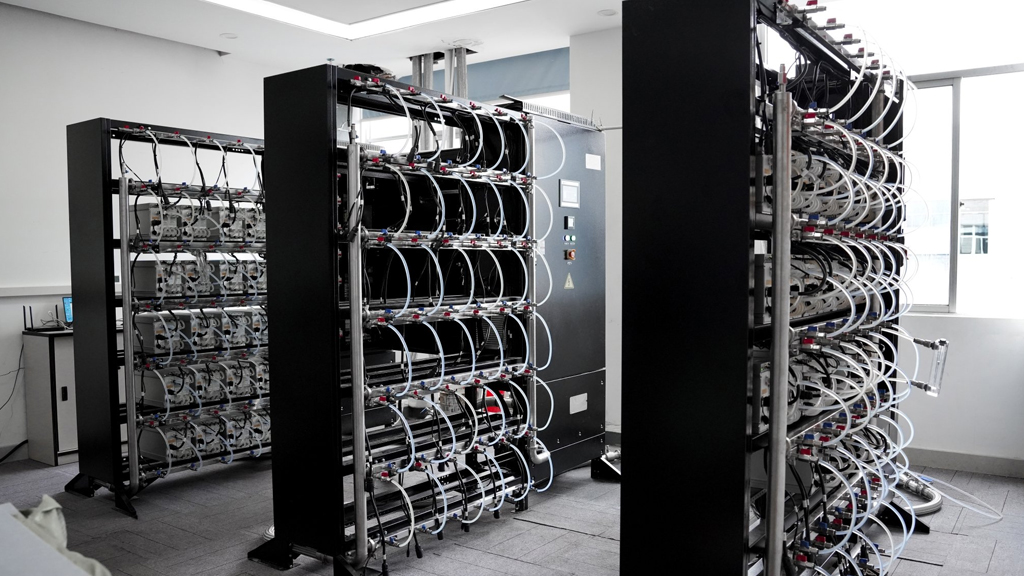
Denk hier eens over na: een Bitcoin-faciliteit van 100 MW verbruikt ongeveer 120 MW aan koelcapaciteit. Een vergelijkbaar AI-cluster verbruikt ongeveer 380 MW. Het verschil wordt niet opgelost door ASIC's te vervangen door H100's, maar door de koelstructuur opnieuw te ontwerpen . Toonaangevende miners (zoals Core Scientific en Marathon) gebruiken nu GPU-racks met immersiekoeling naast luchtgekoelde ASIC's in dezelfde faciliteit – waarbij ze transformatoren, schakelapparatuur en netwerkverbindingen delen.
Het resultaat? Efficiëntie van de investeringskosten: $1.2 miljoen/MW voor AI-geschikte renovaties versus $4.7 miljoen/MW voor volledig nieuwe AI-datacenters (McKinsey Energy Infrastructure Report, april 2026). En cruciaal: AI-workloads zorgen voor 24/7 basislastvraag, waardoor netcontracten worden gestabiliseerd die voorheen kwetsbaar waren voor de volatiliteit van de Bitcoin-prijs.
4. Efficiëntie is binair: <8 J/TH of stoppen
De drempel van 10 J/TH is achterhaald. In het eerste kwartaal van 2026 bereikte de netwerkgewogen gemiddelde efficiëntie 7.4 J/TH , dankzij de volgende generatie 3nm ASIC's van Bitmain en MicroBT.
Wat betekent dit operationeel?
- Apparatuur ouder dan 24 maanden (≥15 J/TH) heeft een negatief rendement op investering (ROI), tenzij de elektriciteitskosten ≤ $0.022/kWh zijn – een drempel die door minder dan 12% van de Amerikaanse industriële tarieven wordt gehaald.
- Nieuwe implementaties vereisen realtime efficiëntiebenchmarkingToonaangevende exploitanten registreren nu het kWh/TH-verbruik per rack per uur en gebruiken deze gegevens voor geautomatiseerde uitschakelprotocollen voor slecht presterende units.
Dit is geen stapsgewijze verbetering. Het is een complete reset. In 2026 vindt de eerste golf van ASIC-retirment-as-a-service plaats — waarbij verouderde systemen worden ontmanteld, gereviseerd voor edge-AI-inferentie of gerecycled voor zeldzame aardmetalen.
5. Mijnbouw in handen van de overheid is strategisch, niet speculatief.
De wet op virtuele activa van Turkmenistan (januari 2026) ging niet over het verlenen van vergunningen aan miners. Het ging erom ongebruikte activa te gelde te maken . Het nationale elektriciteitsnet beperkt de productie van 2.1 TWh waterkracht per jaar – genoeg om jaarlijks 14,000 BTC te minen met de huidige moeilijkheidsgraad.
Maar de grotere trend is de reservestrategie. Bhutan bezit nu 12,800 BTC (ter waarde van $ 1.64 miljard) – uitsluitend verzameld via binnenlandse mijnbouw sinds 2019. De herfinanciering van El Salvador met de "Volcano Bonds" in mei 2026 reserveerde $ 500 miljoen specifiek voor de uitbreiding van geothermische mijnbouw. Dit is geen crypto-idealisme. Het is optimalisatie van de staatsbalans : Bitcoin biedt een hoger rendement, geen tegenpartijrisico en directe liquiditeit in vergelijking met traditionele valutareserves.
6. De hashrate in de cloud wordt steeds beter, maar fragmentatie blijft bestaan.
De deelname van particuliere beleggers neemt sterk toe — met 63% op jaarbasis (CoinGecko-gegevens, Q1 2026) — maar het model evolueert. De ondoorzichtige "levenslange contracten" behoren tot het verleden. Toonaangevende platforms (zoals NiceHash Pro en HashVault) bieden nu het volgende:
- SLA-ondersteunde hashrate: 99.2% uptime-garantie, met automatische BTC-compensatie bij uitval.
- Dynamisch prijzen: Realtime prijsbepaling van de hashrate, gekoppeld aan de Bitcoin-prijs, de netwerkmoeilijkheid en de variatie in poolkosten.
- RWA-tokenisatie: Hashrate-contracten ondersteund door gecontroleerde fysieke infrastructuur (on-chain verificatie via Chainlink Oracles).
Desondanks blijft fragmentatie bestaan: 41% van het cloud-hashratevolume loopt via niet-gereguleerde offshore-entiteiten. Institutionele kopers eisen nu ISO 27001-certificering en audits van de infrastructuur door derden – een eis waaraan momenteel slechts 7 aanbieders voldoen.
7. Financialisering = Risicovermindering, geen gokken met derivaten
De mijnbouwsector is bezig het imago van "grondstoffenbelegging met een hoge bèta" van zich af te schudden. Hoe?
- Hashrate-termijncontracten22% van de inkomsten van openbare miners is nu afkomstig van de verkoop van hashrates met vaste BTC/USD-tarieven gedurende 6-24 maanden (bijvoorbeeld het contract van Riot Platforms met Fidelity ter waarde van $210 miljoen).
- MijnbouwleasingASIC's worden nu net als bedrijfsservers geleased, inclusief onderhoud, firmware-updates en efficiëntiegaranties.
- Infrastructuur-gedekte tokens (IBT's)Getokeniseerde aandelen van mijnbouwfaciliteiten (bijvoorbeeld de vestiging van CleanSpark in Texas) worden verhandeld op gereguleerde beurzen met rapportage van de netto-activa waarde (NAV) en kwartaalcontroles.
Dit is geen speculatie. Het is kapitaaldiscipline . De grootste mijnbouwbedrijven streven nu naar een schuld/EBITDA-ratio van 1.8x – een daling ten opzichte van 3.4x in 2023 – en gebruiken financiële instrumenten om marges vast te leggen in plaats van de volatiliteit te vergroten.
De kern van de zaak: Infrastructuur, niet instrumenten.
Bitcoin-mining in 2026 komt samen met drie wereldwijde megatrends: de energietransitie, de schaarste aan AI-rekenkracht en de strategie van overheden voor digitale activa. De winnaars zullen niet degenen zijn met de hoogste hashrate, maar degenen die de mininginfrastructuur beschouwen als strategische nationale infrastructuur.
 Bitmain Antminer
 IJsRiver
 Whatsmijner
 Kanaän Avalon
 Goudschelp
 Solo-mijnwerker
 Elphapex
 Volcminer
 jasmijn
 pinecone
 Bitcoin
 dogecoin
 aleo
aleo
 Casp
Casp
 ALP
ALP
 Nexa
Nexa
 ETC
ETC
 CKB
CKB
 Dash
Dash
 Kadena