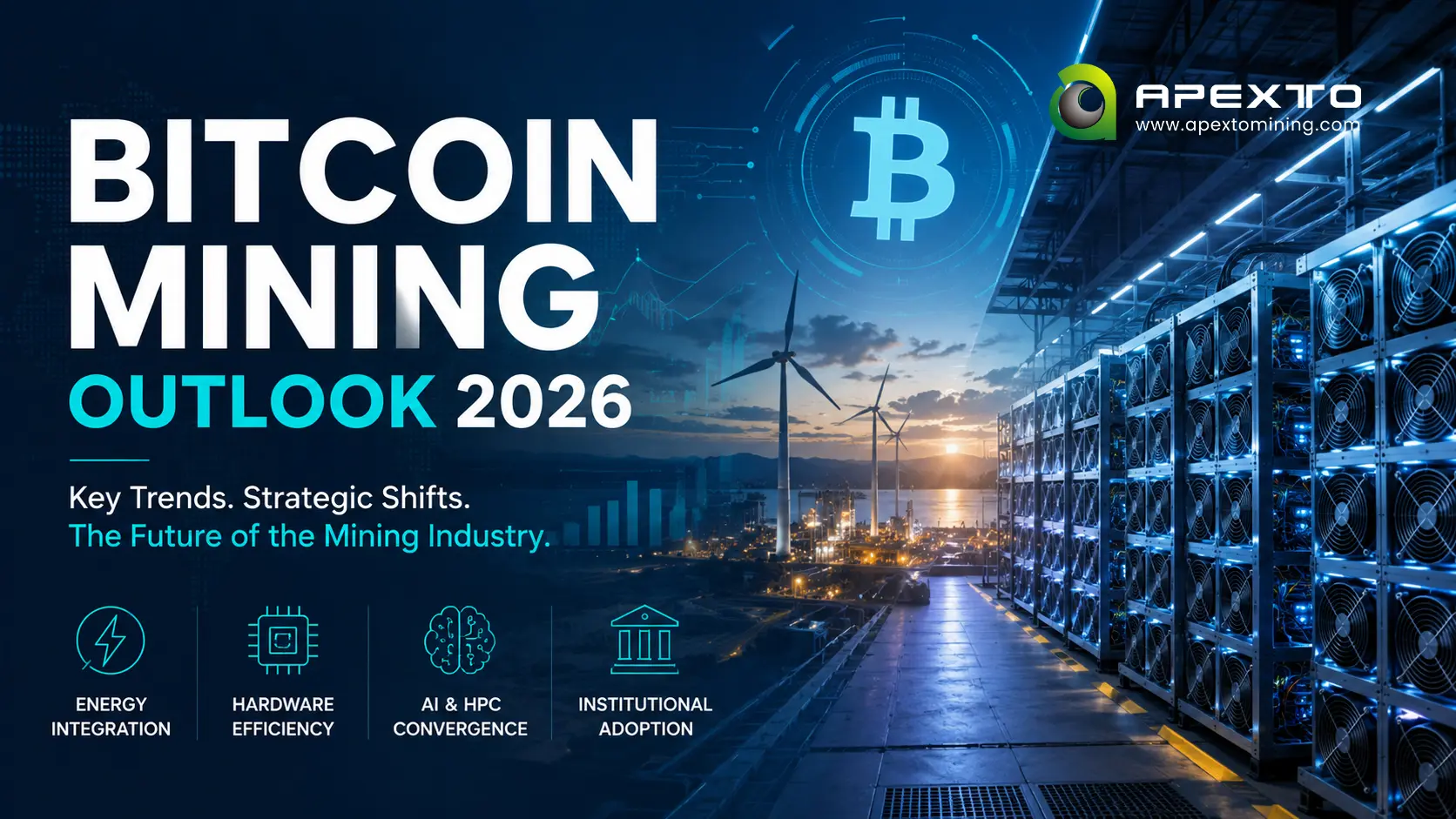
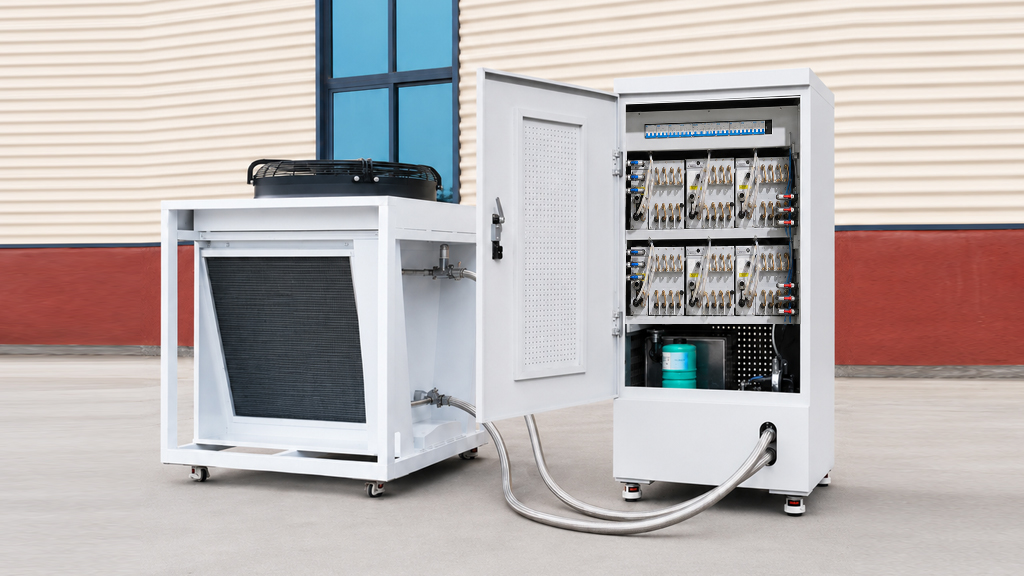
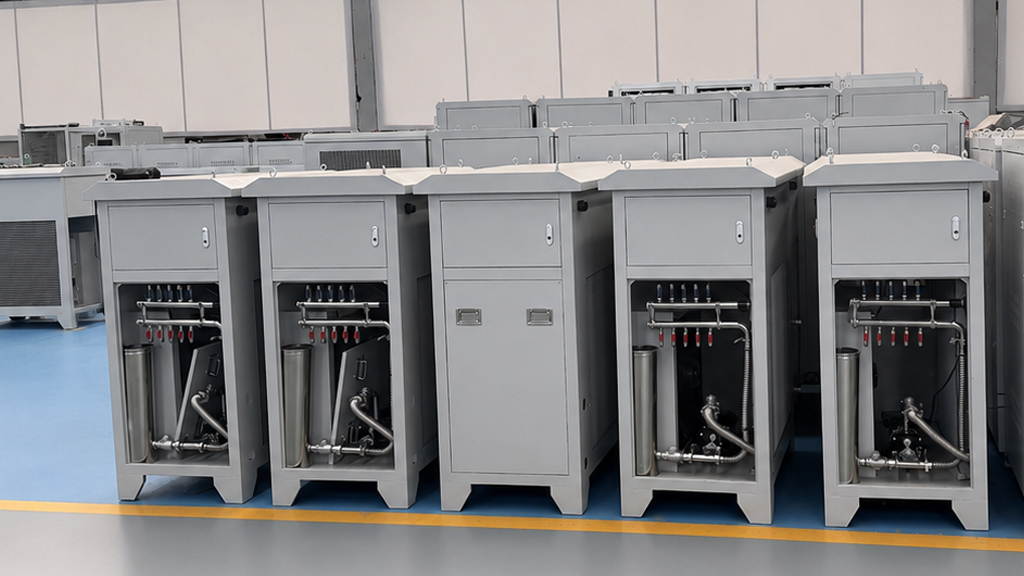
La industria de la minería de Bitcoin no solo está creciendo, sino que está experimentando una redefinición estructural. En 2026, la carrera no se centra únicamente en la tasa de hash, sino en el control estratégico : energía, hardware, infraestructura de IA, políticas soberanas e instrumentos financieros. Basándonos en datos operativos del primer trimestre de 2026, informes regulatorios y flujos de capital, identificamos siete cambios imprescindibles que distinguen a los líderes de los rezagados.
1. Los vientos favorables a nivel macro son reales, pero no universales.
Las proyecciones de la Reserva Federal de 2 a 3 recortes de tasas en 2026 (74% de probabilidad, según Grayscale ) están acelerando las entradas institucionales, pero solo donde la regulación permite la custodia . La Ley CLARITY de EE. UU., ahora aprobada y promulgada (vigente a partir del 1 de marzo de 2026), no solo "aclaró" el estatus de Bitcoin, sino que desbloqueó 2800 millones de dólares en nueva financiación institucional para la minería solo en el primer trimestre ( Bloomberg Intelligence ). Los bancos ahora poseen más de 410 millones de dólares en préstamos respaldados por Bitcoin, un aumento del 320% interanual.
Conclusión clave: La claridad regulatoria representa ahora una oportunidad de arbitraje geográfico . Las mineras que operan bajo marcos regulatorios (EE. UU., Suiza, Singapur, Emiratos Árabes Unidos) acceden a capital con una TAE del 4.2 % al 5.8 %. Aquellas en jurisdicciones no reguladas pagan entre un 11 % y un 14 %, lo que supone una desventaja de costes de entre 600 y 900 puntos básicos que se acumula a lo largo de los ciclos de vida de la infraestructura, que son de cinco años.
2. La integración vertical es ahora un requisito indispensable, no una aspiración.
En 2023, la integración vertical significó firmar un contrato de compraventa de energía a 10 años. En 2026, significa ser propietario de la subestación.
Las mineras líderes controlan ahora al menos el 65 % de su cadena de suministro eléctrico: el 42 % posee activos de generación (eólica, solar o baterías), el 28 % opera centrales de gas de respaldo y el 30 % participa en el desarrollo conjunto de infraestructura de red con empresas de servicios públicos. Es fundamental destacar que las empresas integradas registran un LCOE (costo nivelado de la energía) un 37 % menor que sus pares dependientes de la red (Apex Grid Analytics, primer trimestre de 2026).
A continuación, la integración del hardware: 6 de los 10 principales mineros públicos diseñan internamente el firmware de los ASIC. No se trata de fabricar chips, sino de actualizaciones de firmware en tiempo real que regulan dinámicamente el rendimiento de las plataformas de procesamiento durante eventos de estrés en la red, lo que garantiza la disponibilidad del sistema y genera ingresos adicionales.
3. La modernización con IA no es diversificación, es infraestructura de supervivencia.
La narrativa del “giro hacia la IA” es engañosa. No se trata de mineros experimentando con GPU. Se trata de una reutilización de infraestructura a gran escala.
Consideremos lo siguiente: una instalación de Bitcoin de 100 MW consume aproximadamente 120 MW de capacidad de refrigeración. Un clúster de IA equivalente consume aproximadamente 380 MW. Esta diferencia no se soluciona cambiando los ASIC por H100, sino rediseñando el sistema térmico . Los principales mineros (por ejemplo, Core Scientific, Marathon) ahora implementan racks de GPU con refrigeración por inmersión junto con ASIC con refrigeración por aire en la misma instalación, compartiendo transformadores, aparamenta y conexiones a la red eléctrica.
¿Resultado? Eficiencia en la inversión de capital: 1.2 millones de dólares/MW para modernizaciones preparadas para IA frente a 4.7 millones de dólares/MW para centros de datos de IA de nueva construcción (Informe de McKinsey sobre infraestructura energética, abril de 2026). Y, lo que es crucial: las cargas de trabajo de IA proporcionan una demanda base ininterrumpida, estabilizando los contratos de la red que antes eran vulnerables a la volatilidad del precio del Bitcoin.
4. La eficiencia es binaria: <8 J/TH o salida
El umbral de 10 J/TH ha quedado obsoleto. En el primer trimestre de 2026, la eficiencia promedio ponderada por la red alcanzó los 7.4 J/TH , impulsada por los ASIC de 3 nm de próxima generación de Bitmain y MicroBT.
¿Qué significa esto operativamente?
- Los equipos con más de 24 meses de antigüedad (≥15 J/TH) operan con un retorno de la inversión negativo a menos que el costo de la electricidad sea ≤ $0.022/kWh, un umbral que cumple <12% de las tarifas industriales de EE. UU.
- Los nuevos despliegues requieren evaluación comparativa de la eficiencia en tiempo realLos principales operadores ahora realizan un seguimiento del consumo de kWh/TH por rack y por hora, introduciendo datos en los protocolos de apagado automatizado para las unidades con bajo rendimiento.
Esto no es una mejora gradual. Es un reinicio completo. En 2026 se produce la primera oleada de retiro de ASIC como servicio , donde los equipos antiguos se desmantelan, se reacondicionan para la inferencia de IA en el borde o se reciclan para obtener metales de tierras raras.
5. La minería soberana es estratégica, no especulativa.
La Ley de Activos Virtuales de Turkmenistán (enero de 2026) no se trataba de otorgar licencias a los mineros, sino de monetizar activos varados . Su red eléctrica nacional reduce la producción hidroeléctrica en 2.1 TWh/año, suficiente para minar 14 000 BTC anualmente con la dificultad actual.
Pero la tendencia más importante es la estrategia de reservas. Bután ahora posee 12,800 BTC (valorados en 1.64 millones de dólares), acumulados exclusivamente mediante minería nacional desde 2019. La refinanciación de los «Bonos Volcán» de El Salvador en mayo de 2026 asignó 500 millones de dólares específicamente a la expansión de la minería geotérmica. Esto no es idealismo criptográfico, sino optimización del balance soberano : Bitcoin ofrece mayor rentabilidad, riesgo de contraparte nulo y liquidez instantánea en comparación con las reservas de divisas tradicionales.
6. La tasa de hash en la nube está madurando, pero la fragmentación persiste.
La participación minorista está aumentando vertiginosamente —un 63 % más interanual (datos de CoinGecko, primer trimestre de 2026)—, pero el modelo está evolucionando. Los opacos “contratos de por vida” han desaparecido. Las plataformas líderes (por ejemplo, NiceHash Pro, HashVault) ahora ofrecen:
- Tasa de hash respaldada por SLA: Garantía de disponibilidad del 99.2%, con compensación automática en BTC por tiempo de inactividad.
- Precio dinamico: Precios de hashrate en tiempo real vinculados al precio de Bitcoin, la dificultad de la red y la variación de las comisiones del pool.
- Tokenización de RWA: Contratos de tasa de hash respaldados por infraestructura física auditada (verificación en cadena a través de los oráculos de Chainlink).
Sin embargo, la fragmentación persiste: el 41 % del volumen de hashrate en la nube fluye a través de entidades offshore no reguladas. Los compradores institucionales ahora exigen la certificación ISO 27001 y auditorías de infraestructura de terceros, un requisito que actualmente solo cumplen 7 proveedores.
7. La financiarización equivale a reducir el riesgo, no a apostar con derivados.
La minería está dejando atrás su etiqueta de "apuesta por materias primas de alta volatilidad". ¿Cómo?
- Contratos a plazo de tasa de hashActualmente, el 22% de los ingresos de los mineros públicos proviene de ventas de hashrate fijo en BTC/USD a 6-24 meses (por ejemplo, el contrato de 210 millones de dólares de Riot Platforms con Fidelity).
- Arrendamiento mineroLos ASIC ahora se alquilan como servidores empresariales, con mantenimiento, actualizaciones de firmware y garantías de eficiencia incluidas.
- Tokens respaldados por infraestructura (IBT)Las participaciones tokenizadas de las instalaciones mineras (por ejemplo, la planta de CleanSpark en Texas) se negocian en bolsas reguladas con presentación de informes sobre el valor liquidativo y auditorías trimestrales.
Esto no es especulación. Es disciplina financiera . Las principales mineras ahora apuntan a una relación deuda/EBITDA de 1.8x —frente a 3.4x en 2023— utilizando herramientas financieras para asegurar los márgenes, no para amplificar la volatilidad.
En resumen: infraestructura, no instrumentos.
La minería de Bitcoin en 2026 converge con tres megatendencias globales: la transición energética, la escasez de capacidad de cómputo para IA y la estrategia de activos digitales soberanos. Los ganadores no serán quienes tengan la mayor tasa de hash, sino quienes consideren la infraestructura minera como infraestructura estratégica nacional.
 Bitmain Antminer
 HieloRío
 whatsminer
 Canaán Avalón
 Concha dorada
 Minero en solitario
 Elphapex
 volcminer
 jazmín
 Pinecone
 Bitcoin
 dogecoin
 aleo
aleo
 Caspa
Caspa
 ALFA
ALFA
 Nexa
Nexa
 ETC
ETC
 CKB
CKB
 Dash
Dash
 Kadena